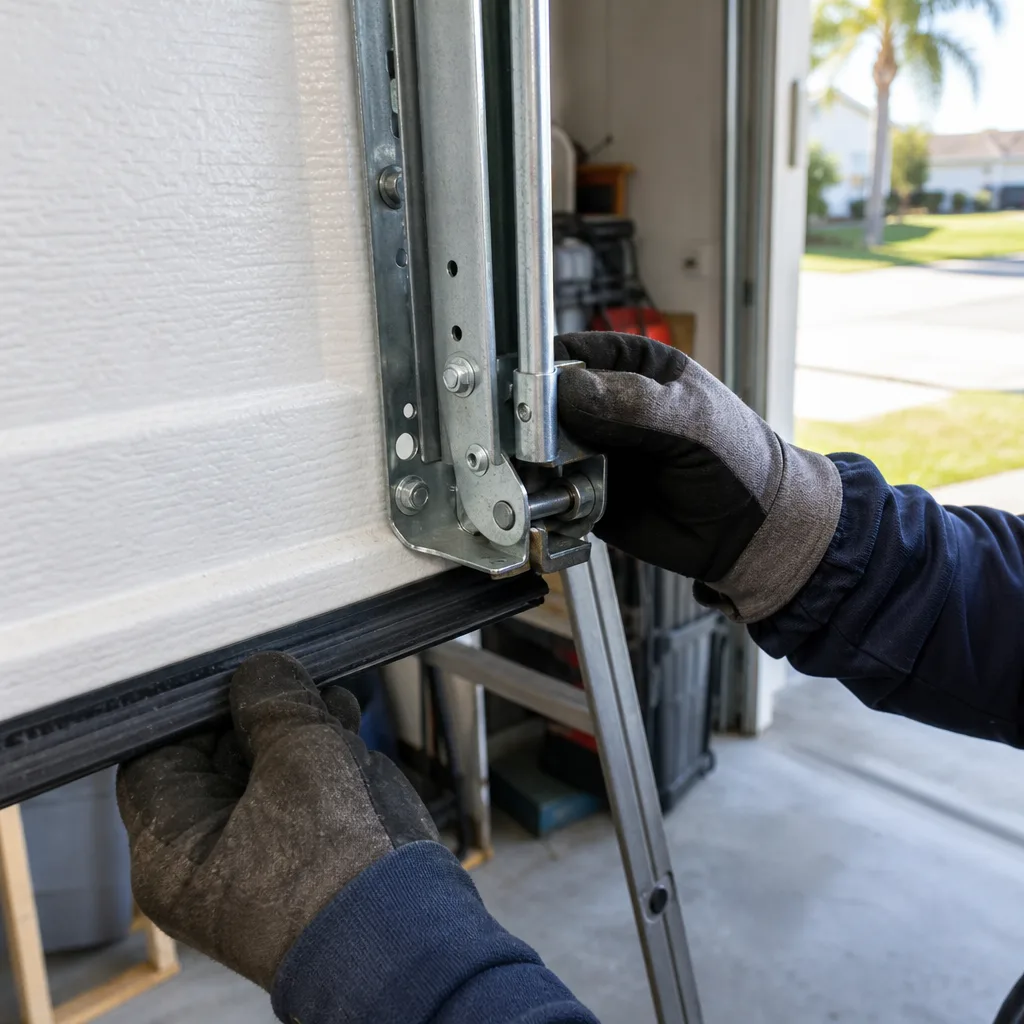
Last updated November 23, 2026
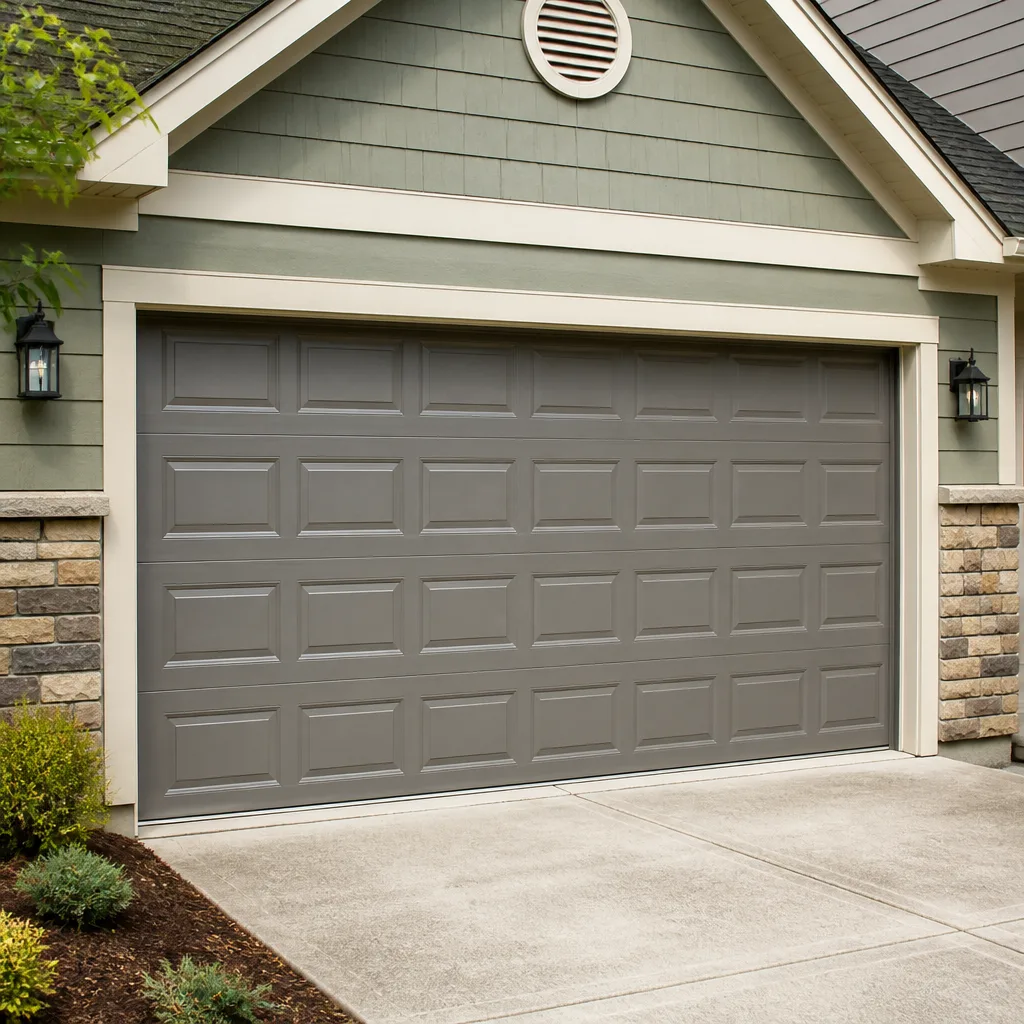 Raised-panel steel
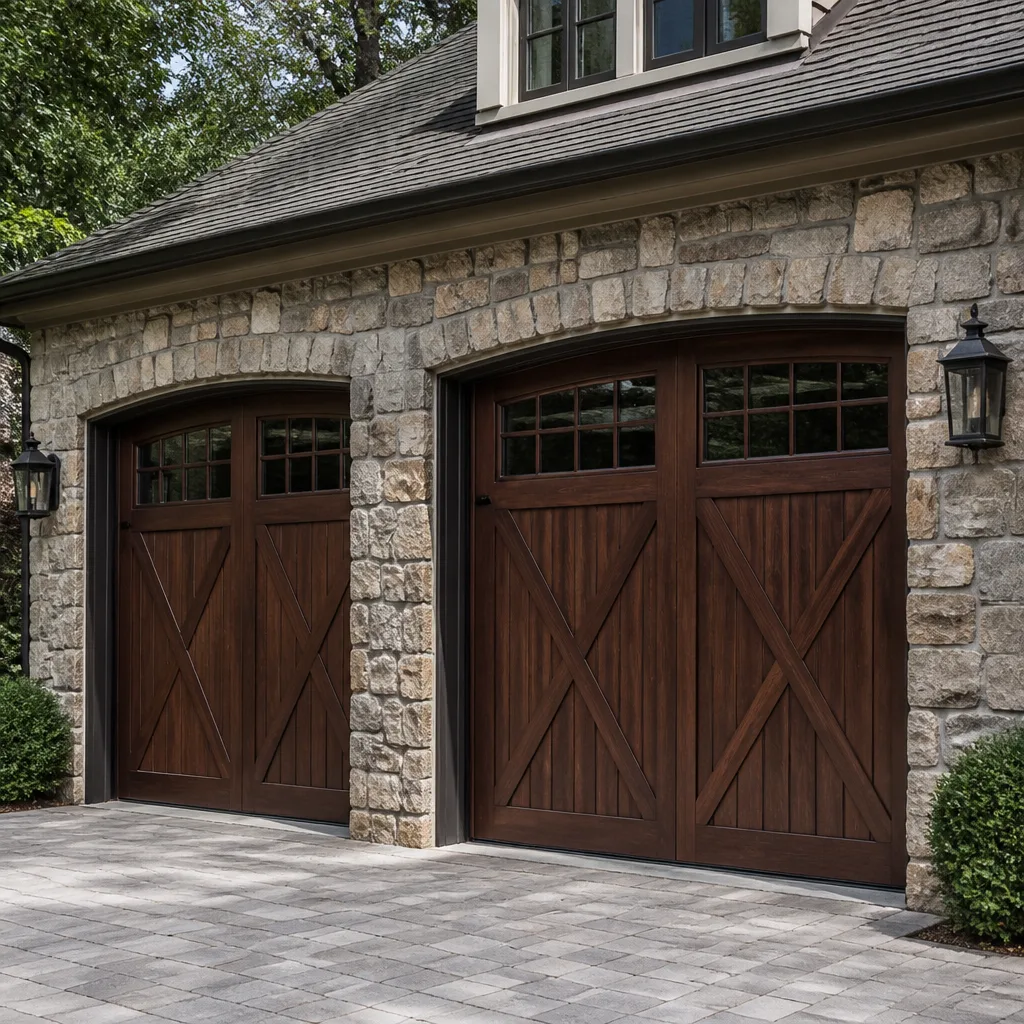 Carriage house
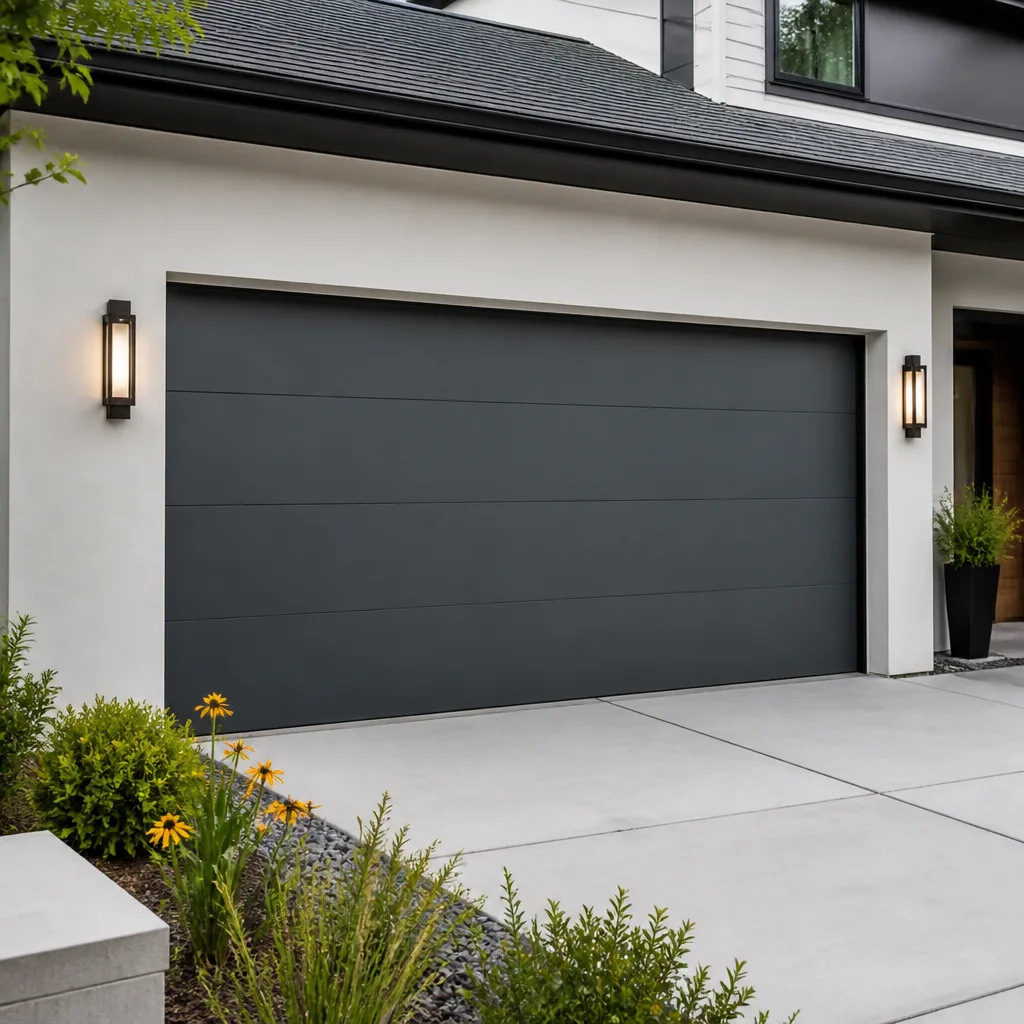 Modern flush
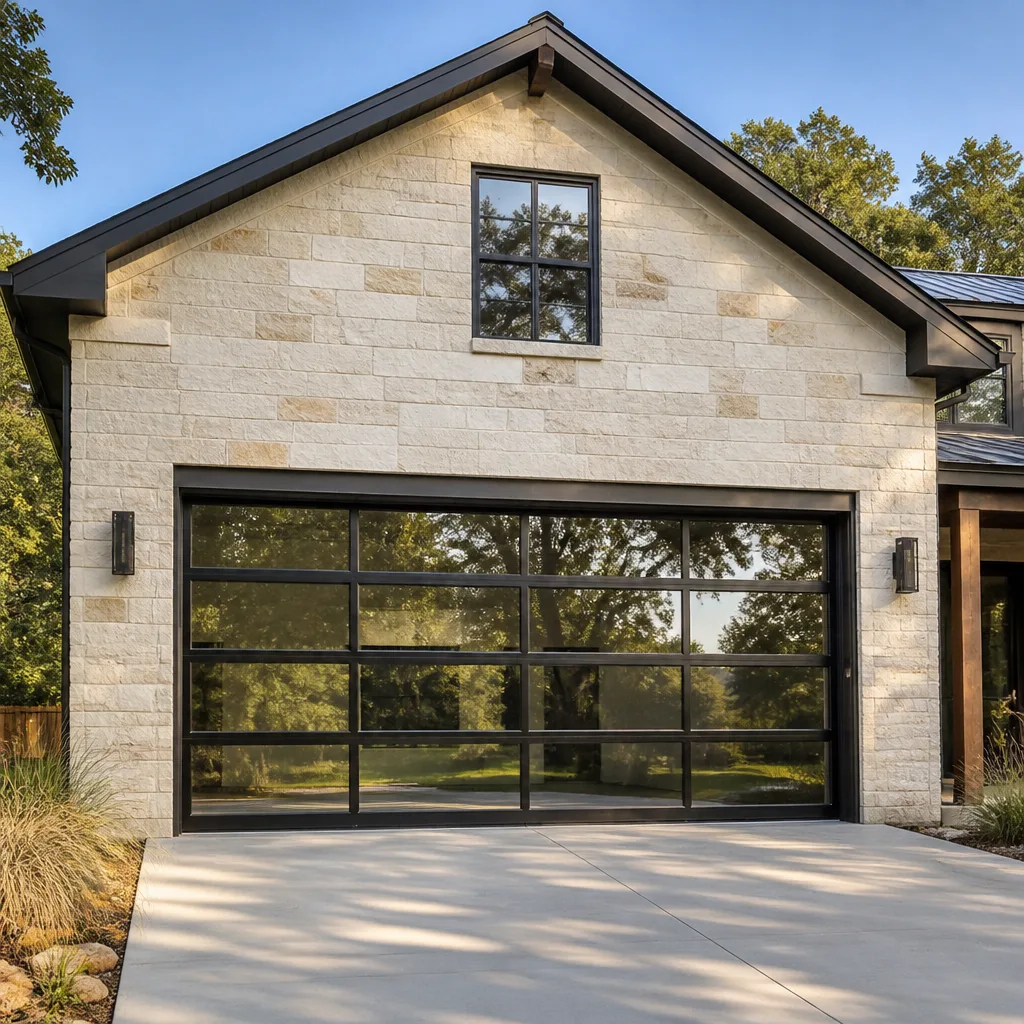 Full-view glass
 LiftMaster openers
 Chamberlain openers
Full 25-point door and opener safety check with every visit - springs, cables, rollers, tracks, and your LiftMaster or Chamberlain opener included
You get a price before we start. It does not change when the pro arrives.
Get your free estimateSeasonal Garage Door Care for Pinellas Park: Year-Round Homeowner’s Guide
June isn’t summer maintenance season in Pinellas Park. It’s too late. The window to prep your garage door for hurricane season closes before the first named storm forms, which means the work that actually protects your door happens in April and May, not when the forecast turns. Most seasonal garage door advice is written for places with four distinct seasons, and it misses the real rhythm here: a wet season, a dry season, and a hurricane prep window that shapes how your springs, panels, seals and tracks age through the year. This guide maps maintenance tasks to the actual Florida calendar so you know what to check, when to check it, and when a problem is beyond a homeowner’s reach.
Quick Answer
Garage door care in Pinellas Park follows a three-part calendar, not four seasons: pre-hurricane prep in April and May (wind bracing, bottom seal, manual release, track alignment), wet-season monitoring from June through September (spring fatigue and steel panel corrosion from daily humidity swings), and dry-season service from October through February, which is the best time to schedule torsion spring replacement because cooler temperatures change spring tension readings. Post-storm inspections belong after every named storm or severe thunderstorm, before you operate the door again.
Styles & brands we work with
- Raised-panel steel
- Carriage house
- Modern flush
- Full-view glass
- LiftMaster openers
- Chamberlain openers
Table of Contents
- Why Pinellas Park’s Calendar Isn’t Four Seasons
- Pre-Hurricane Season Checklist (April-May)
- Wet Season Effects: June Through September
- Post-Storm Inspection Protocol
- Dry Season: October Through February and Torsion Spring Timing
- Storing a Vehicle Long-Term Without Trapping Humidity
- Monthly Habits That Stretch Door Life
- Common Mistakes to Avoid
- When to Call a Professional
- Frequently Asked Questions
Why Pinellas Park’s Calendar Isn’t Four Seasons
Pinellas Park sits in a subtropical climate with two dominant patterns: a warm, humid wet season that runs roughly June through September and a drier, milder stretch from October into spring. That’s the real framework for garage door maintenance here. A guide written for Ohio or Colorado will tell you to winterize before the first freeze. There’s no freeze to prepare for. What you’re preparing for is sustained humidity, afternoon thunderstorms, and the six-month hurricane window that runs from June 1 through November 30.
That shift changes what gets stressed and when. In cold climates, the enemy is thermal contraction and road salt. Here, it’s moisture cycling. Every morning in the wet season, humidity climbs toward saturation. Every afternoon, a storm rolls through and the temperature drops. Your garage door sits inside that cycle, and the components that respond worst to it are the ones under load: springs, hinges, rollers and the bottom seal.
Understanding this matters because most maintenance checklists are timed for the wrong calendar. If you’re doing your heavy inspection in October, you’ve missed the window when the door needed to be at its strongest. The Pinellas Park approach is to front-load the critical work before hurricane season and use the dry months for the service tasks that benefit from cooler, more stable conditions.
One more thing to note: because there’s no true winter, there’s also no off-season for wear. Your door runs every day, all year. That’s more cycles per year than a door in a colder climate sees, and it’s why spring longevity here depends more on cycle count and humidity exposure than on temperature extremes.
Pre-Hurricane Season Checklist (April-May)
Hurricane season starts June 1. The prep work needs to be done before then, ideally in April or May when the weather is still stable and you’re not competing with storm-prep crowds. This is the single most important maintenance window of the year in Pinellas Park, and it covers four things that directly affect how your door performs under wind load.
The main Garage Door Repair Pinellas Park page covers the full scope of what a door service visit includes, but here’s the seasonal version:
- Wind bracing inspection. Look at the reinforcement struts and brackets that connect the door panels to the track. Check for loose bolts, bent struts, or any sign that a panel has flexed. A door rated for wind needs its bracing intact. Missing or compromised bracing is the most common pre-storm finding.
- Bottom seal integrity. The seal along the bottom of the door is your first defense against wind-driven rain. Run a hand along it and look for cracks, compression set, or gaps at the corners. A seal that’s lost its shape lets water in, and water in the garage during a storm is a much bigger problem than a wet floor.
- Manual release function test. Pull the red release handle and confirm the door disengages from the opener and moves freely by hand. If a storm knocks out power and you need to open the door manually, you want to know the release works before you’re standing in the dark trying to figure it out. Re-engage it afterward.
- Track alignment under load. With the door closed, check that both vertical tracks are plumb and that the horizontal tracks haven’t sagged. Then open the door partway and watch the rollers track smoothly. Any binding or jumping means the track has shifted and needs realignment before wind load makes it worse.
Also test the opener’s safety reverse. Place a test object in the door’s path and confirm the door reverses. If it doesn’t, that’s a safety failure that needs attention regardless of storm season. Whether your opener is a LiftMaster, a Chamberlain or a Genie, the reverse test is the same.
If anything on this checklist looks off, get it looked at in April or May rather than waiting. A door that isn’t storm-ready in June is a door you’re gambling with for six months.
Wet Season Effects: June Through September
Once the wet season starts, the maintenance job shifts from preparation to monitoring. The daily humidity cycle here is relentless: humid mornings, stormy afternoons, and a slow cool-down overnight that never quite dries things out. That constant moisture cycling is hard on two things in particular: springs and steel panels.
How humidity accelerates spring fatigue
Garage door springs are under constant tension whether the door is moving or not. In dry conditions, that’s a predictable wear pattern based on cycle count. In high humidity, the situation changes. Moisture in the air can accelerate surface corrosion on the spring wire, and any corrosion point becomes a stress riser where a fatigue crack starts. A spring that would have lasted years longer in a dry climate can fail earlier here, and it usually fails without much warning.
What to watch for: a door that feels heavier than usual opening by hand, a loud bang from the garage (the classic sign of a snapped torsion spring), or visible rust or dark pitting on the spring coils. If you see any of these, stop using the opener and call for spring repair. This is one of the most safety-critical parts on the whole door, and it’s not a DIY job. The tension stored in a torsion spring can cause serious injury if it releases unexpectedly, and the tools and technique to replace one safely are a specialist’s territory. The garage door spring repair page explains what the work involves.
Steel panel corrosion during the wet season
If your door is steel (which most Clopay and Amarr residential doors are), the wet season is when small paint chips and scratches start to matter. A chip exposes bare steel, and bare steel plus daily humidity equals rust. Rust spreads under the paint film before you see it from the outside. Walk around the door once a month during the wet season and look for any spot where the finish has broken. Touch up paint chips early, and check the bottom edge and the panel seams, which collect moisture.
What to monitor in the wet months
- Spring appearance: any rust, pitting or dark discoloration
- Door weight: does it feel heavier by hand than it did in spring?
- Roller noise: squeaks and grinding that weren’t there in the dry season
- Bottom seal: soft spots, mold, or water intrusion after storms
- Panel finish: chips, bubbling paint or rust spots
- Opener strain: a door that sounds like the opener is working harder than usual
If you notice opener strain specifically, it’s worth having the opener checked rather than assuming the opener itself is failing. Often the opener is fine and the door has become harder to move, which is a garage door opener repair diagnosis that starts with the door, not the motor.
Post-Storm Inspection Protocol
After any named storm or severe thunderstorm, do a visual inspection before you touch the opener. This is a safety protocol, not a maintenance suggestion. A door that took wind load or impact can be in a state where operating it causes real damage or injury.
- Don’t operate the door yet. Leave the opener alone until you’ve done the visual checks below.
- Look at the tracks from outside. Are they still straight and attached to the wall? Any visible bend, sag or separation means the door shouldn’t be run.
- Check the panels. Look for dents, cracks or panels that have shifted out of alignment. A bent panel can bind on the track and jam.
- Inspect the springs and cables. Do this from a distance and only with your eyes. A snapped spring is visible; a frayed or slack cable is visible. If either looks wrong, don’t operate the door.
- Check the bottom seal and hinges. Look for debris, water intrusion or anything that’s come loose.
- Only if everything checks out visually, run the door a few inches with the opener and listen. If it moves smoothly, run it fully. If it binds, stops, or makes an unfamiliar noise, stop and call.
If your door is stuck open after a storm, that’s a security problem as much as a mechanical one. A door that won’t close leaves the garage exposed, and if the garage connects to the house it’s an access point. This is exactly the scenario emergency garage door service is for. Whether the failure involves a Genie opener that won’t engage or a Clopay panel that’s jumped its track, we handle whole-door emergencies, not just one component.
Don’t try to force a stuck door with the opener or by hand. A binding panel under opener force can crack, and a door that comes off its track is far more dangerous than one that stays stuck.
Dry Season: October Through February and Torsion Spring Timing
The dry season is the sweet spot for the service tasks that need stable conditions. From October through February, temperatures are lower and humidity drops, and that changes two things: spring tension readings and how the door behaves under load.
Why cooler temperatures change spring readings
A torsion spring’s tension is calibrated to the door’s weight. When the temperature drops, metal contracts slightly, and the spring’s effective tension shifts with it. A spring that’s marginal can behave differently in cooler weather. If you’ve had a door that felt slightly off during the wet season, the dry months are the time to have it checked. A technician can measure the actual tension and compare it against the door’s weight to determine whether the spring is worn or just adjusted wrong. That’s a diagnosis that’s easier to make accurately in stable conditions than in the middle of a humid July.
This is also when to schedule spring replacement if the original spring has already shown signs of fatigue. Replacing a marginal torsion spring proactively in the dry season beats discovering it’s failed during the wet season when you’re dealing with a door that won’t open at all. Spring replacement is per spring; if both springs are matched, they’re usually replaced together, and the price reflects that. Expect a free estimate in the dry months rather than a same-day emergency call.
Dry-season maintenance tasks
- Lubricate moving parts. Rollers, hinges, and the torsion spring (a light coat, not a heavy one) benefit from lubrication in the dry months before the wet season returns.
- Paint touch-ups. If steel panels have any chips, the dry season is the best time to address them. Paint cures better in lower humidity.
- Balance test. With the door disconnected from the opener, lift it halfway and let go. A properly balanced door stays put. One that drifts down or up is out of balance and needs spring adjustment.
- Opener service check. Test the force settings and safety reverse. Look at the opener’s drive system for wear.
- Weatherstripping inspection. The bottom seal and any perimeter seals should be checked for cracking before they harden in cooler weather.
If your door has an older opener (a Craftsman or Chamberlain unit, for example) and you’re noticing it strain more than it used to, the dry season is a good time to have it evaluated. Sometimes the opener is fine and it’s a door balance issue. Sometimes the opener has reached the end of its life. Getting a straight answer in October is better than finding out in a July storm.
Storing a Vehicle Long-Term Without Trapping Humidity
Pinellas Park garages are often storage space as much as parking space, and a lot of homeowners keep a vehicle, boat, or second car in the garage for months at a stretch. The mistake is to close the door, park the vehicle, and forget about it. In this climate, that creates a humidity trap under the bottom seal, and it’s one of the most common sources of mold we see in garages.
Here’s what actually happens. The garage floor stays cool compared to the outside air during the wet season. Warm, humid air leaks in through the bottom seal and any gaps around the door perimeter. When it hits the cooler concrete and metal, moisture condenses. The vehicle sitting there blocks air circulation, and the moisture that would have dried out during the day has nowhere to go. Over weeks and months, that trapped humidity builds up on the door’s bottom edge, on the floor, and on the underside of the vehicle.
To avoid it:
- Check the bottom seal before storing. A well-sealing bottom seal reduces the humidity leak. If it’s cracked or compressed, replace it before the vehicle goes in for an extended stay.
- Leave a circulation gap. If you can, leave an interior garage door or vent open enough to keep air moving. Trapped air is the problem, not the humidity itself.
- Don’t park directly against the door. Leaving space between the vehicle and the bottom seal helps air move.
- Address any visible mold promptly. If you see mold on the garage floor, walls or door bottom, clean it with an appropriate product and find the moisture source. It’s usually the bottom seal or a perimeter gap.
- Run the door occasionally. Even a long-term stored vehicle benefits from the door being cycled every few weeks. It keeps the springs from sitting in one position and lets a little air exchange happen.
If you’re going to store a vehicle for months, the dry season is the better time to put it away. The wet season is when trapped moisture is most likely to become a problem, and starting a storage cycle in October gives you the driest indoor environment of the year.
Monthly Habits That Stretch Door Life
Most garage door failures are the result of small things that went unnoticed for months. A quick monthly check catches most of them before they become repairs. It takes about five minutes and it applies year-round in Pinellas Park.
- Listen to the door. Any new noise – a squeak, grind, rattle or groan – is information. A door that sounded fine last month and sounds different this month has a developing issue.
- Look at the springs. Rust, pitting, or visible gaps in the coils mean the spring is aging. Note it and get it checked.
- Test the safety reverse. Place an object in the door’s path and confirm it reverses. This is a safety check, not just maintenance.
- Check the bottom seal. Look for cracks, mold, or gaps at the corners. Press it with a finger to test for pliability.
- Scan the panels for finish damage. Any chip or scratch on steel panels gets addressed early, before rust spreads under the paint.
- Look at the tracks. Vertical and horizontal tracks should be straight and attached. Any visible bend is a reason to stop using the opener.
- Test the manual release. Pull the handle, confirm the door disengages, re-engage it. This matters most before and during hurricane season.
If any of these checks turn up a problem, don’t put it off. A small issue in Pinellas Park’s humidity tends to become a bigger one faster than it would in a drier climate. Our technicians have up to 15 years of experience diagnosing and repairing these systems, and they know what the local climate does to a door over a year.
Common Mistakes to Avoid
- Doing hurricane prep in June. The prep window is April and May, before the season starts. By June, you’re past the point where you can comfortably fix something you find.
- Ignoring a spring that looks “a little rusty.” Surface rust on a spring is a warning. It’s the leading indicator of a fatigue failure, and a snapped torsion spring can drop the door and cause serious injury.
- Operating the door after a storm before checking it. Wind load and impact damage hide in tracks and panels. A visual check first prevents the injury or damage that comes from running a compromised door.
- Treating the bottom seal as cosmetic. In this climate, the bottom seal is the barrier between a dry garage and a mold problem. A cracked seal lets humidity in every wet season.
- Letting the opener do the work of a worn spring. If the door feels heavy, the opener is compensating for a problem. Running it that way wears out the opener motor faster than it wears out the spring.
- Storing the vehicle against the door and forgetting it. Long-term storage without circulation traps humidity under the door seal and creates the conditions for mold growth.
- Skipping the dry-season balance check. A door that’s out of balance in cooler weather will only get worse when the wet season returns. October through February is the easiest time to get it corrected.
When to Call a Professional
Some tasks in this guide are within reach for a homeowner – visual inspections, safety reverse tests, paint touch-ups and monthly listening. Others are not. Call a professional if you see a snapped or visibly damaged spring, if a cable is frayed or slack, if the door binds or jumps on its track, if the opener won’t reverse on the safety test, or if the door has come off its track. Those are safety-critical conditions, and a garage door under tension is not a component to experiment with.
You should also call if a door is stuck open or won’t close after a storm. Garage Door Repair Pinellas Park offers free estimates in Pinellas Park – call (833) 868-2268 for an assessment, and same-day and emergency service for doors that are stuck, unsecured, or unsafe. We work on LiftMaster, Chamberlain, Genie, Clopay, Amarr, Wayne Dalton, Craftsman and Raynor systems, so we know your door and opener regardless of brand.
Frequently Asked Questions
April and May, before hurricane season starts on June 1. The prep checklist – wind bracing, bottom seal, manual release test and track alignment – should be done in that window so any problem has time to be repaired before the season. Call (833) 868-2268 for a free estimate if you’d rather have a professional run the checklist.
Spring repair is priced per spring, and a typical range is quoted in a free estimate once the technician sees the door, since the price depends on spring type, door weight and whether one or a matched pair needs replacing. A written estimate sets the final price before any work begins. Call (833) 868-2268 to schedule.
Yes, for emergency situations like a door that’s stuck open, won’t close, or is leaving the garage unsecured. Same-day and emergency service is a real offering, not a marketing line. Call (833) 868-2268 and we’ll get someone out to diagnose and repair it.
In Pinellas Park’s humidity, yes. Rust on a torsion spring is a stress point that leads to fatigue failure, and the failure usually happens without much warning. Replacing a marginal spring in the dry season is safer and more predictable than dealing with a snapped spring on a morning when you can’t get out. Call (833) 868-2268 for an assessment.
It can. Cooler temperatures slightly change spring tension, and a marginal spring may behave differently in cooler weather. The dry season, October through February, is the best time to have the door balanced and the spring tension checked, because stable conditions make the diagnosis more accurate. Call (833) 868-2268 for a free estimate.
We service all the major residential brands, including LiftMaster, Chamberlain, Genie, Clopay, Amarr, Wayne Dalton, Craftsman and Raynor, and we handle opener electronics as part of our full-service garage door work. If you’re unsure about your brand, call (833) 868-2268 and we’ll tell you whether we can service it.
The Bottom Line
Pinellas Park’s maintenance calendar is built around a wet season, a dry season and a hurricane prep window, not four equal seasons. The critical work – wind bracing, bottom seal, manual release and track alignment – belongs in April and May, before hurricane season. The wet months are for monitoring spring fatigue and steel panel corrosion. The dry months, October through February, are the best time to schedule spring service and balance checks. Monthly listening and visual checks catch problems before they become repairs, and anything involving springs, cables, tracks or a stuck door is a call to a specialist rather than a homeowner project. Our door is your door’s best maintenance plan: know the calendar, know the warning signs, and know when to call. We handle the whole door – springs, openers, panels and installation – and we’re here for the Pinellas Park seasons that actually matter.
Written by the team at Garage Door Repair Pinellas Park.
See the difference
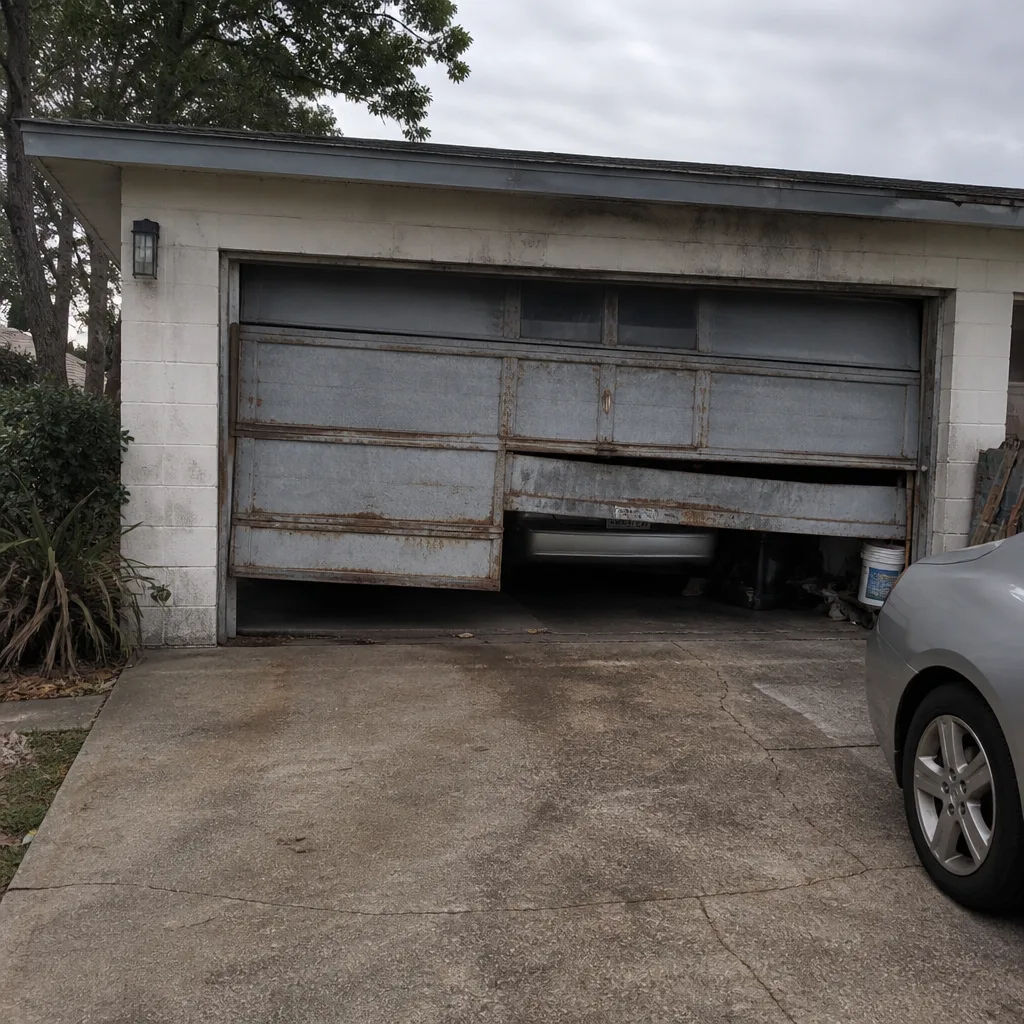 Before
 After
 Before
 After
 Before
 After