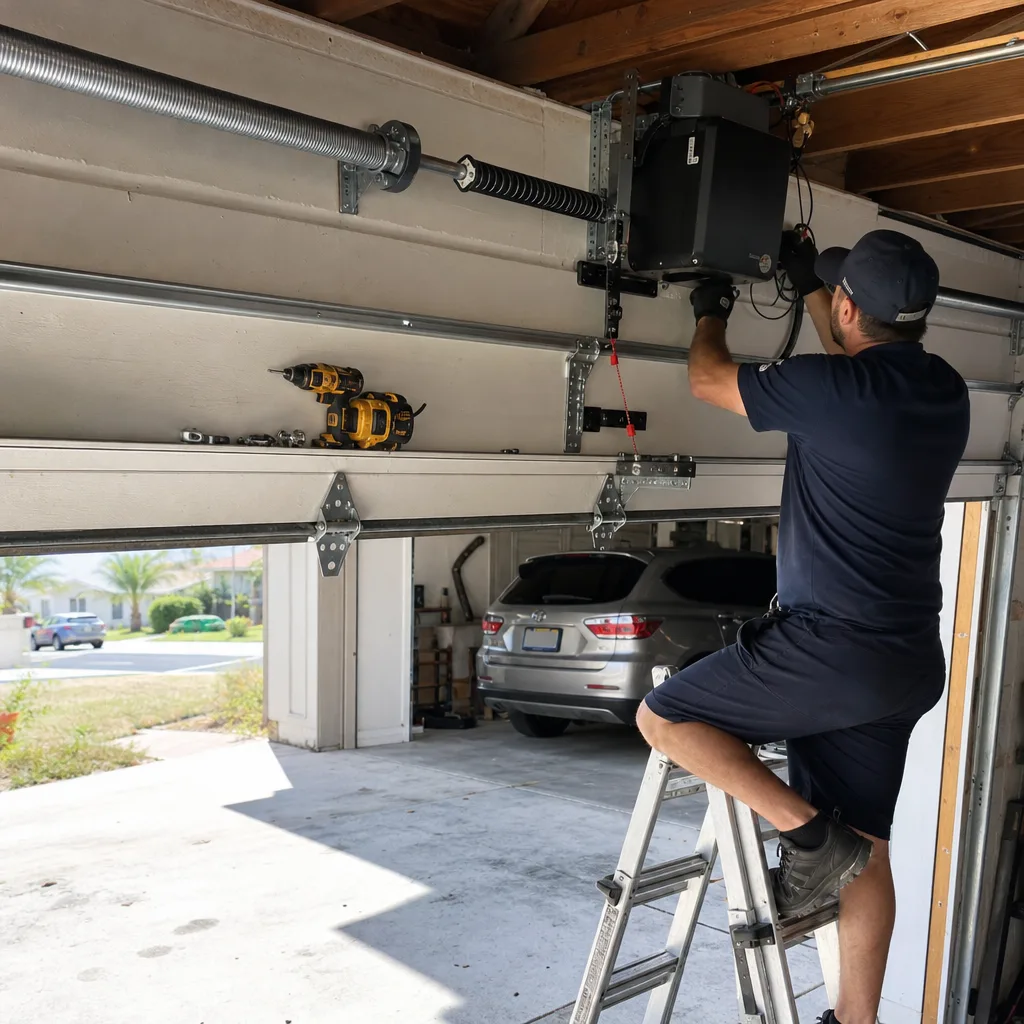
Last updated November 23, 2026
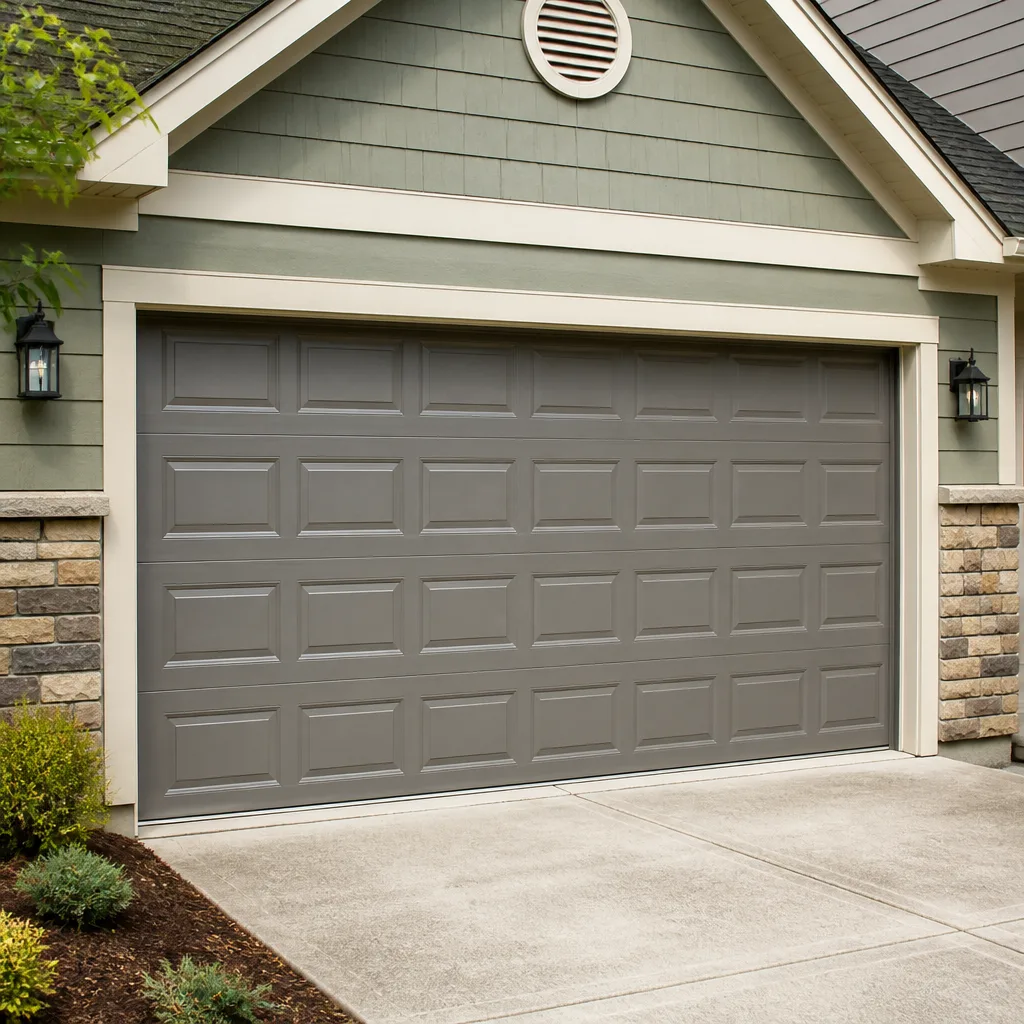 Raised-panel steel
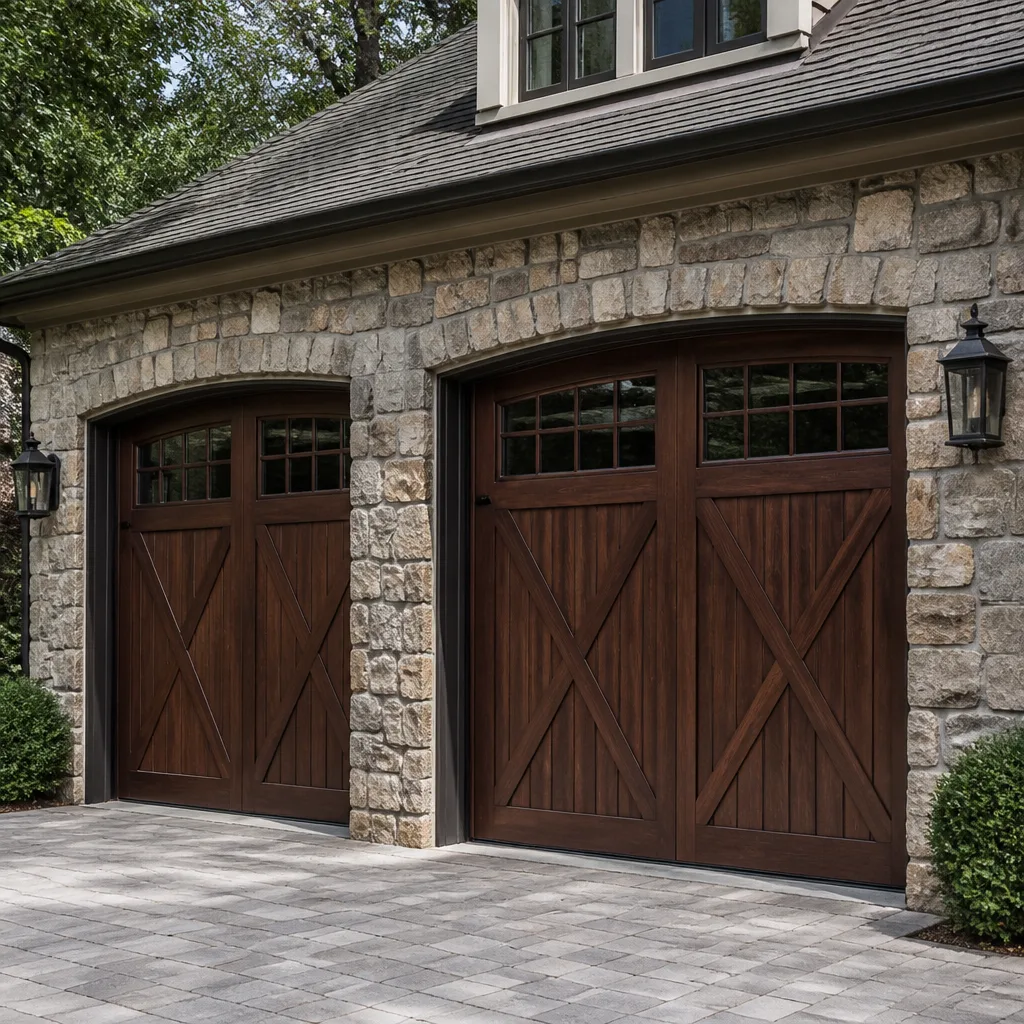 Carriage house
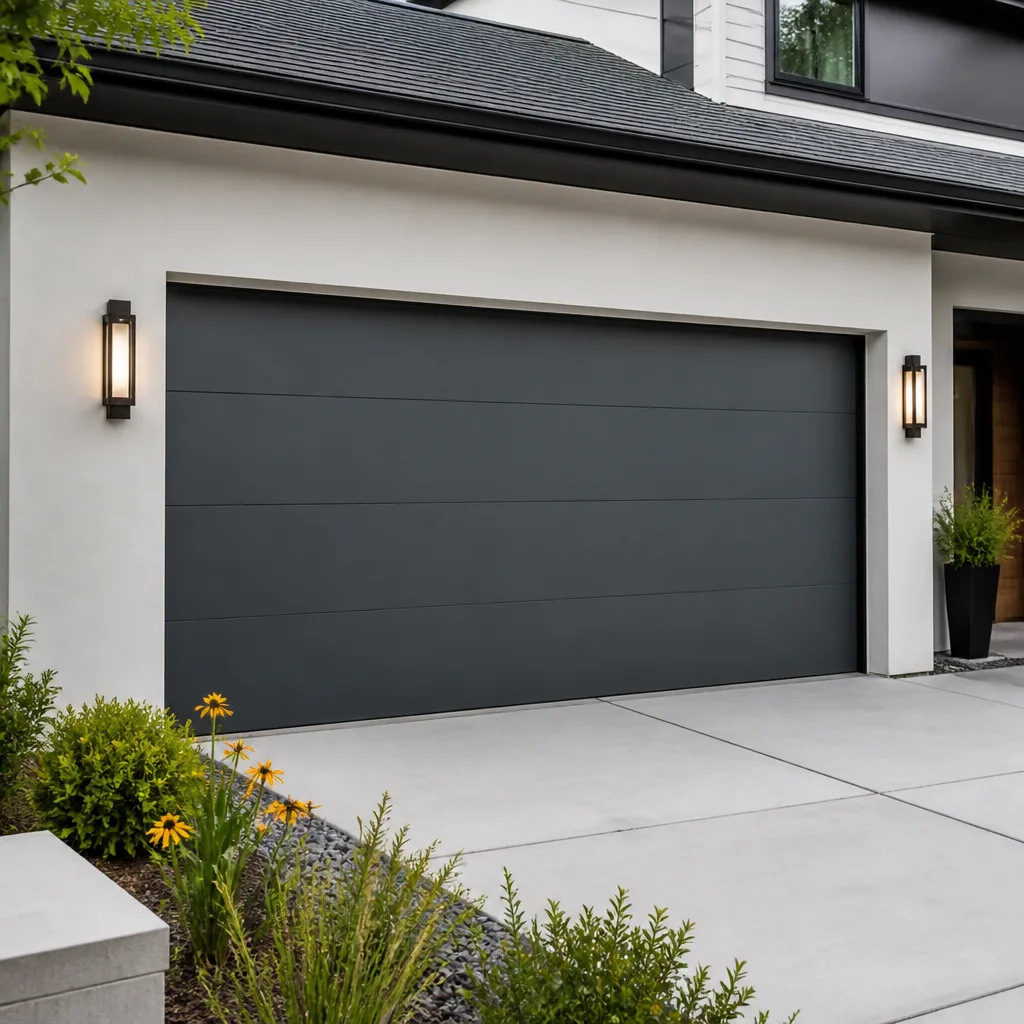 Modern flush
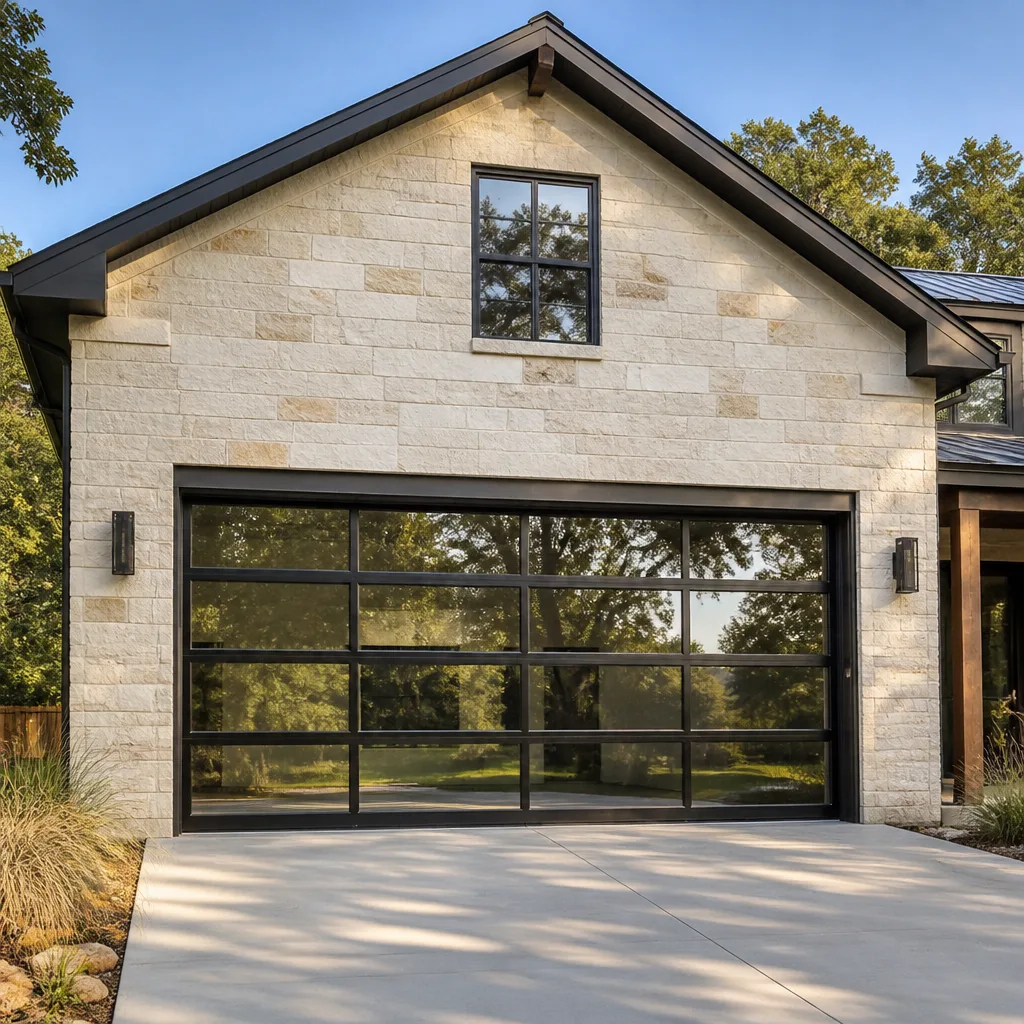 Full-view glass
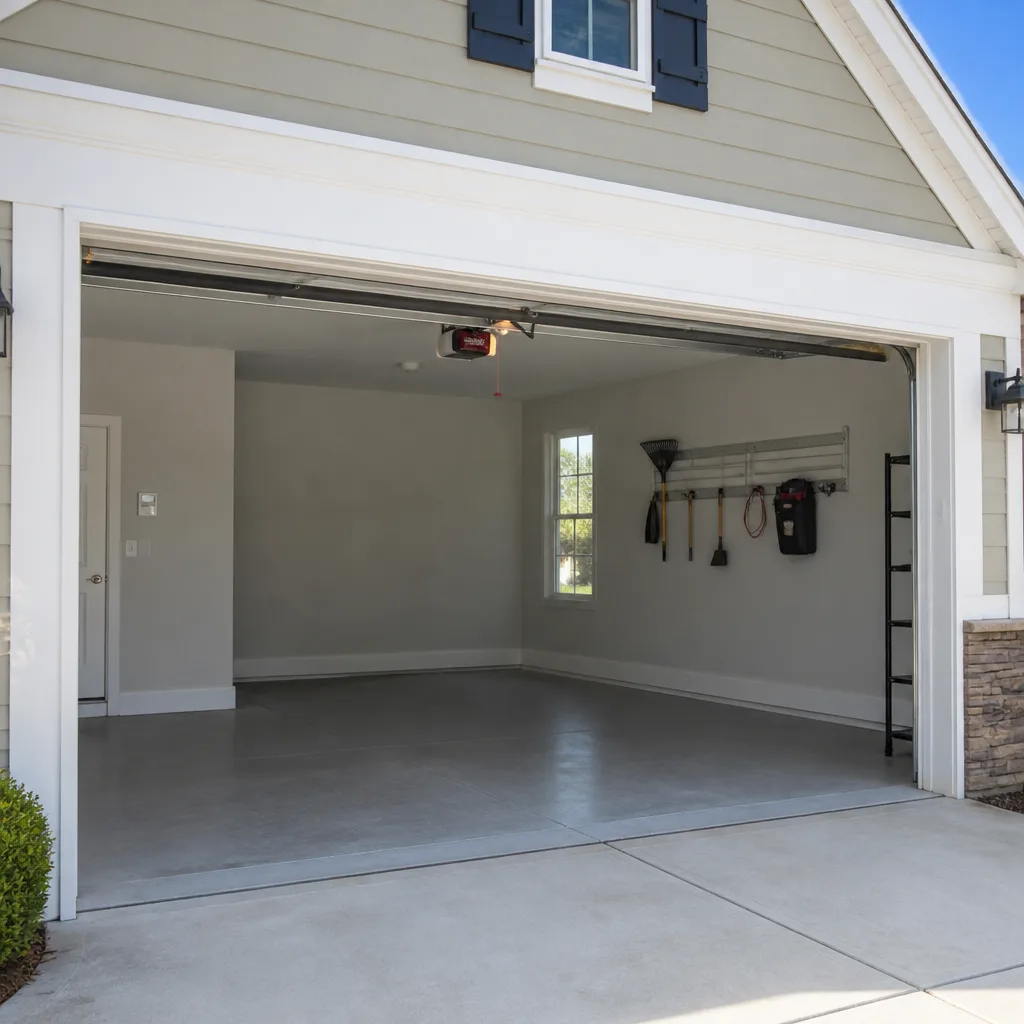 LiftMaster openers
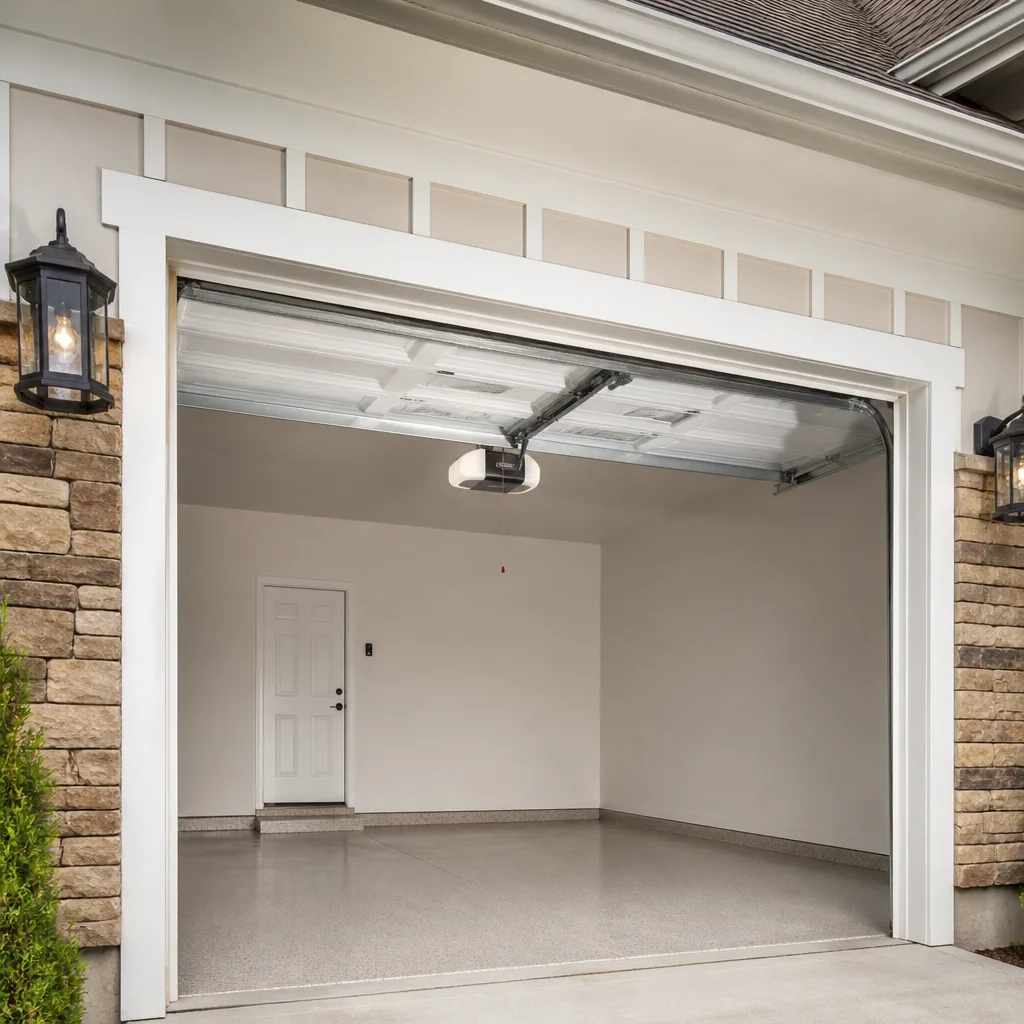 Chamberlain openers
Full 25-point door and opener safety check with every visit - springs, cables, rollers, tracks, and your LiftMaster or Chamberlain opener included
You get a price before we start. It does not change when the pro arrives.
Get your free estimateGarage Door Repair Maintenance Checklist for Pinellas Park Homeowners
WD-40 on garage door springs is one of the most common mistakes we see in Florida garages. It feels like maintenance. It isn’t. Standard penetrating oil strips the factory lubricant coating that slows corrosion in humid air, and it leaves springs drier and more exposed than before. Plenty of maintenance advice floating around was written for a climate with real winters, and a lot of it works against you in Pinellas Park, where the real stressors are year-round humidity, intense sun on rubber seals, and afternoon thunderstorms that knock sensors out of alignment. This checklist rebuilds the routine around those conditions. You’ll learn what to lubricate and with what, which inspections are safe to do yourself, how the wet and dry seasons change the schedule, and when a door needs a trained technician rather than a Saturday project.
Quick Answer
A garage door maintenance routine in Pinellas Park should follow a monthly, quarterly and seasonal cadence rather than an annual one, because humidity and UV exposure here work on the door year-round instead of seasonally. Homeowners can safely lubricate springs, rollers, hinges and tracks, inspect the bottom seal and weatherstripping, and test the opener’s safety sensors and auto-reverse. Anything involving torsion springs, cables, or the opener’s internal components belongs with a trained technician.
Styles & brands we work with
- Raised-panel steel
- Carriage house
- Modern flush
- Full-view glass
- LiftMaster openers
- Chamberlain openers
Table of Contents
- Why a Pinellas Park Maintenance Schedule Looks Different
- The Monthly Five-Minute Check
- Choosing the Right Lubricant for Each Part
- Bottom Seals and Weatherstripping: UV and Storm Water
- How to Inspect Torsion Springs Without Touching Them
- Opener Safety Sensors and Storm Drift
- Wet Season vs. Dry Season: A Seasonal Cadence
- Balancing, Rollers, Hinges and Hardware
Why a Pinellas Park Maintenance Schedule Looks Different
Most national garage door maintenance guides assume a cold winter that stresses the door with freeze-thaw movement and then gives everything a long rest. Pinellas Park doesn’t get that rest. The door sits in warm, humid air most of the year, and that has predictable consequences for every component.
Humidity is the big one. Steel panels, springs, hinges and roller stems all oxidize faster when they’re coated in condensation through the summer wet season. The factory-applied lubricant on springs is what holds that corrosion back, which is why stripping it off with the wrong product costs you. UV is the second stressor: rubber bottom seals and weatherstripping that would last many seasons in a cooler climate can dry, crack and lose their sealing edge here much sooner, and once they do, storm water finds its way under the door.
The third stressor is electrical, not mechanical. Florida’s afternoon thunderstorms send power surges and voltage dips through the opener’s electronics and can leave the safety sensors slightly misaligned from the vibration of a nearby strike. We’ve seen openers that “randomly” stop closing in July that were fine all winter, and the cause is a sensor knocked a few degrees out of line rather than a failed motor.
What this means in practice: don’t wait for spring to service the door. Spread the tasks across the year, weight the seal and hardware inspections toward the wet season, and treat the opener sensors as a monthly check rather than an annual one. A door in Pinellas Park that gets this cadence will outlast the same door on a once-a-year routine.
The Monthly Five-Minute Check
A short monthly once-over catches most problems before they become a stuck door. You don’t need tools for most of it, and none of it puts your hands near moving parts while the door is running.
- Watch and listen. Run the door from inside the garage and listen for grinding, squealing or uneven travel. A door that jerks or pauses is telling you something is binding.
- Check the safety sensors. With the door open, wave an object through the sensor beam and confirm the door reverses. Do it from both sides of the opening.
- Test the auto-reverse. Lay a piece of wood flat under the closing door and confirm it reverses on contact. This is the single most important safety feature on the whole system.
- Eyeball the bottom seal. Look for cracks, gaps and any spot where the rubber has pulled away from the door’s bottom edge.
- Look at the springs and cables from a distance. You’re checking for visible gaps in the coil, a sagging door, or a cable that looks slack or frayed. Don’t touch them.
- Check the balance by hand with the opener disconnected. Lift the door halfway and let go. A correctly balanced door should hold roughly in place rather than drop or spring up.
If any of these checks fail, stop running the door and note what you saw. That note makes the conversation with a technician much faster. In our experience, the balance test alone catches a surprising number of doors in Pinellas Park that are working much harder than they should be.
Choosing the Right Lubricant for Each Part
Not every part of a garage door wants the same product, and using one lubricant everywhere is how doors end up gummy, dusty or prematurely worn. Here’s where each product belongs. The single most important rule: never use WD-40 or any penetrating oil on springs, hinges, rollers or tracks. Penetrating oils are for loosening stuck bolts, not lubrication, and on springs they strip the protective coating.
- Springs (torsion and extension): a purpose-made garage door spring lubricant or a lithium grease spray. This is the one place a heavier product is right, because springs need a coating that clings and holds back corrosion through the humid months.
- Rollers and roller stems: a light silicone spray or dedicated roller lubricant. Silicone penetrates and leaves a dry film that doesn’t attract dust, which matters here because grit in the roller bearings grinds them down faster than in dry climates.
- Hinges: a small amount of lithium grease or silicone spray where the hinge plates pivot. Wipe off excess. Hinges on a Pinellas Park door collect condensation and benefit from a light coating that seals the metal.
- Tracks: silicone spray only, and sparingly. Never grease the tracks. Grease on a track attracts dust and grit and turns into a paste that drags on the rollers. A dry silicone film is what you want.
- Opener rail and chain/screw (if your opener has one): check the manufacturer’s guidance for your LiftMaster, Chamberlain or Genie model. Most take a light grease on the chain and nothing on a belt-drive rail. Follow the manual rather than guessing.
Lubricate springs and hinges roughly every few months in Pinellas Park rather than once a year, because the humidity does its work continuously. If your door lives on the sunny side of the house and the springs run warmer, tighten that interval. And if you’re not sure what your door’s springs are coated with, don’t add anything until a technician takes a look. For spring-specific work, that conversation is best had with someone who does garage door spring repair every day rather than as an occasional job.
Bottom Seals and Weatherstripping: UV and Storm Water
The bottom seal and the weatherstripping around the door opening take more abuse in Pinellas Park than any other part of the system. They face two threats at once: the sun breaks down the rubber from the outside, and the wet season pushes water against the seal from the ground up. A seal that fails either test lets water and pests into the garage, and it lets cooled air out, which shows up on your electric bill.
Inspect the bottom seal by running your hand along the door’s bottom edge with the door closed. You’re feeling for cracks, brittleness, flattening and any spot where the rubber has hardened rather than flexed. Look closely at the corners, where UV exposure and water pooling both concentrate. If the seal feels stiff or shows a split, replace it before the wet season rather than waiting for a leak to tell you.
Check the side and top weatherstripping the same way: press it gently and confirm it springs back, then look for daylight around the closed door. A door that lets light through around its perimeter is letting water and humid air through too. Florida storm wind drives rain sideways, so a small gap on the windward side lets a surprising amount of water into the garage.
Clean the seal a few times a year with mild soap and water and wipe it dry. A silicone-based protectant on rubber seals helps slow UV breakdown, though it won’t rescue a seal that’s already cracked. If the frame or threshold itself is holding water against the door, that’s worth flagging to a technician during a repair visit, because a bad threshold will keep ruining new seals.
How to Inspect Torsion Springs Without Touching Them
Inspect torsion springs with your eyes only, from the ground, with the door closed and the opener disconnected from the door. Torsion springs are under extreme tension and can cause serious injury if touched or adjusted by anyone without training. Never attempt to loosen, adjust or replace them yourself.
Here’s what a safe visual inspection looks like:
- Identify the spring location. On most doors it’s a horizontal bar above the door opening, running the width of the door. Extension springs, on older doors, run along the tracks on either side.
- Look for a visible gap. A broken torsion spring typically shows as a gap in the coil where the metal has snapped. That’s your cue to stop using the door and call a technician.
- Check for sagging. If the spring looks bowed or the door itself looks higher on one side than the other, something is off.
- Look at the cables. Frayed, slack or visibly kinked cables are a sign of trouble. Don’t touch them either; they’re also under tension.
- Listen for a bang. If you’ve heard a loud snap from the garage and the door won’t lift, a spring has likely failed. Leave the door down and call us.
Springs in Pinellas Park’s humid air are particularly vulnerable because rust weakens the coil from the inside out, and a weakened spring can fail without warning. That’s why the visual check matters so much here. If you’re ever unsure what you’re looking at, a quick call to a technician can save you a lot of guessing. Our team handles garage door repair for exactly these situations, and a trained set of eyes on a suspect spring is worth the call. Our technicians have up to 15 years of experience with torsion and extension systems.
Opener Safety Sensors and Storm Drift
The two small sensors at the base of your door’s tracks, one on each side, do more than keep the door from closing on someone. They’re also the most common reason a door refuses to close at all, and in Pinellas Park they go out of alignment more often than they fail mechanically. Afternoon thunderstorms vibrate the tracks and surge the opener electronics, and a sensor nudged a few degrees off its partner will stop the door cold.
The good news: sensor alignment is one a homeowner can check and often fix without tools. Start by confirming both sensors have power (most models have a small indicator light). If one is dark, check the wiring connection at that sensor. If both are lit but the door won’t close, adjust the sensor’s aim until its light comes on steadily, then test the door. Wipe dust and spider webs off the sensor lenses while you’re there; a dirty lens is a surprisingly common cause of “the door won’t close.”
What you can’t fix yourself is a sensor that’s failing electronically or an opener control board that’s reacting badly to power surges. If sensors are aligned and lit and the door still won’t cooperate, that’s a job for a technician. We see a lot of openers in Pinellas Park, whether it’s a LiftMaster, a Chamberlain or an older Genie, and we can tell the difference between a sensor problem and an opener problem in a single visit. If your opener is the issue, garage door opener repair is the right starting point.
Wet Season vs. Dry Season: A Seasonal Cadence
The single most useful adjustment you can make to a generic maintenance routine is to move tasks to the season where they matter most. In Pinellas Park the calendar splits roughly into the summer wet season, when humidity and storms dominate, and the drier, cooler months, when UV and dust build-up become the bigger concern.
Wet season (roughly late spring through early fall)
- Lubricate springs, hinges and roller stems at the shorter end of your interval. The humidity is working on them every day.
- Check the bottom seal and weatherstripping more often, and clear any standing water from the garage floor near the door.
- Test the opener’s safety sensors after any notably large storm, and confirm the auto-reverse still works.
- Look for rust on hinges and roller stems, and treat any you find early.
Dry season (roughly late fall through early spring)
- Give the door a deeper clean and inspect for UV damage on seals, which accumulates through the sunny months.
- Check all hinges, bolts and the roller brackets for looseness and tighten as needed.
- Test the door’s balance and lubricate the opener rail per its manual.
- Look at the whole door from a few steps back for panel dents, misalignment or sagging that’s easier to spot in clear, dry weather.
Treat this as a rhythm rather than a rigid schedule. A door on the sunny side of a Pinellas Park home or one that gets heavy daily use should get its seal and hardware checks sooner. If you’ve noticed the door getting louder or slower, don’t wait for the next season to look at it.
Balancing, Rollers, Hinges and Hardware
Everything that moves on a garage door wears, and in a humid climate the wear is faster. A door that’s out of balance drags on its opener, which shortens the opener’s life and puts extra strain on the springs. A door with a grit-filled roller runs louder and eventually fails.
Check balance by disconnecting the opener (usually a pull cord or lever), lifting the door to the halfway point by hand, and letting go. A balanced door should hold position. If it drops or shoots up, it needs adjustment. Don’t attempt to adjust the springs to fix balance yourself; that part belongs with a technician.
Rollers wear out faster than people expect, especially in a climate where grit and humidity combine. Inspect them for flat spots, chipped wheels and wobbling stems. Nylon rollers often last longer than steel ones in humid air. Hinges accumulate rust at their pivots and should be wiped clean and re-lubricated whenever they start to squeak. Loose hinge bolts are common and easy to tighten with a wrench.
Check the door’s panel fasteners, the garage door opener’s mounting brackets and the track alignment too. A track that’s been bumped out of alignment will cause the door to bind. If the door has been through a minor impact, like a car tapping the bottom panel or a kid’s bike hitting the track, that’s worth a technician’s look even if the door still runs. Our team services every major brand, from Clopay panels to older Craftsman doors, so a quick diagnosis covers the whole assembly. If your door needs more than a tune-up, we also handle full Garage Door Repair Pinellas Park installation and replacement.
Common Mistakes to Avoid
- Using WD-40 or penetrating oil on springs. This strips the protective coating and accelerates corrosion in Pinellas Park’s humid air, exactly what the product was supposed to prevent. Use a proper spring lubricant instead.
- Greasing the tracks. Grease on the tracks attracts grit and turns into a dragging paste, which is worse than a dry track. Use a dry silicone film and never grease.
- Ignoring a small bottom-seal crack. A split seal lets storm water and humid air into the garage, and the damage compounds through the wet season until the whole seal needs replacing.
- Trying to adjust or replace a torsion spring yourself. Springs are under extreme tension and cause serious injuries when handled without the right tools and training. This one is non-negotiable: call a technician.
- Assuming the opener’s safety sensors are fine because the door still opens. Sensors can be misaligned and still let the door open while blocking it from closing. Test them monthly, especially after storms.
- Running an unbalanced door because it still works. An unbalanced door strains the opener and springs every time it moves, and the wear accumulates quietly. Fix balance before it costs you on major repairs.
- Waiting until the door stops working entirely. Small fixes are cheap compared to spring, opener and track repairs. A five-minute monthly check catches most problems before they get expensive.
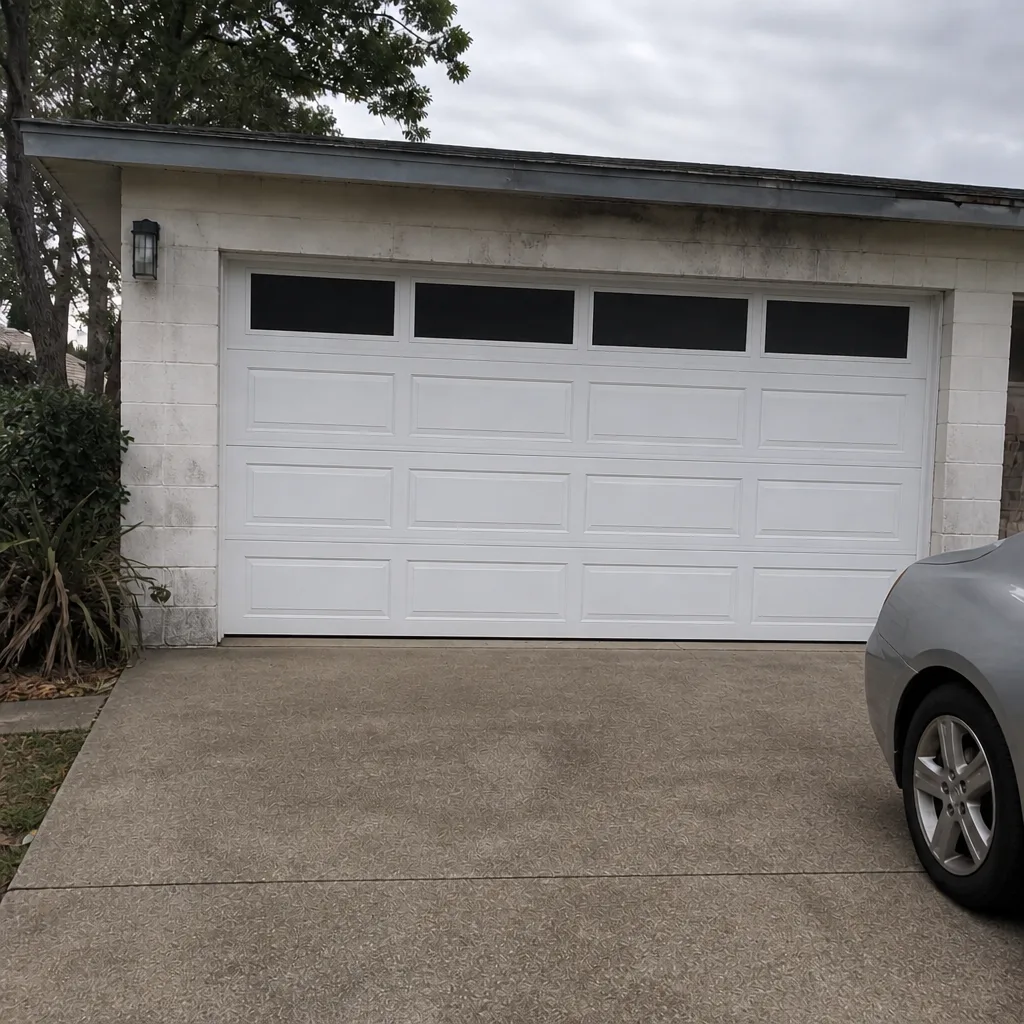
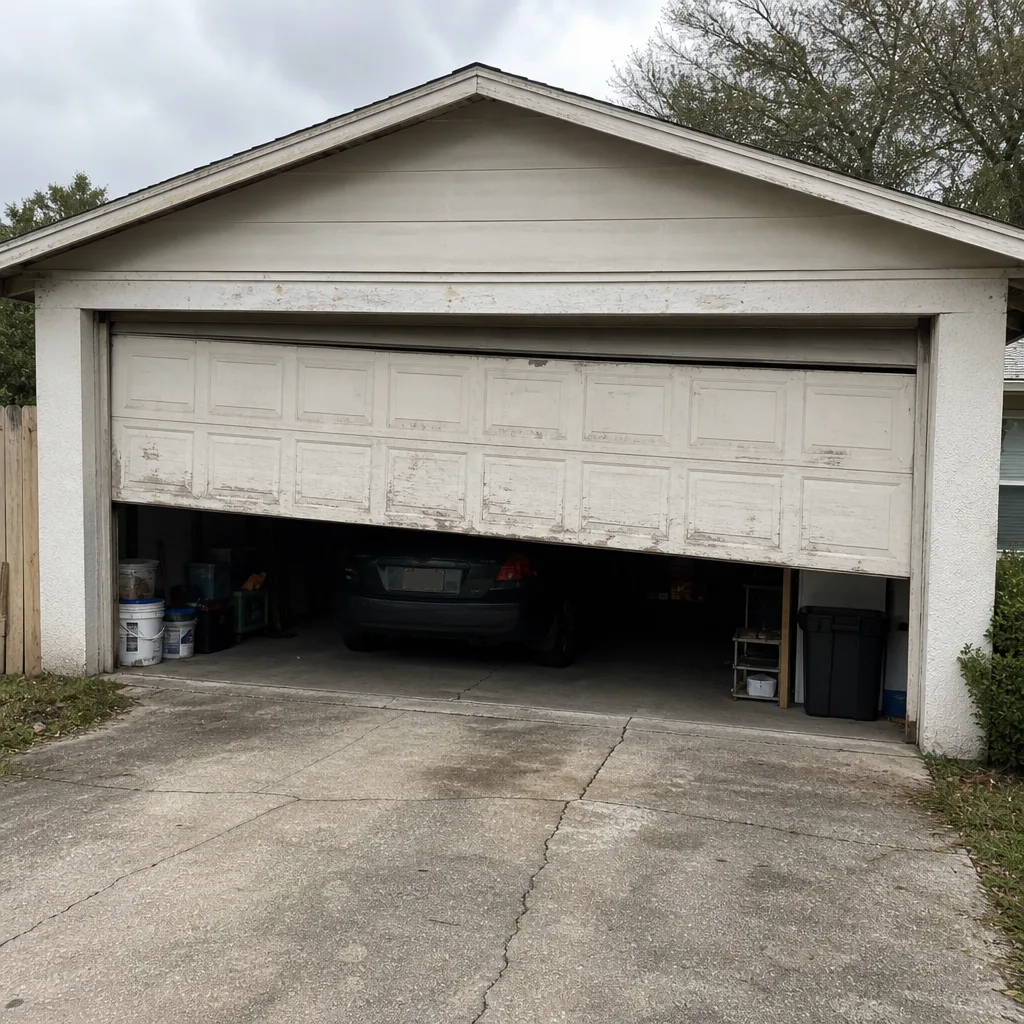
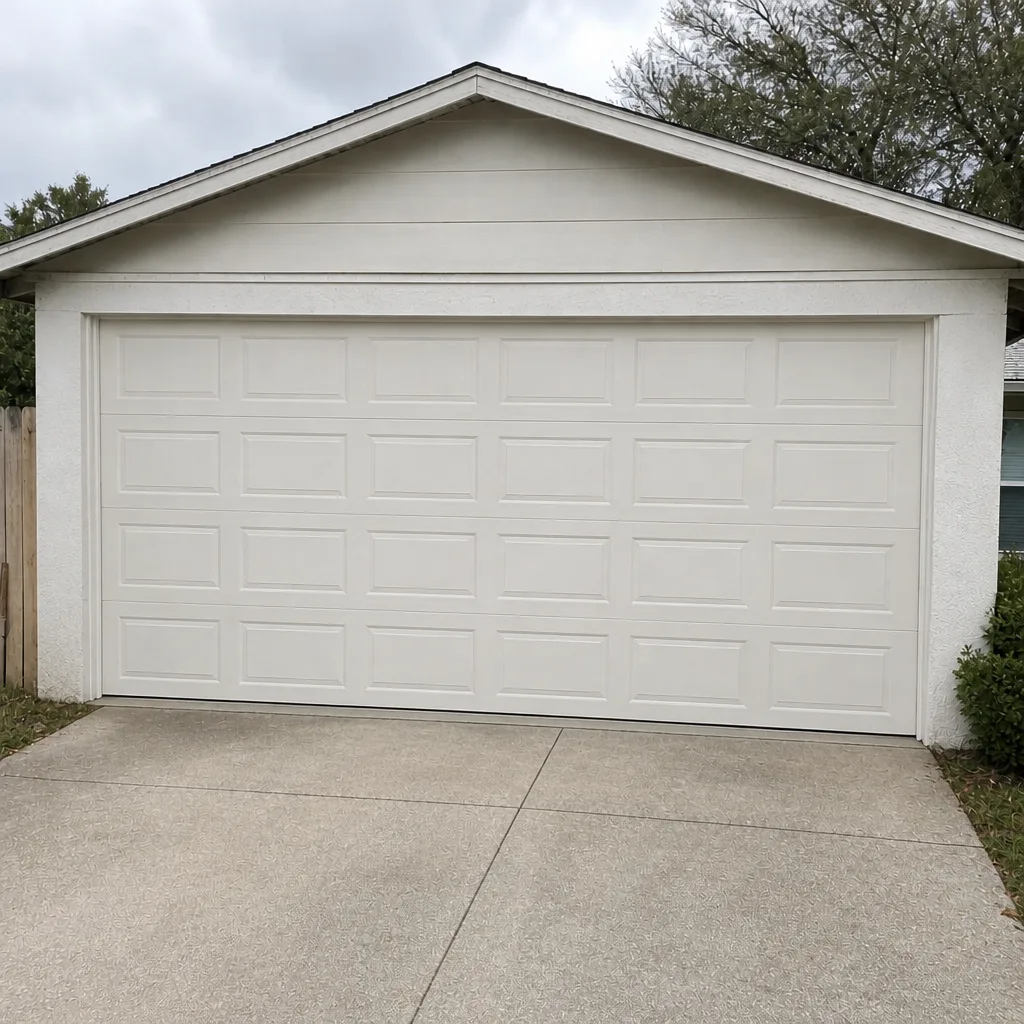
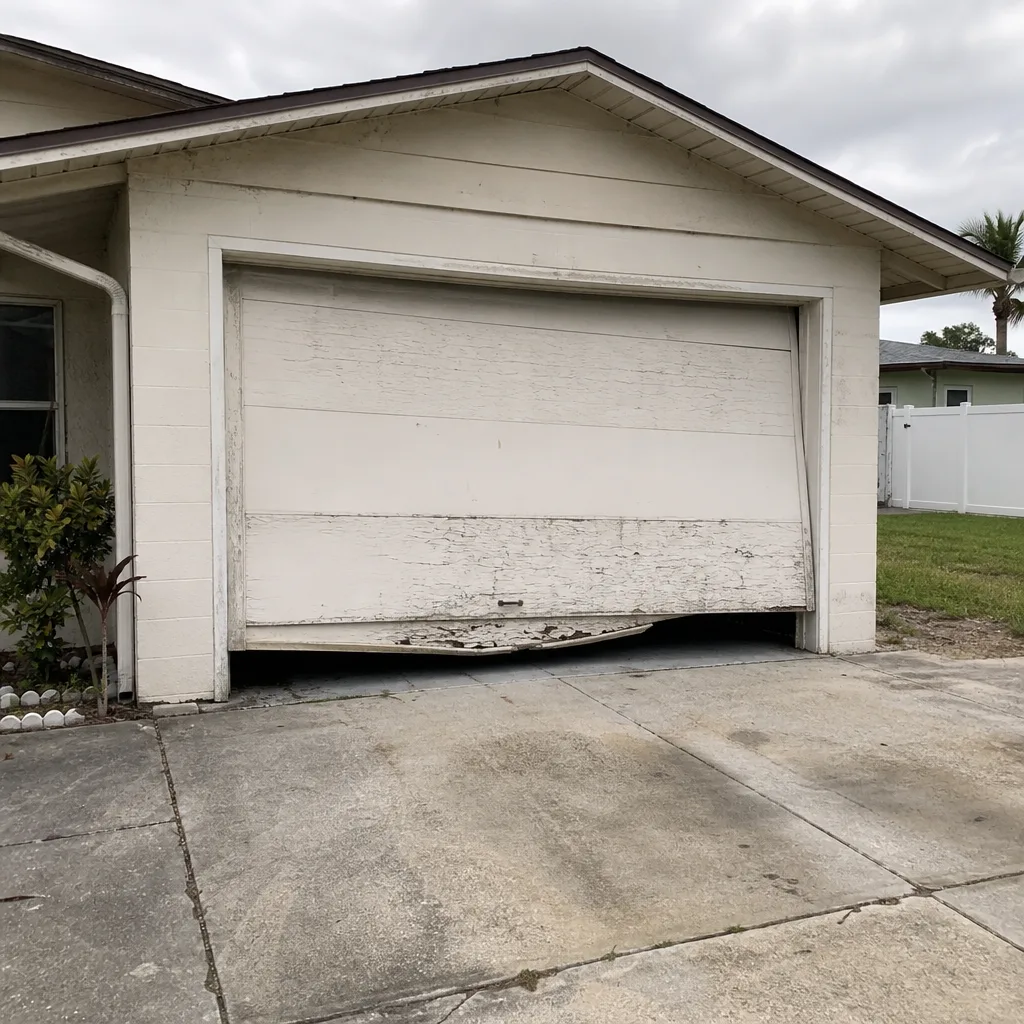
See the difference
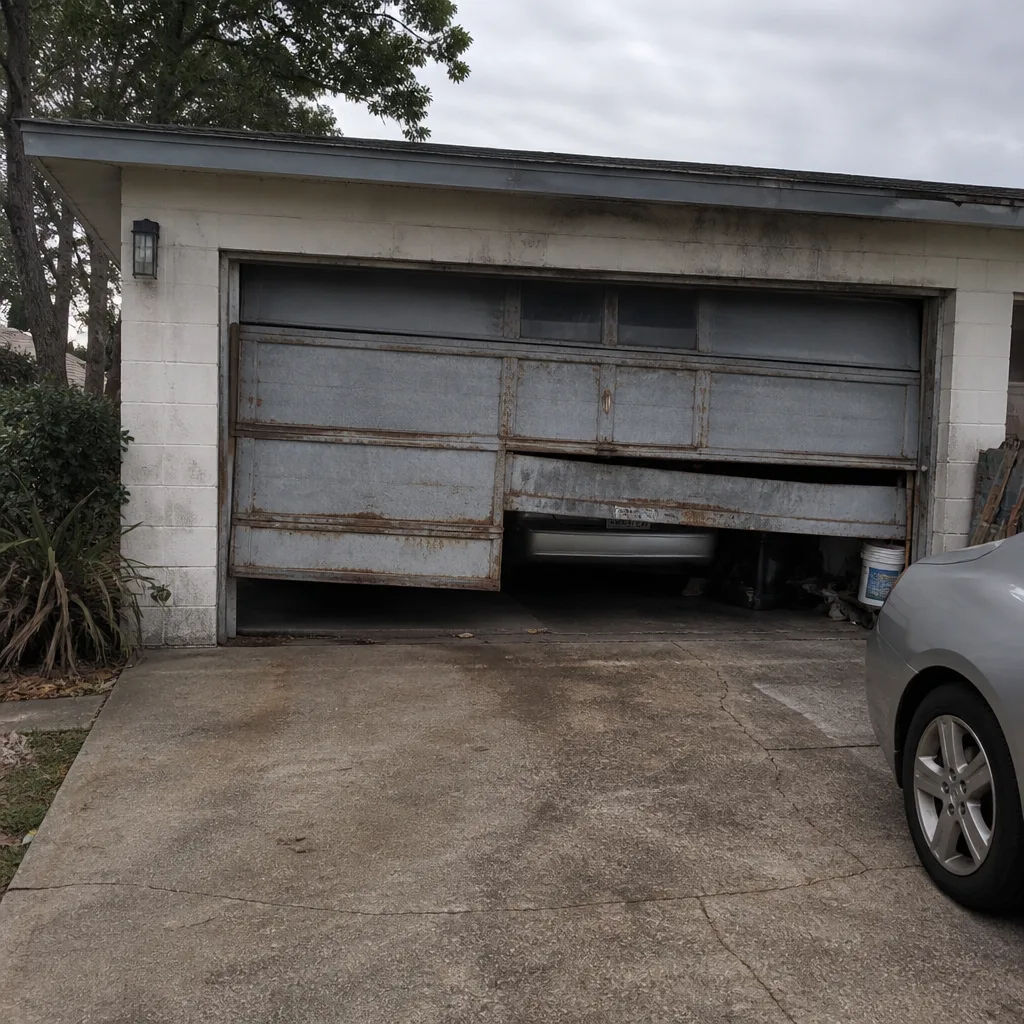 Before
 After
 Before
 After
 Before
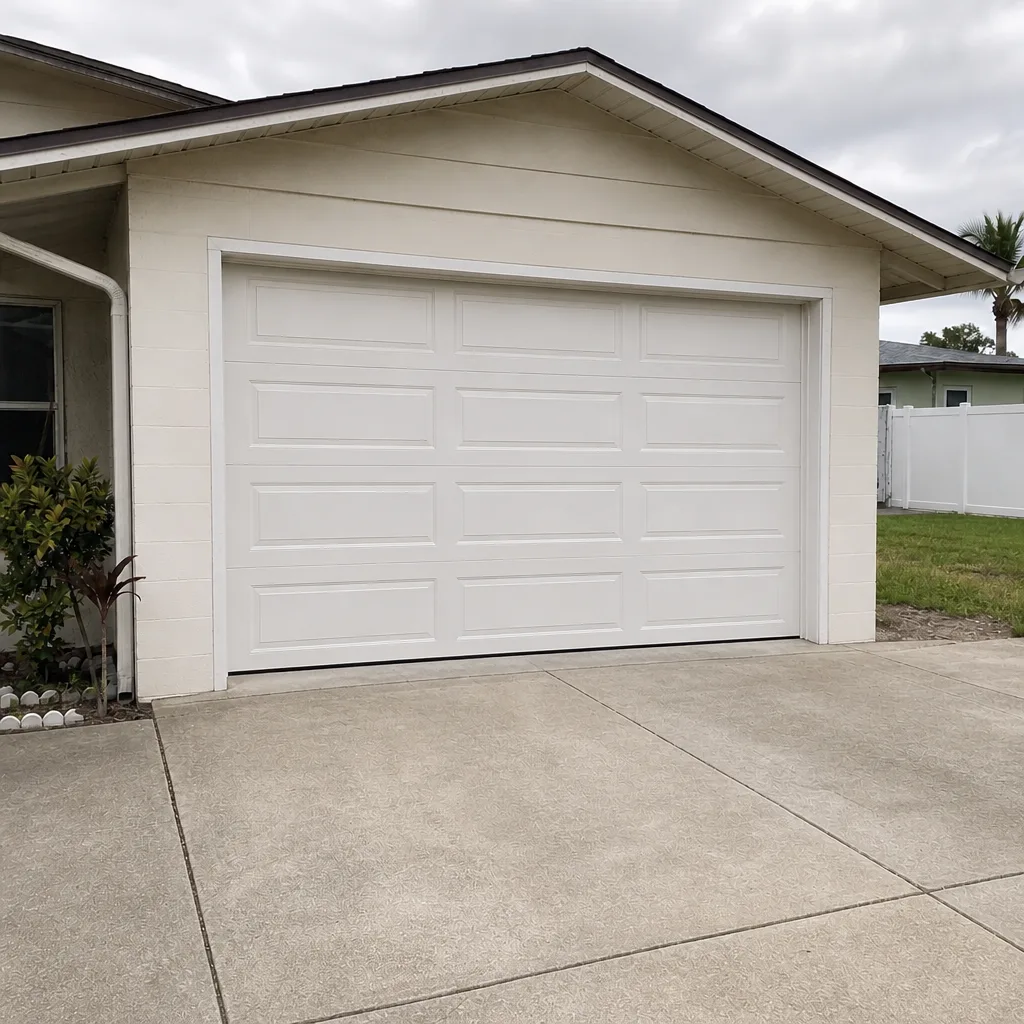 After
When to Call a Professional
Some maintenance should stay in your hands, and some shouldn’t. Call a trained technician if the door won’t open or close, if you’ve heard a loud snap and the door is stuck, if the springs look broken or the cables look frayed, if the door is visibly out of balance, or if the opener’s sensors are aligned and lit but the door still won’t close. Handling torsion springs, cables and opener internals yourself is how people get hurt; the routine lubrication and visual inspections in this guide are where homeowner skills belong. Garage Door Repair Pinellas Park offers free estimates in Pinellas Park and will diagnose the door properly the first time, whether it’s a LiftMaster opener acting up or a whole door that needs replacing. If the door won’t close safely or is stuck open, our emergency service is available so call us. Call (833) 868-2268 to get started.
Frequently Asked Questions
A light check monthly, a deeper lubrication and inspection quarterly, and a seasonal tune-up going into the wet season and the dry season. The year-round humidity and UV exposure in Pinellas Park means a once-a-year routine isn’t enough for the springs, seals and sensors.
A purpose-made garage door spring lubricant or lithium grease spray, never WD-40 or penetrating oil. Spring lubricant clings to the coil and helps hold back corrosion in humid air; penetrating oil strips the protective coating and leaves the spring more exposed.
You can and should inspect springs visually, but never touch, adjust or replace them. Torsion springs are under extreme tension and can cause serious injury to anyone without training. A visual check for a coil gap, sagging or a door that won’t lift is the safe limit for homeowners.
The safety sensors usually lose alignment from the vibration of a nearby strike or a power surge through the opener. Check both sensor lights, wipe the lenses and align them until both are steady, then test the door. If it still won’t close with aligned sensors, call a technician to look at the opener.
Run your hand along the closed door’s bottom edge and perimeter. If the rubber feels stiff, cracked or flattened, or if you can see daylight around the closed door, it’s time to replace it. In Pinellas Park, seal replacement matters most before the wet season arrives.
A professional tune-up covers lubricating springs, hinges and rollers, checking balance and spring tension, tightening hardware, testing the opener’s safety sensors and auto-reverse, and inspecting seals and tracks. If a component like a spring or opener needs repair, we quote it in writing before any work starts. Call (833) 868-2268 for a free estimate.
The Bottom Line
Garage door maintenance in Pinellas Park comes down to adjusting a standard checklist for the climate you actually live in. Run the monthly safety checks, lubricate springs and hardware more often than a national guide suggests, use the right product on each component and never put WD-40 on a spring, and treat bottom seals and weatherstripping as your front line against the wet season. Move the heavier inspections into the dry months and the seal checks into the wet ones. The reward is a door that runs quietly, holds its balance, keeps the rain out, and lasts far longer than one left on a once-a-year routine.
Our technicians have up to 15 years of experience across every major residential garage door brand, and every technician specializes in garage doors alone. If your checklist uncovers anything that needs a trained hand, or your door needs a full tune-up, garage door repair is a phone call away. Call (833) 868-2268 for a free estimate.
Written by the team at Garage Door Repair Pinellas Park.