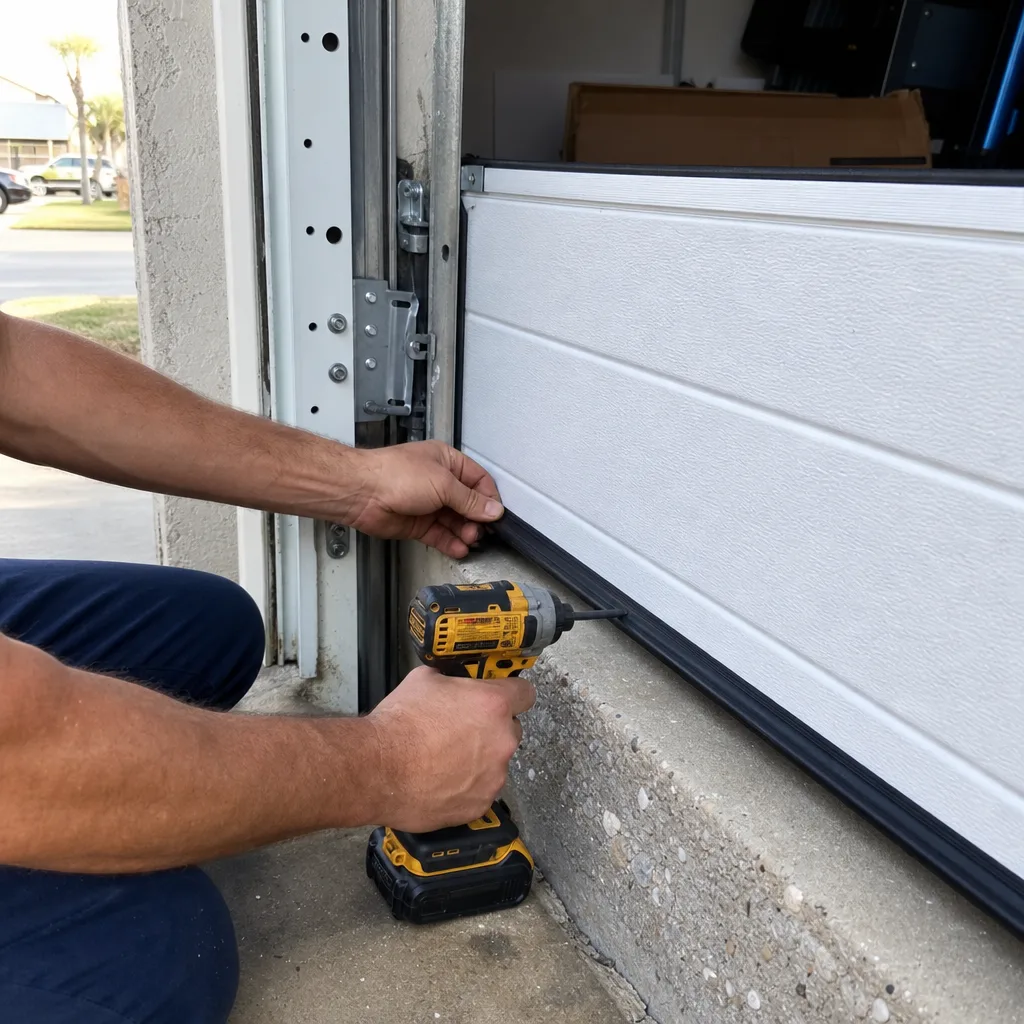
Last updated November 23, 2026
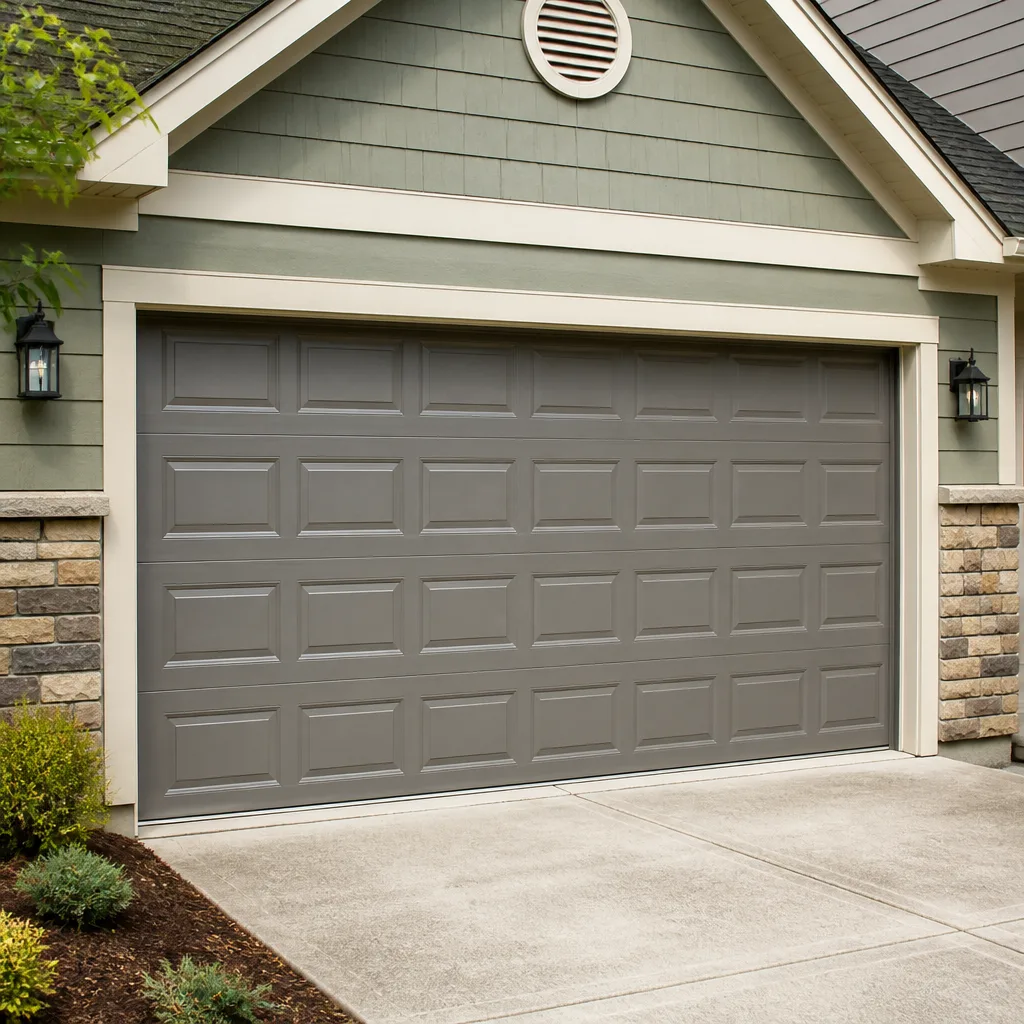 Raised-panel steel
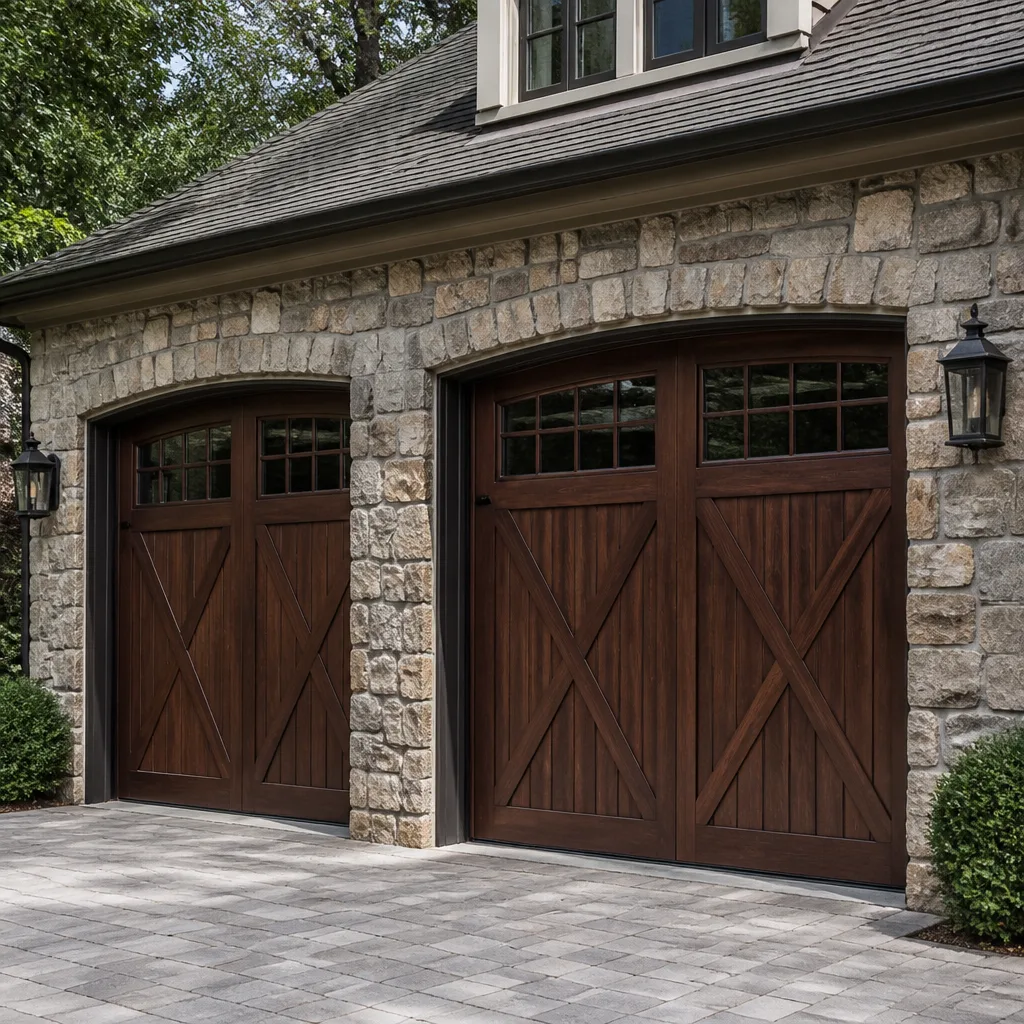 Carriage house
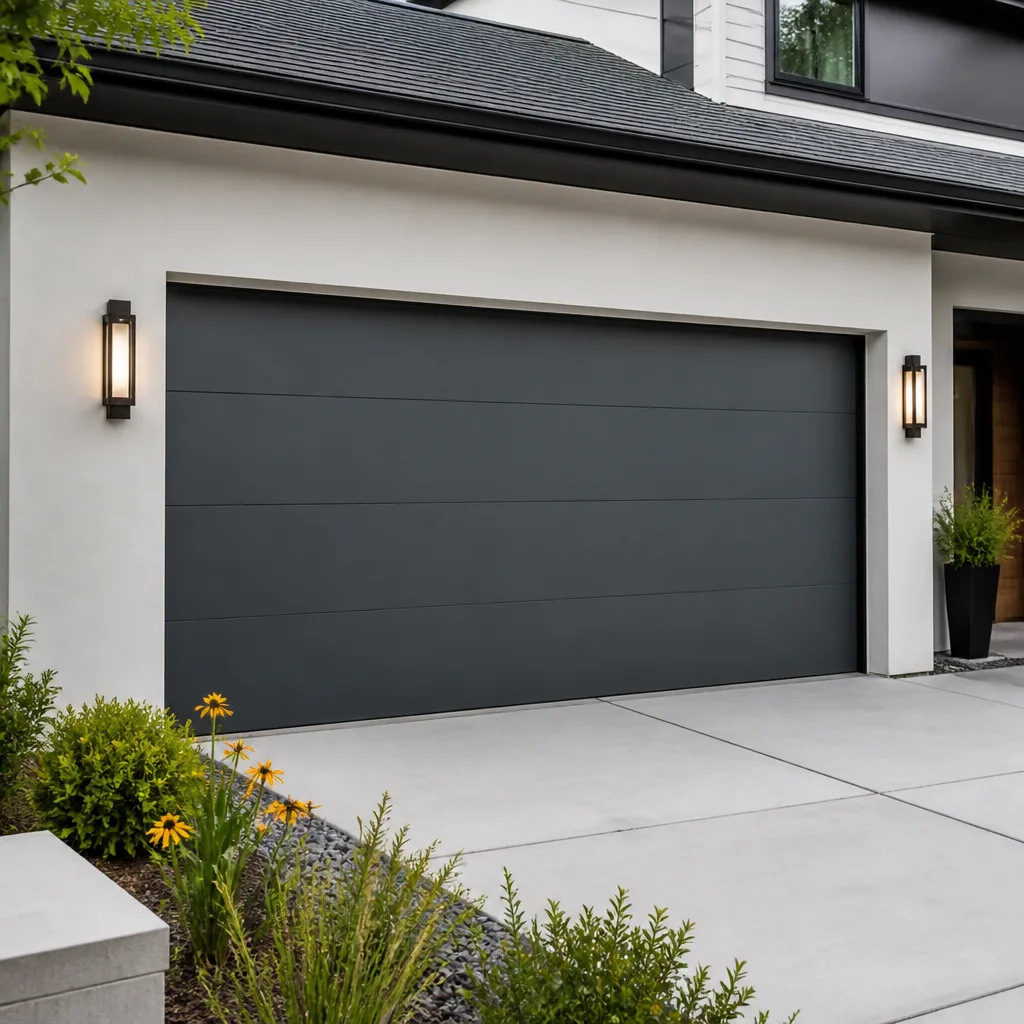 Modern flush
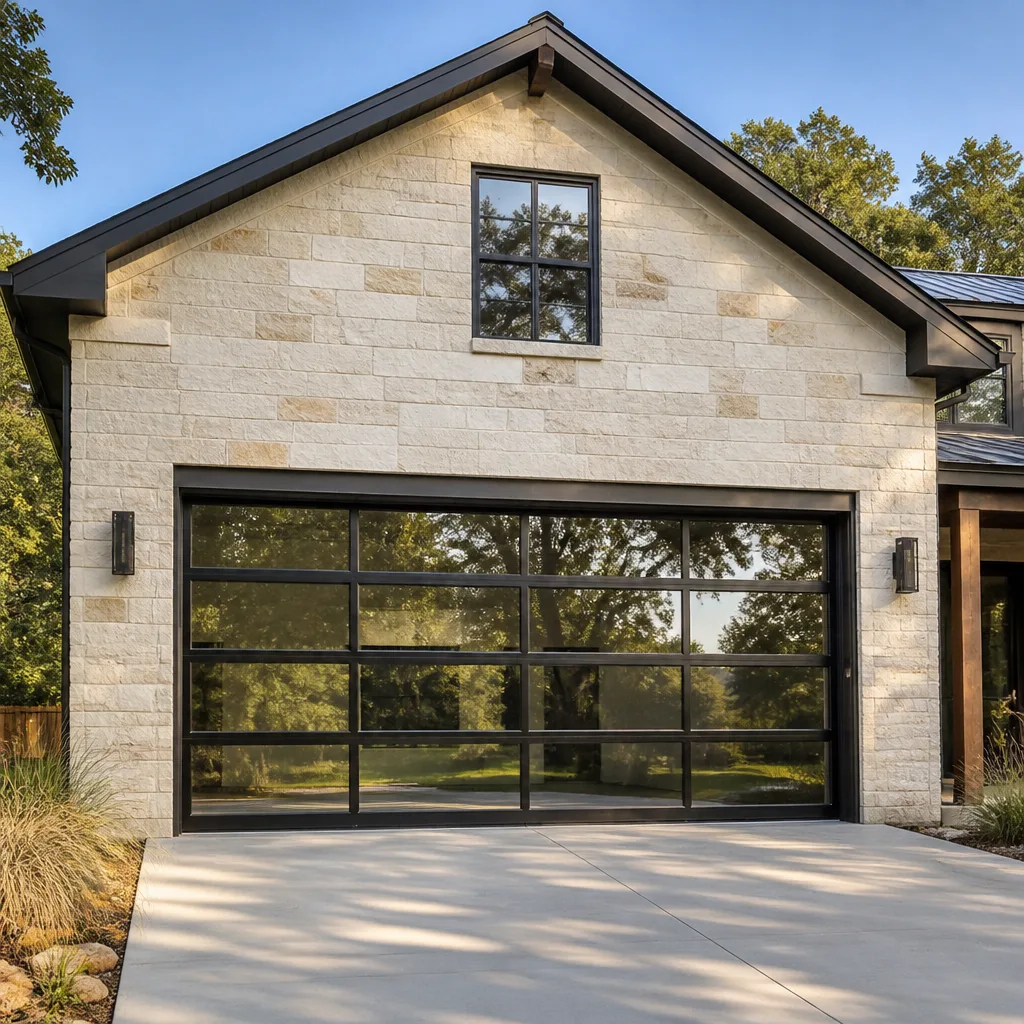 Full-view glass
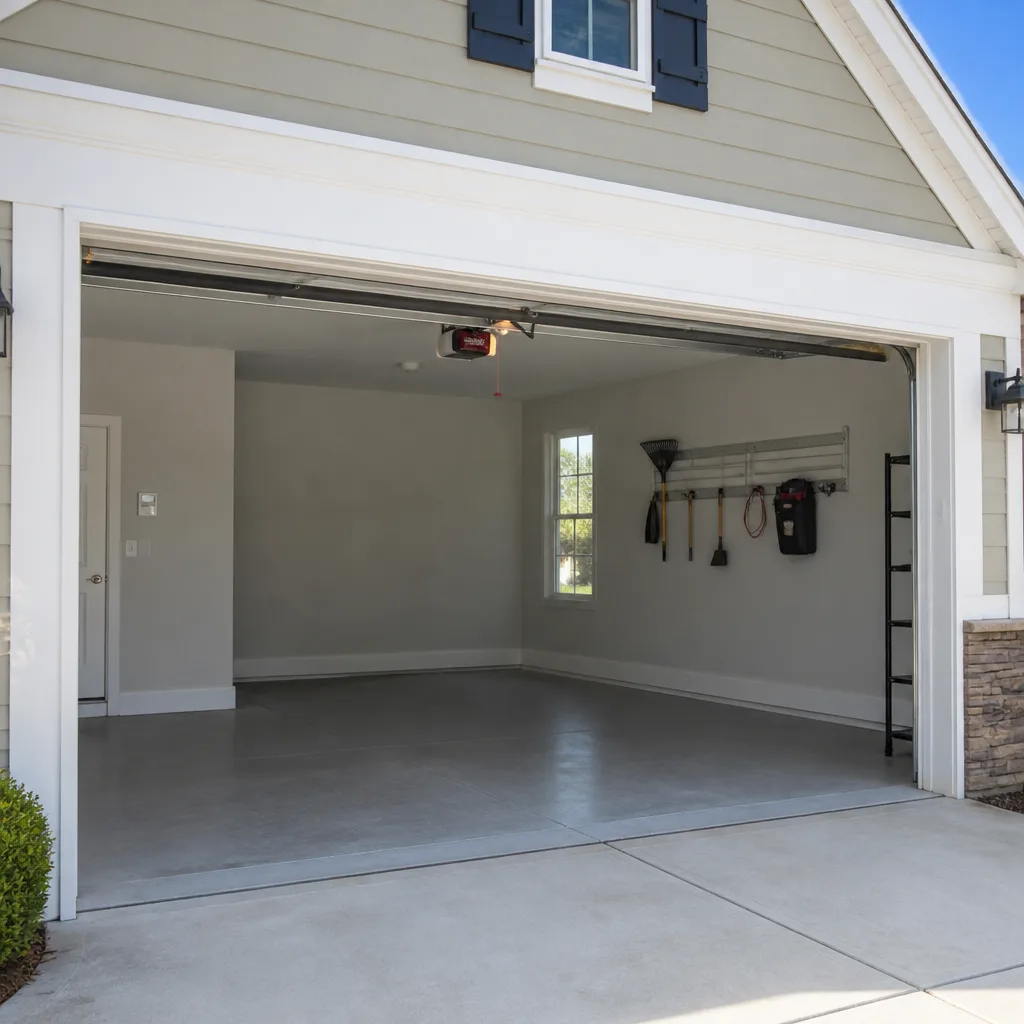 LiftMaster openers
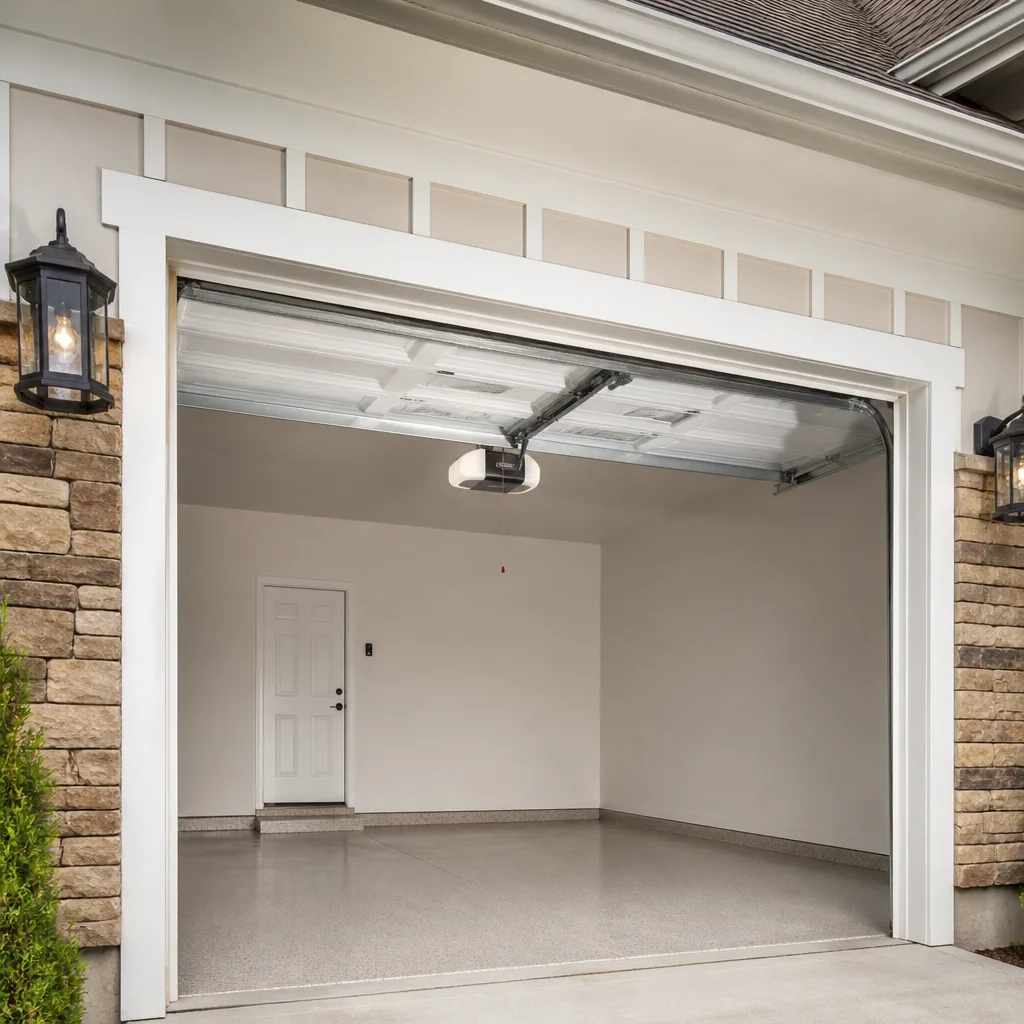 Chamberlain openers
Full 25-point door and opener safety check with every visit - springs, cables, rollers, tracks, and your LiftMaster or Chamberlain opener included
You get a price before we start. It does not change when the pro arrives.
Get your free estimateHow to Hire a Garage Door Contractor in Pinellas Park: A Step-by-Step Guide
Most homeowners hire a garage door contractor the same way they hire a painter: three quotes, the middle price, done. That approach gets people into trouble here. Florida lets handymen take on smaller home repairs under a cost threshold, and that line between “maintenance” and “work that needs a licensed specialty contractor and a permit” is exactly where garage door projects fall apart. A torsion spring carries lethal tension. A new door has to hold against wind loads. When the person who quoted you the lowest number can’t legally pull the permit or sign off on the install, you find out after the fact. This guide covers how to check a Florida license in a couple of minutes, what a real written estimate looks like in Pinellas Park, and the storm-season warning signs that separate a pro from a opportunist.
Quick Answer
To hire a garage door contractor in Pinellas Park, verify the contractor’s license through the Florida DBPR portal before you sign anything, confirm they’ll pull any required permit in their own name, and insist on a written estimate that itemizes parts by brand and model, labor, and permit fees. Choose a single-trade garage door specialist who can service your specific system (LiftMaster, Chamberlain, Clopay, and the rest) rather than a general handyman. Never let anyone start work on high-tension springs or a new door install without that paperwork in hand.
Styles & brands we work with
- Raised-panel steel
- Carriage house
- Modern flush
- Full-view glass
- LiftMaster openers
- Chamberlain openers
Table of Contents
- Why hiring a garage door contractor in Pinellas Park is different
- How to verify a Florida garage door contractor’s license in under two minutes
- Licensed specialty contractor vs. handyman: when it legally matters
- What a legitimate written estimate must include
- Brand access and why it protects your door
- Storm-season red flags in the Tampa Bay area
- Questions to ask before you hire
- Common mistakes to avoid
- When to call a professional
- Frequently asked questions
Why Hiring a Garage Door Contractor in Pinellas Park Is Different
Pinellas Park sits in a county where the housing stock is dense, the lots are close together, and the weather does most of the talking. Summer heat and humidity work on steel, wood, and the lubricants inside your opener year-round. That’s a maintenance reality, not a sales pitch. It shapes what a garage door contractor actually does here: more opener electronics calls, more spring fatigue, more panel and track alignment after a heavy storm rolls through the peninsula.
The bigger local wrinkle is regulatory. Florida draws a distinction between a licensed contractor and a handyman, and garage door work can fall on either side of that line depending on scope. A spring swap on an existing door and a full new-door installation are not the same job in the eyes of a building department. Neither is a simple opener replacement. If you don’t know which category your project lands in, you can’t tell whether the quote in front of you comes from someone qualified to do it.
Pinellas Park also has a housing mix that matters for parts. Older block homes and newer construction sit a few streets apart, and the doors on them vary widely: heavier older steel doors, newer insulated panels, a range of opener generations from the big brands. A contractor who knows the door systems installed across this city can diagnose on the first visit rather than guessing and ordering. That’s the practical value of brand range, and it’s why we service all major residential brands like LiftMaster, Chamberlain, Genie, Clopay, Amarr, Wayne Dalton, Craftsman, and Raynor rather than specializing in one.
When a door fails and a car is trapped or the house is standing open, the vetting question changes. You need someone who can respond, but you still need a licensed professional. Emergency availability is worth nothing if the person who shows up isn’t qualified to touch the mechanism. That balance (speed plus credentials) is the whole game in Pinellas Park.
How to Verify a Florida Garage Door Contractor’s License in Under Two Minutes
You can check a Florida contractor’s license through the Department of Business and Professional Regulation (DBPR) license lookup in about the time it takes to make coffee. It’s free, it’s public, and it’s the single most useful five minutes you’ll spend before hiring anyone in Pinellas Park. Here’s the process.
- Get the license number in writing. Ask for it before the estimate, not after. A licensed contractor gives it without hesitation. A handyman working under a threshold usually can’t.
- Open the DBPR license lookup portal. Search by license number, or by the business name and county if you only have the company name.
- Match the name and status. The name on the license should match the name on your estimate and the name on the contract. “Active” is what you want. Suspended, revoked, or “null and void” means walk away.
- Check the license type and scope. Confirm the classification covers the work you’re hiring for. A license that doesn’t cover garage door installation tells you this isn’t the right contractor for a new door.
- Confirm insurance and workers’ compensation. Ask for a certificate of insurance and verify it’s current. If a worker is injured on your property and the contractor isn’t covered, the problem lands at your door.
One thing to watch for: a legitimate business name and a license number that belong to two different entities. The license has to attach to the person or company doing the work, not to a subcontractor you never met. If the names don’t line up, ask why before anyone schedules anything.
This step alone filters out most of the problems homeowners run into. When you search for Garage Door Repair Pinellas Park, a few minutes on the DBPR site tells you whether the company you’re considering can actually stand behind the job. We tell every homeowner to run this check on us too. It’s the fastest way to know who you’re dealing with.
Licensed Specialty Contractor vs. Handyman: When It Legally Matters
Here’s the honest answer: it depends on scope, and scope is where people get burned. Florida permits unlicensed handymen to perform certain home repairs under a cost threshold, which is why the cheapest quote you get for a “garage door fix” may come from someone legally unqualified to pull a permit for the work you actually need. Whether that matters depends on what’s being done.
Scope that generally calls for a licensed specialty contractor:
- A full door replacement or new installation, especially one that has to meet wind-load requirements and be inspected
- Structural changes to the opening, the framing, or the attachment of the track and spring system
- Any job where the building department requires a permit, which a handyman working under a threshold cannot legally pull in his own name
Scope that often falls to routine maintenance:
- Lubrication, tightening hardware, and adjusting travel limits on an opener
- Replacing a remote, re-pairing a keypad, or resetting a wall control
- Basic visual checks and minor adjustments that don’t alter the mechanism
The trouble zone is the middle. A spring replacement on a torsion system is not routine maintenance. It involves a wound spring holding enormous stored energy, and it deserves a trained professional. If a handyman offers to handle it cheaply, that’s your signal to ask about his credentials. Same with opener electronics on a LiftMaster or Genie unit that involves line-voltage wiring. Electrical work belongs to someone qualified, full stop.
When in doubt, call the Pinellas Park building department and ask whether your project needs a permit. That call resolves the handyman-versus-contractor question faster than any quote comparison. A legitimate garage door contractor will pull the permit in his own name and include the fee in the written estimate. A handyman can’t. That single difference tells you a lot about who’s standing in front of you.
What a Legitimate Written Estimate Must Include
A written estimate in Pinellas Park is more than a number on a napkin. It’s the document that protects both sides when the door is off the track and the opener is wired in. A vague quote is a future dispute. A detailed one is a plan. Here’s what ours look like, and what yours should.
What a proper estimate itemizes:
- Parts by brand and model. Not “spring,” but the spring type, size, and brand. Not “opener,” but the exact model (LiftMaster, Chamberlain, Genie, whichever applies). This matters because a discontinued or gray-market part changes the price and the lifespan.
- Labor separated from parts. You should see what you’re paying for the work versus the hardware. Bundled lump sums obscure whether a quote is cheap on parts and heavy on labor, or the reverse.
- Permit fees, if any. If the job requires a permit, the fee belongs on the estimate. A contractor who “handles it” without listing it is either eating a cost or skipping the permit.
- Door or system specifications. For a new install, the door brand, panel style, insulation, and wind-rating details. For a repair, the make and model of the existing system so the parts match.
- Scope and exclusions. What’s covered and, just as important, what isn’t. Track alignment included? Old door haul-away? Opener reprogramming after the install?
- A stated price and what triggers a change. The final price should be the written estimate. If hidden rot, a bent track, or a mis-sized opening is discovered, that’s a conversation before work continues, not an invoice surprise at the end.
Ask for the estimate in writing and read the exclusions. The two most common disputes we see are mismatched parts and surprise fees. Both disappear when the document does its job. A written estimate that states the price, the parts, and the scope is the standard, and you should hold any contractor in Pinellas Park to it.
One more thing: the price is quoted and agreed before any work starts. That’s not a courtesy, it’s the baseline. If a contractor won’t put a firm written price in front of you before touching the door, keep looking.
Brand Access and Why It Protects Your Door
Brand access is the quiet differentiator most homeowners never think to ask about. A garage door is a system: the panels, the track, the spring, and the opener all have to work together. Contractors without dealer relationships may install gray-market parts, discontinued models, or generic substitutes that fit at the moment but fail sooner. When you’re comparing quotes in Pinellas Park, ask which brands the contractor works with and whether the parts come from authorized channels.
We work on your brand. That means when a LiftMaster opener’s logic board fails or a Clopay panel needs replacing, we know the system rather than treating it as a first encounter. Certified familiarity with the major residential brands (LiftMaster, Chamberlain, Genie, Clopay, Amarr, Wayne Dalton, Craftsman, and Raynor) isn’t a marketing line, it’s a practical advantage: the technician arrives knowing your door’s mechanism, its common failure points, and which parts are the right match. That cuts down on return visits and mismatched replacements.
Why it matters for installation, specifically:
- Wind-rated panels need the right match. A new door in this part of Florida has to meet load requirements, and the panel you choose has to be rated for the opening it goes on. A contractor who only carries one brand can’t offer you that fit.
- Opener-to-door compatibility. A heavier insulated door needs an opener rated for the weight and travel. Off-brand openers without dealer support leave you hunting parts when something fails.
- Warranty integrity. Gray-market parts can void a manufacturer warranty. Authorized channels protect it.
Ask the question directly: “Which brands do you work with, and are the parts sourced through authorized channels?” A specialist answers without flinching. A generalist changes the subject. When it’s time for garage door opener repair, brand fluency is the difference between a repair that lasts and one that loops back in six months.
Storm-Season Red Flags in the Tampa Bay Area
Storm season brings out the opportunists. After a major weather event in the Tampa Bay area, the number of unlicensed and out-of-area contractors knocking on doors jumps. They show up fast, quote low, and disappear before the job’s done or the check clears. The pattern is predictable enough that you can spot it. Here’s what to watch for when hiring a garage door contractor in Pinellas Park.
- Pressure to decide on the spot. “This price is only good today” is a tactic. A real contractor gives you a written estimate and lets you read it.
- Cash-only and no paperwork. Legitimate businesses take checks, cards, and put the agreement in writing. A demand for cash with no written contract is a red flag you shouldn’t ignore.
- No verifiable license or insurance. Run the DBPR check. If the license number doesn’t check out, or the contractor dodges the question, walk away. This is the same check you’d run any time of year, but it’s most urgent after a storm.
- Out-of-area plates and no local address. A legitimately licensed contractor has a verifiable business presence. A crew that appeared overnight and can’t produce a license or insurance certificate is a risk to your home and your wallet.
- Quotes that don’t itemize. A storm-damage quote that’s one round number with no parts or labor breakdown is a setup for a dispute later.
- “We’ll pull the permit” but they can’t. If a handyman promises to handle a permit-required job, that promise is empty. Only a licensed contractor can pull the permit.
None of this is unique to garage doors, but the stakes are higher because the work involves tensioned springs, electrical openers, and wind-rated panels. A cheap job that voids your door’s wind rating or leaves a spring mis-sized is a liability, not a savings. The countermeasure is the same in any season: verify the license, get the written estimate, and don’t let urgency override the checklist. Pinellas Park sees enough storms that a little skepticism is just good practice.
Questions to Ask Before You Hire
A short list of questions separates a garage door specialist from a generalist fast. Ask them before you schedule, and listen to how the answers come back. Here are the ones that matter most in Pinellas Park.
- “What’s your license number, and can you show me it’s active through DBPR?” The answer should be immediate and verifiable. No hesitation.
- “Will you pull any required permit in your own name, and is the fee in the estimate?” This tells you whether the contractor is licensed to do the scope you need.
- “Which brands do you work with?” A specialist names specific systems. Ours covers the major residential brands, and we’ll tell you which parts are right for your door.
- “Is this a single-trade garage door business, or do you do other trades too?” Single-trade focus means every technician is a garage door specialist, not a handyman assigned to the job.
- “Can you handle springs, openers, panels, and a full install, or do I need separate contractors?” Full-spectrum capability means you don’t get handed off when the job grows. See our garage door spring repair page for the kind of safety-critical work that capability covers.
- “What does the written estimate include, and what would change the price?” The answer should name parts, labor, permits, and the conditions that trigger a change order.
- “Are you equipped for emergency calls when a door is stuck or won’t close?” Ask how emergency availability actually works, not just whether they offer it.
The pattern across all of these is documentation and specificity. A contractor who answers with names, brands, and a written number is the one to hire. The one who answers in generalities is the one to keep looking past. Now that we’ve covered how to vet, it’s worth talking about garage door repair itself: what a competent job looks like and when a repair is the right call versus a replacement.
Common Mistakes to Avoid
- Choosing on price alone. The cheapest quote often comes from someone legally unqualified to pull a permit or do the scope. A garage door is a safety system, not a bargain-bin purchase, and the difference in price reflects the difference in credentials.
- Skipping the DBPR check. It takes two minutes and it’s free. Homeowners in Pinellas Park who skip it are the ones who discover the licensing gap after the job is done and the contractor is gone.
- Accepting a verbal quote. A number you can’t point to on paper is a number that can change. Get the estimate in writing with parts, labor, and any permit fees itemized.
- Hiring a general handyman for spring or opener work. A torsion spring carries lethal stored energy, and opener wiring is line-voltage work. These belong to a trained professional, not a handyman working under a cost threshold.
- Letting brand access go unverified. A contractor who can’t source authorized parts may install gray-market or discontinued components that fail early and can void a warranty. Ask which brands they work with and where the parts come from.
- Ignoring storm-season warning signs. Pressure to decide on the spot, cash-only demands, and out-of-area crews with no verifiable license are the patterns to watch for after a Tampa Bay weather event.
- Assuming a permit isn’t needed. A new install or structural change usually needs one, and a handyman can’t pull it. Call the Pinellas Park building department if you’re unsure.
When to Call a Professional
Some garage door problems are annoying. Others are dangerous. Call a professional the moment a door is stuck open (your home is exposed), won’t close all the way, or comes off one track. Call immediately if a spring snaps or you hear a loud bang from the mechanism: that’s a tensioned spring failing, and the door should stay closed and untouched until someone qualified evaluates it. Never try to adjust or remove a torsion spring yourself. The stored energy can cause serious injury. The same caution applies to opener wiring that involves line-voltage connections, which belongs to someone qualified.
Less urgent but still worth a call: a door that reverses unexpectedly, an opener that loses its settings, or a panel that’s out of alignment after a storm. These are the jobs where a brand-fluent specialist saves you a return visit. Garage Door Repair Pinellas Park offers free estimates in Pinellas Park. Call (833) 868-2268 for a written price before any work starts.
Frequently Asked Questions
It depends on scope, but for a new install, structural change, or any permit-required job, yes, you need a licensed specialty contractor. Routine maintenance like lubrication or remote pairing can often fall to a handyman, but spring work and opener electronics deserve a trained professional. When in doubt, ask the Pinellas Park building department whether your project requires a permit. Call (833) 868-2268 for a free estimate.
Use the Florida DBPR license lookup portal, which is free and public. Search by license number or by business name and county, then confirm the name matches your estimate and the status reads “active.” A licensed contractor gives the number without hesitation. If the status is suspended or revoked, walk away.
Spring replacement on a torsion system is safety-critical work with lethal stored energy, and it should go to a trained professional, not a handyman working under a cost threshold. A licensed specialty contractor is the right call. Spring work also often ties into permit and code questions depending on scope, so verify credentials before anyone touches the mechanism. Call (833) 868-2268 for a free estimate.
Brand access means the parts come through authorized channels rather than gray-market or discontinued substitutes that fit now but fail sooner and can void a warranty. A specialist who works with the major brands (LiftMaster, Chamberlain, Genie, Clopay, and others) knows your system and matches parts correctly. Ask which brands they work with and where the parts come from.
It should itemize parts by brand and model, labor separated from parts, any permit fees, the door or system specifications, and the scope with exclusions. It should also state the price and what would trigger a change. The price you agree to in writing is the price you pay. Call (833) 868-2268 for a free written estimate.
Watch for pressure to decide on the spot, cash-only demands with no paperwork, out-of-area crews with no verifiable license, and quotes that don’t itemize. Run the DBPR check on any contractor and confirm insurance is current. A legitimate contractor has a verifiable business presence and doesn’t rush you. Call (833) 868-2268 to schedule a no-pressure estimate.
The Bottom Line
Hiring a garage door contractor in Pinellas Park is a credentials question first and a price question second. Verify the license through DBPR, confirm a permit will be pulled in the contractor’s own name if your job needs one, and insist on a written estimate that itemizes parts by brand and model, labor, and permit fees. Choose a single-trade garage door specialist who works on your brand rather than a general handyman. Watch for the storm-season red flags and don’t let urgency override the checklist. Do these things and the job gets done right the first time.
When you’re ready, call Garage Door Repair Pinellas Park at (833) 868-2268 for a free estimate. We’ll walk you through your options, answer your questions about springs, openers, and panels, and put a written price in front of you before any work starts.
Written by the team at Garage Door Repair Pinellas Park.
See the difference
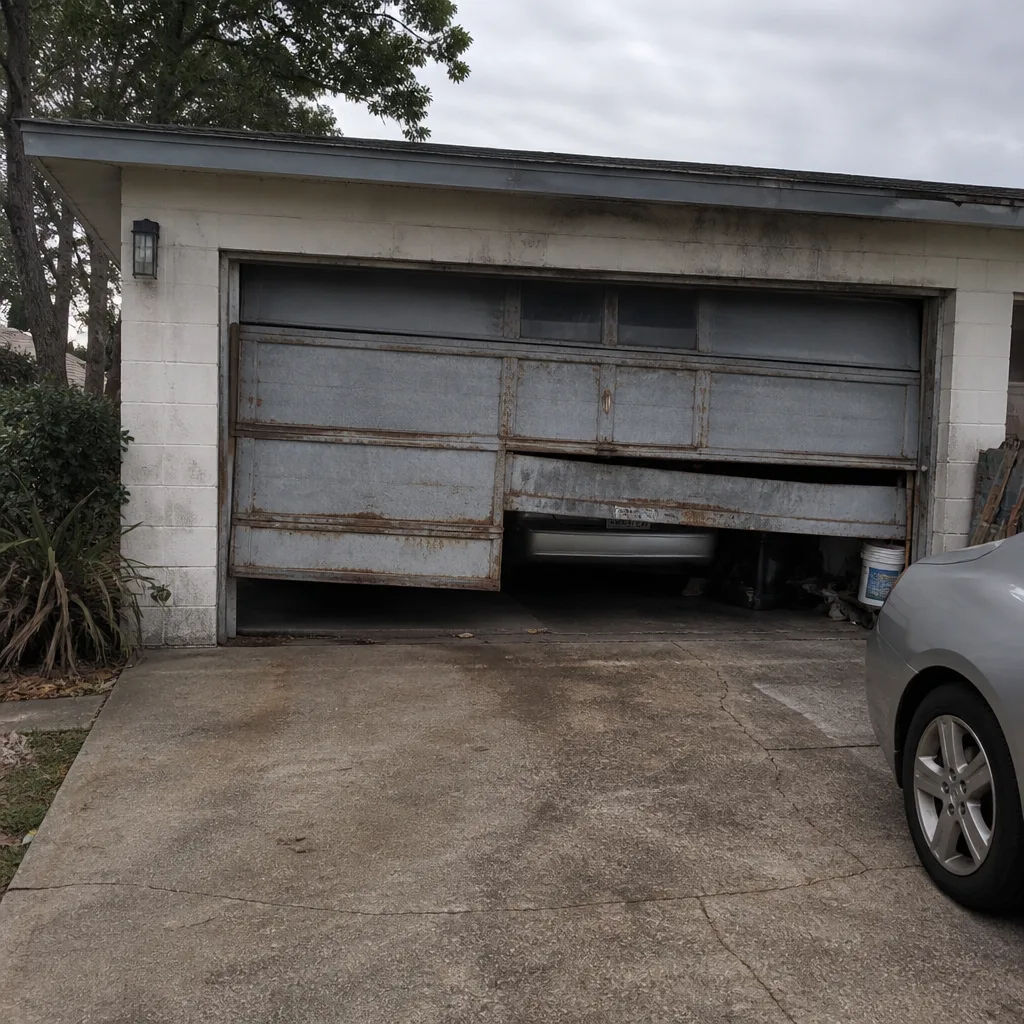 Before
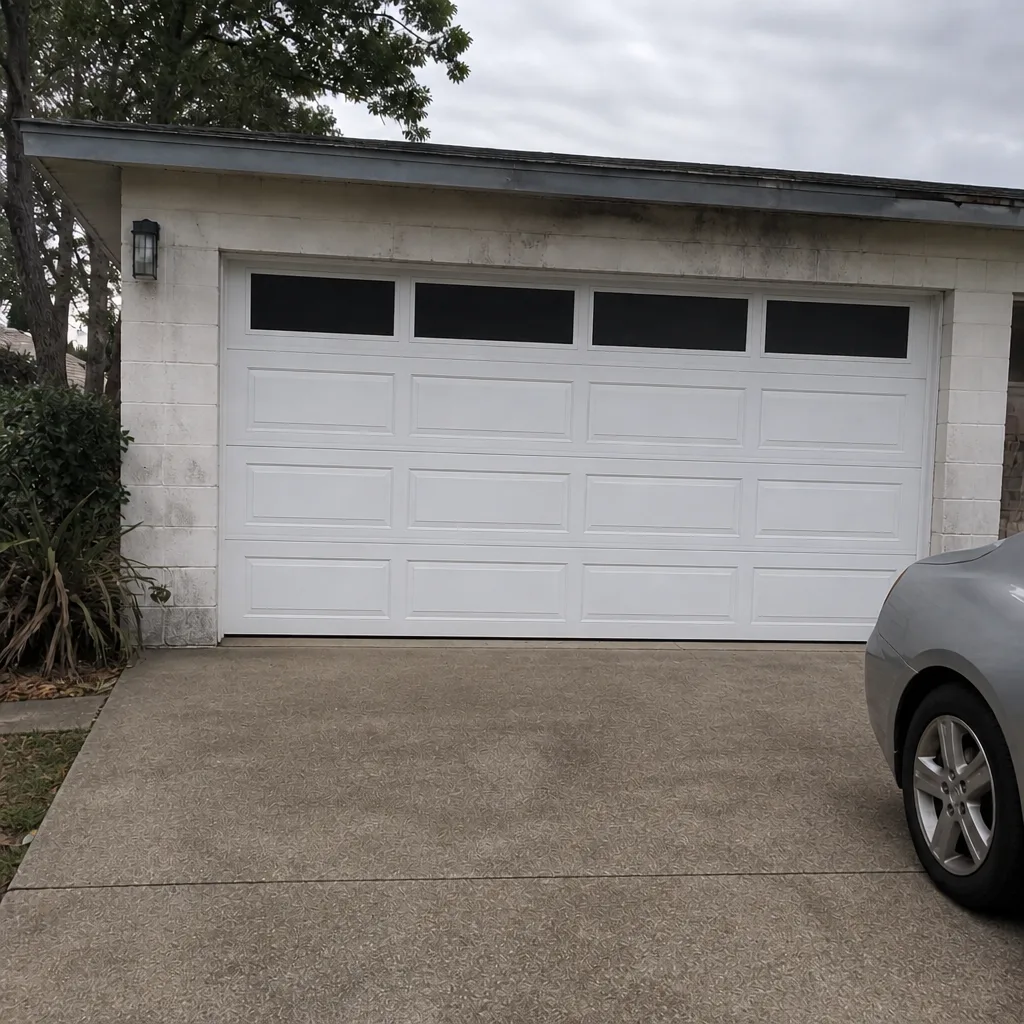 After
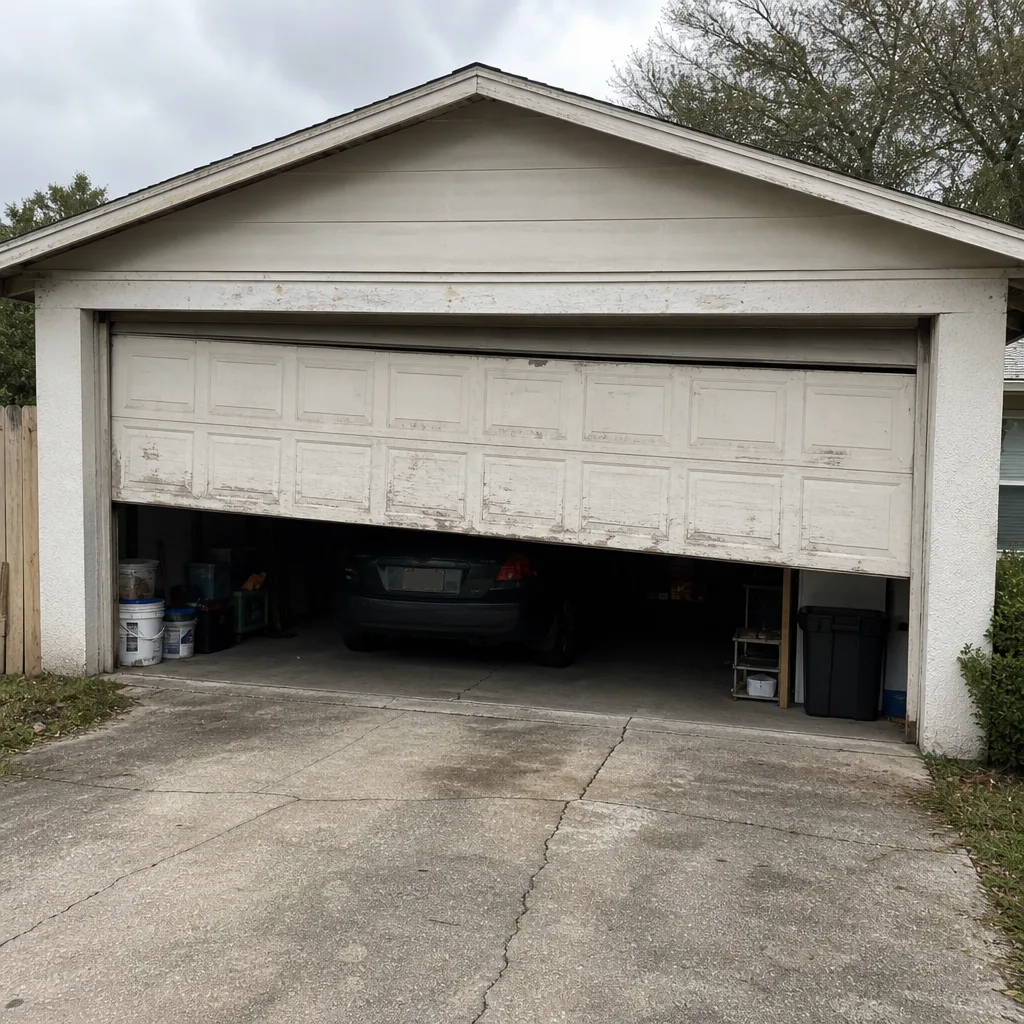 Before
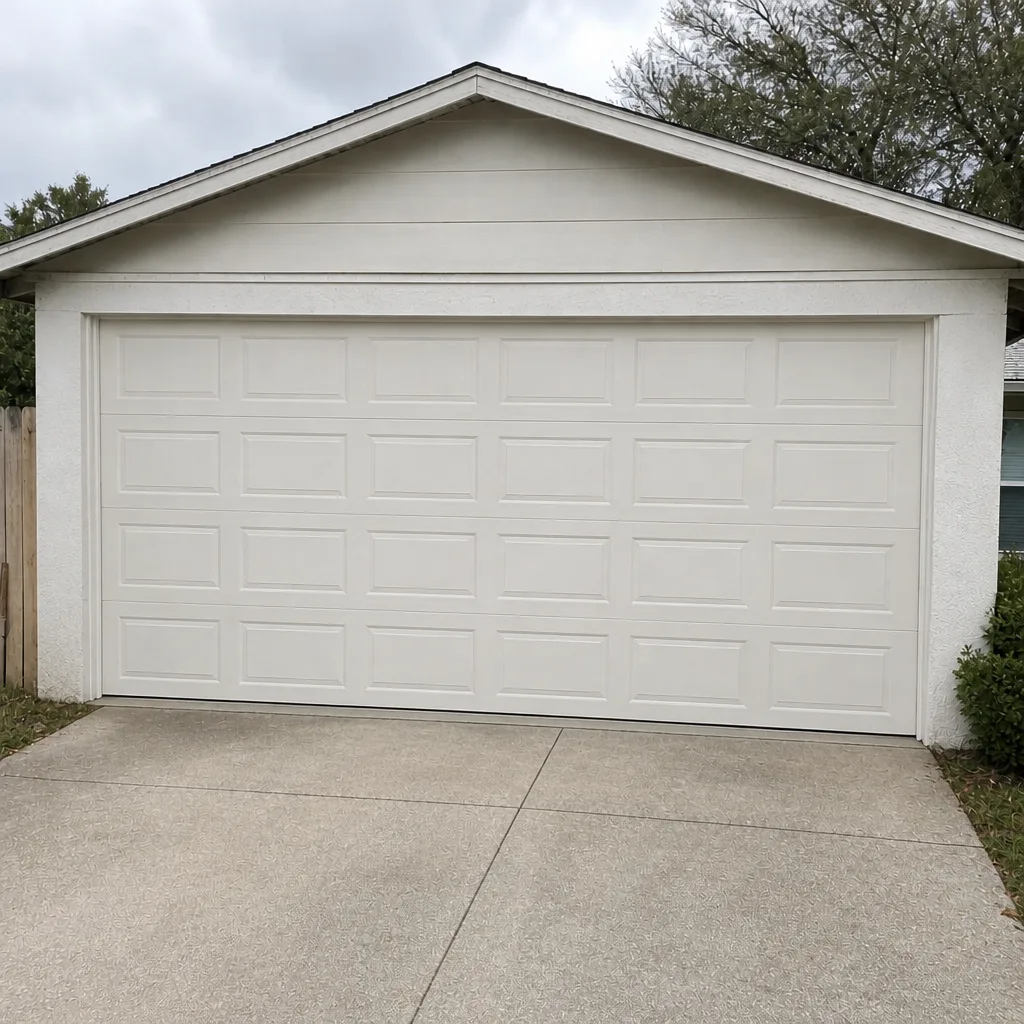 After
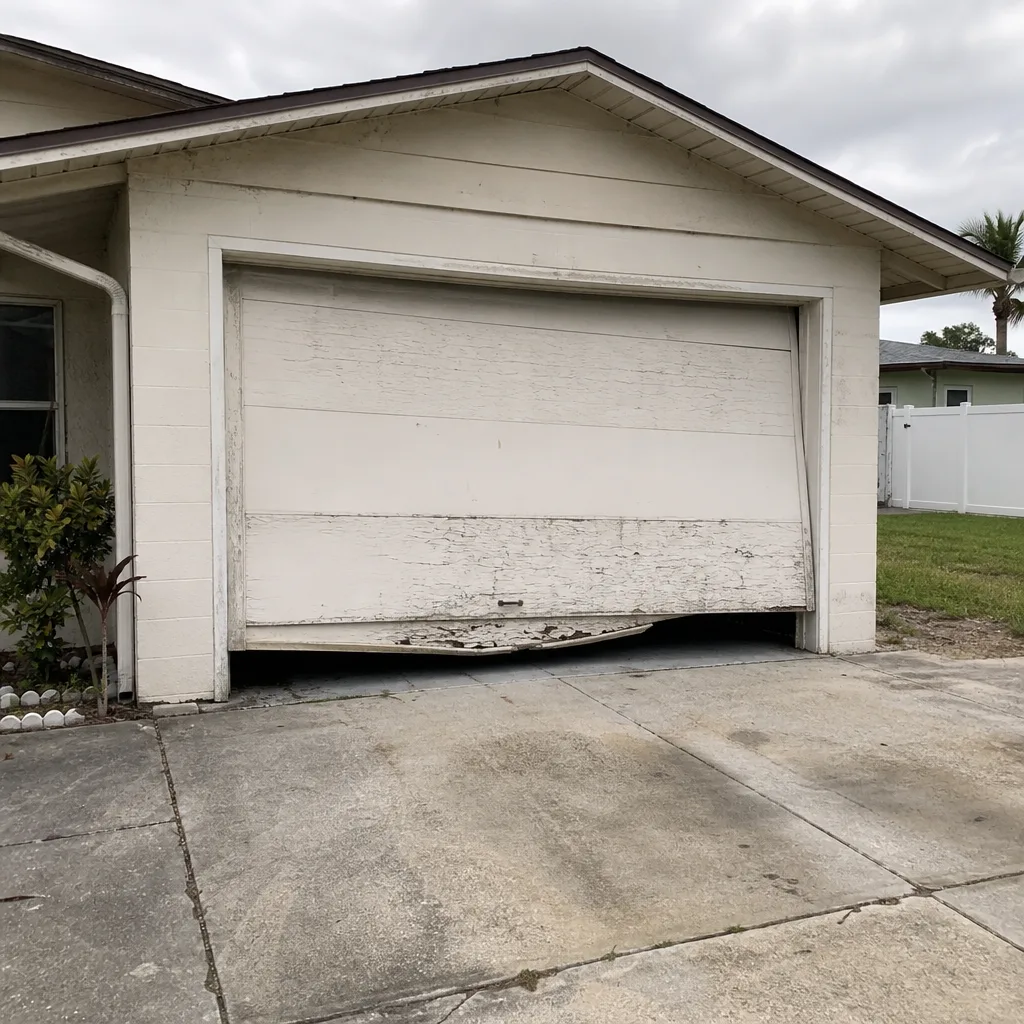 Before
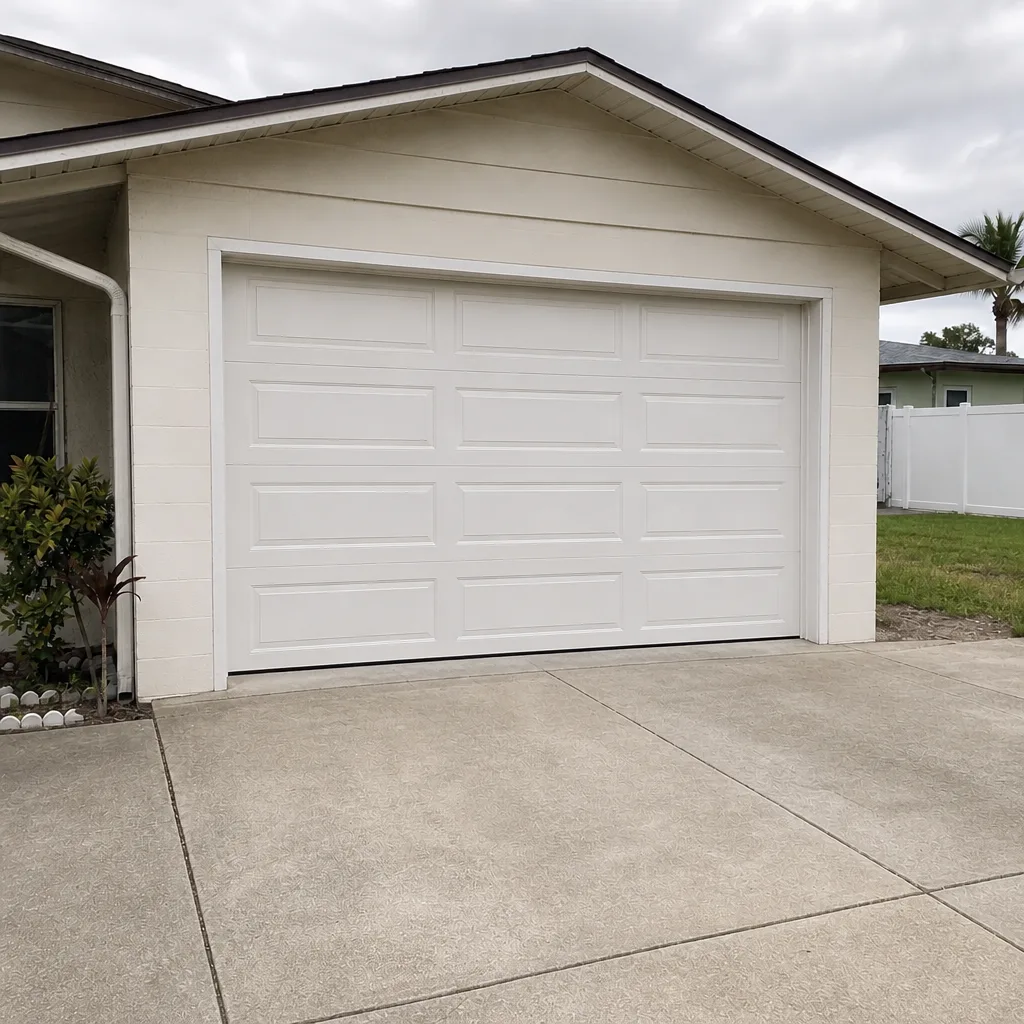 After