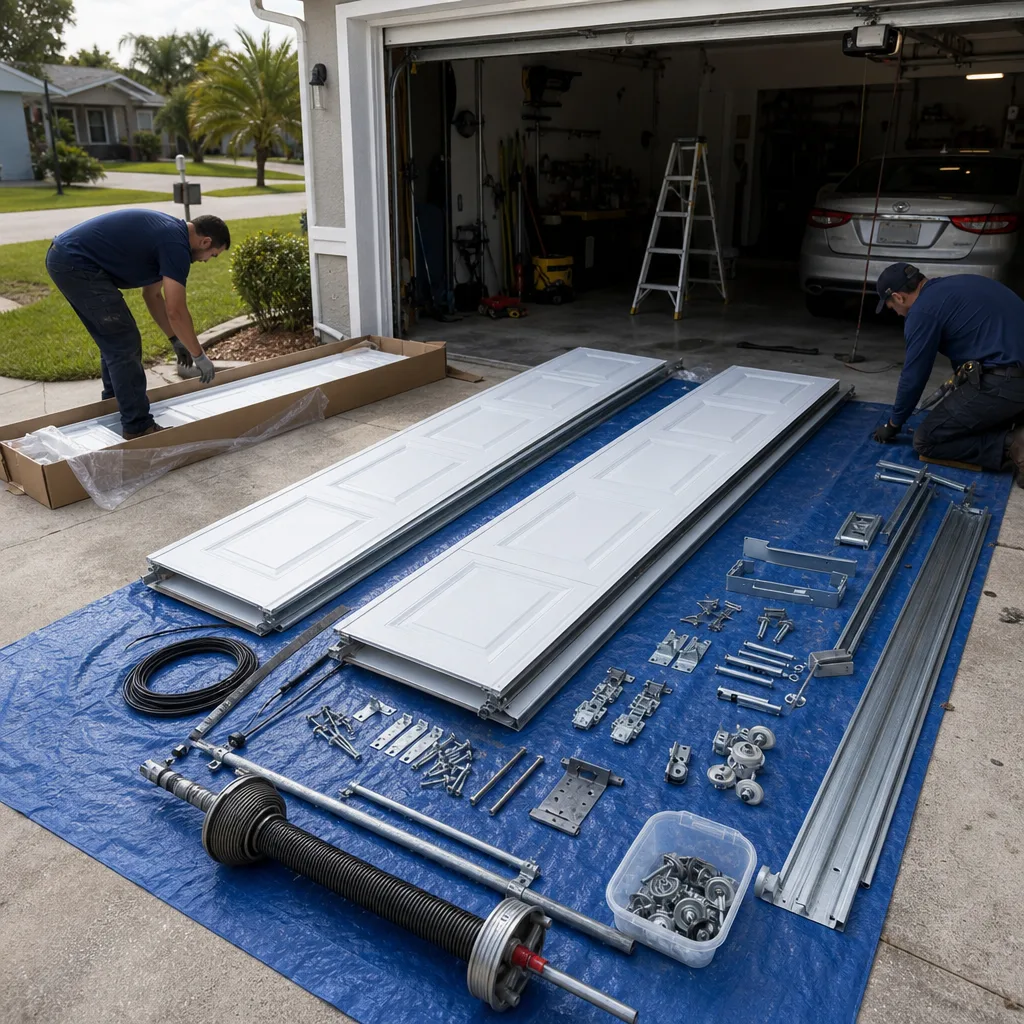
Last updated November 23, 2026
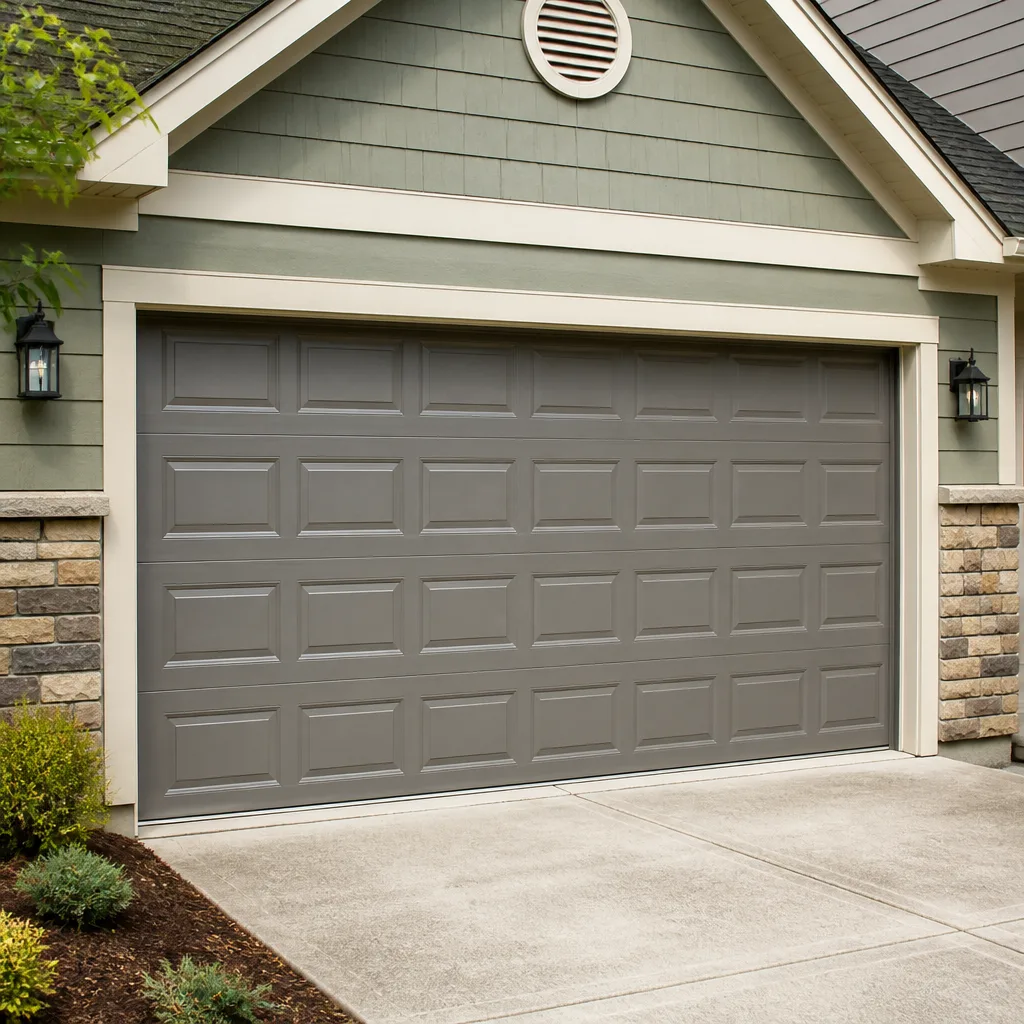 Raised-panel steel
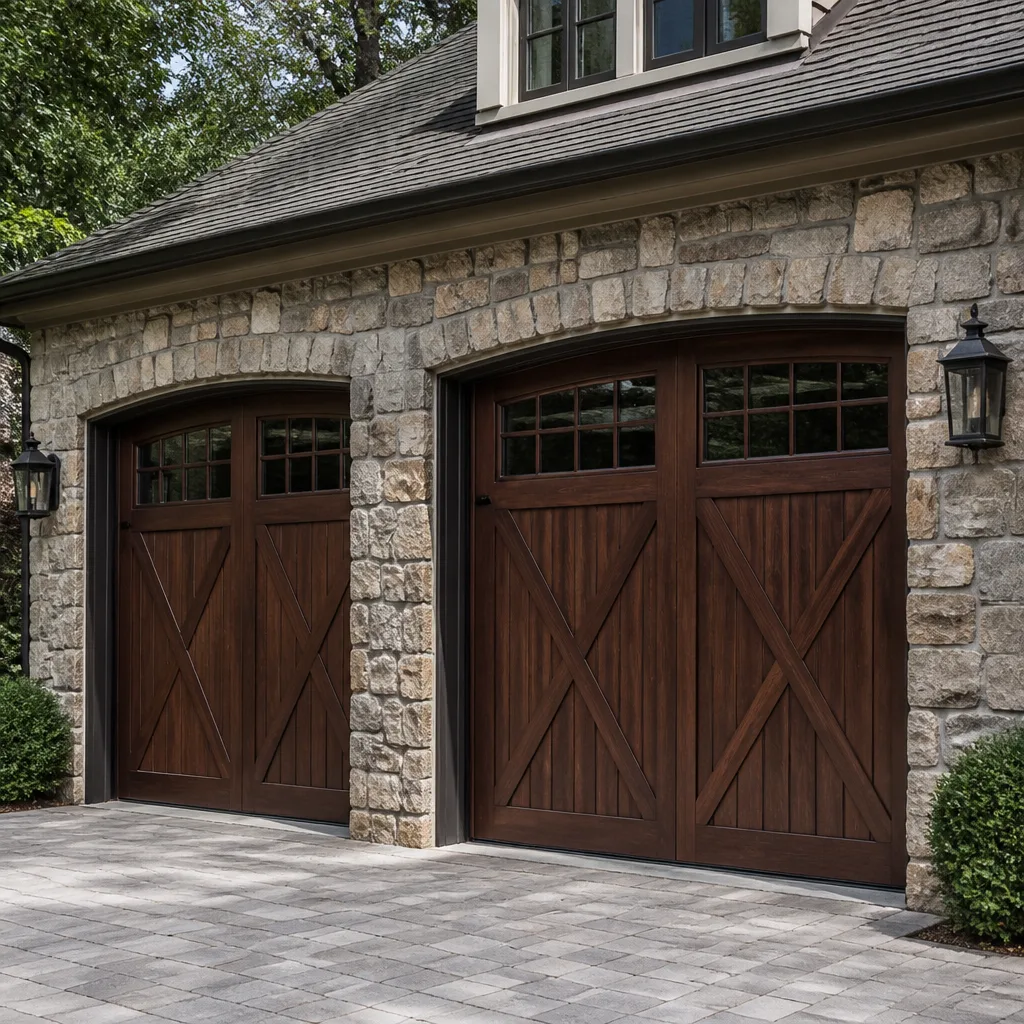 Carriage house
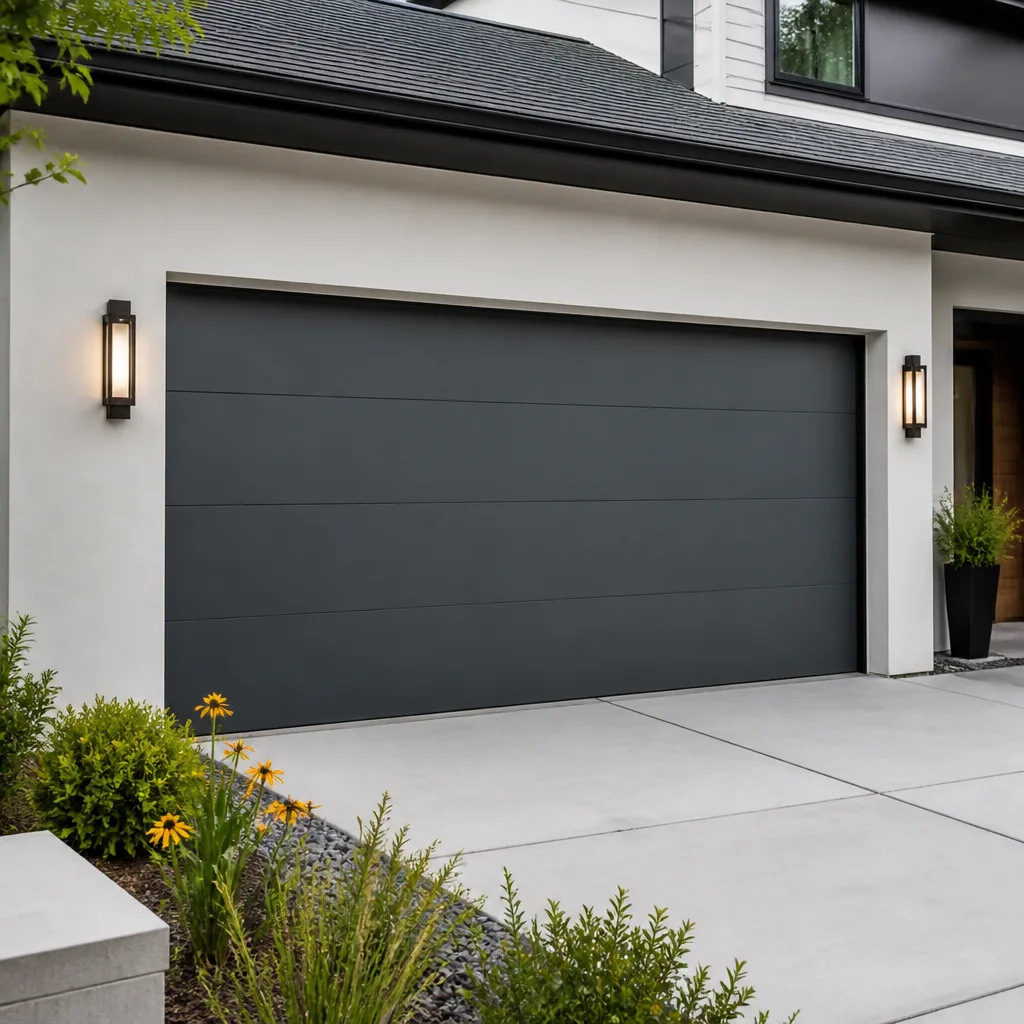 Modern flush
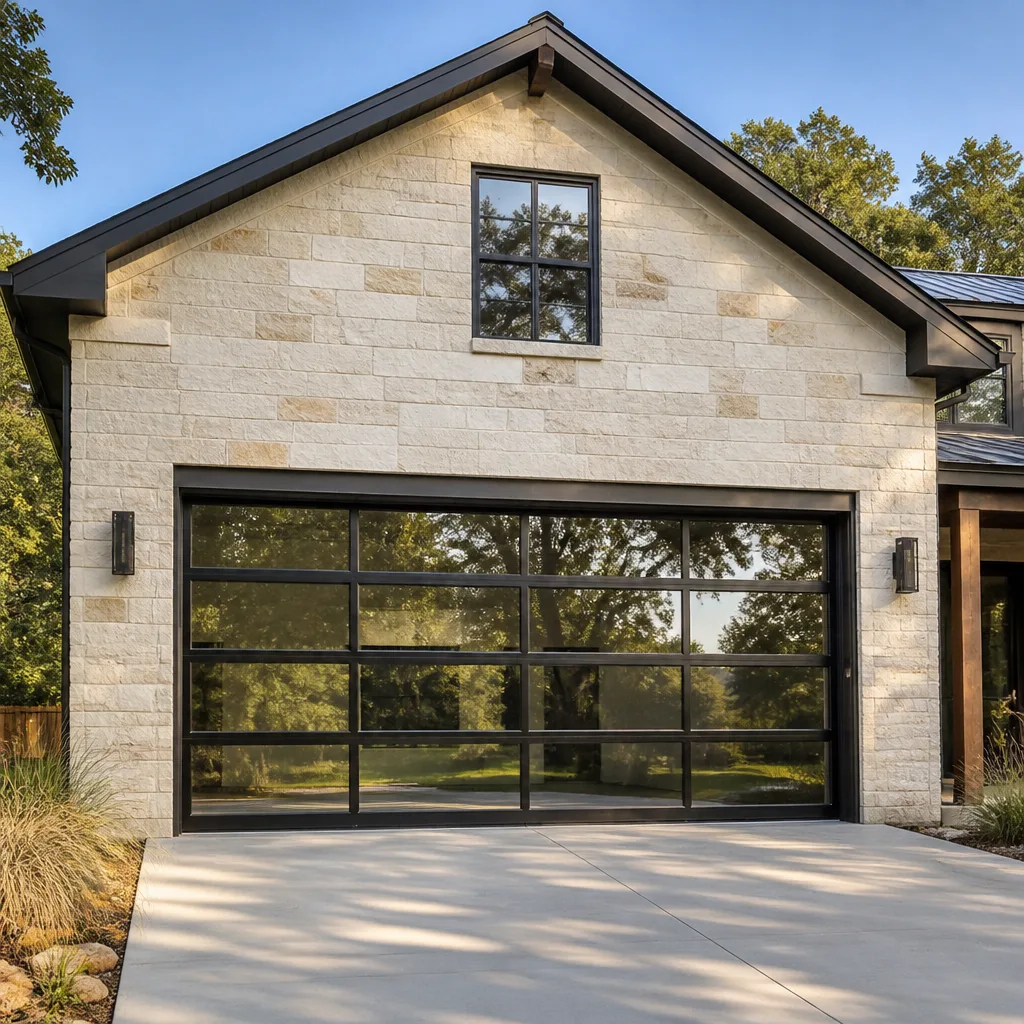 Full-view glass
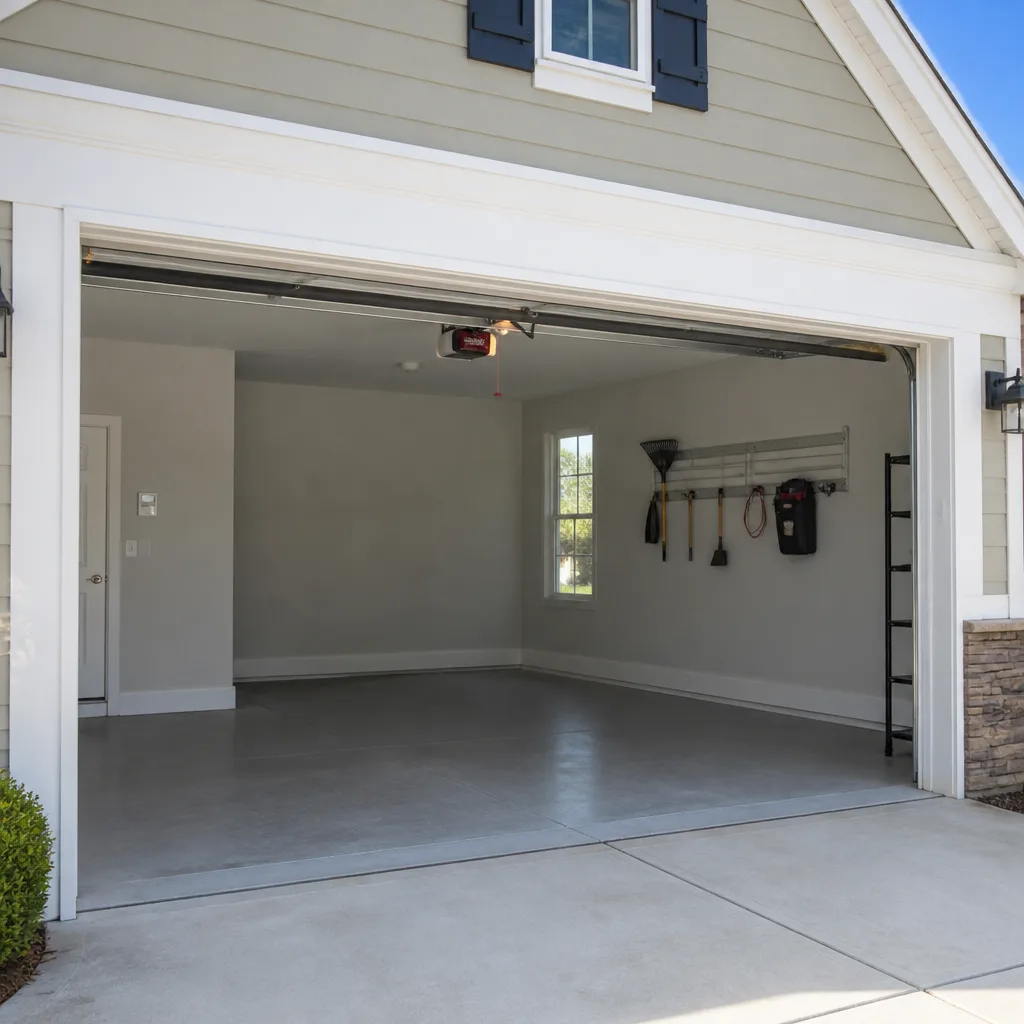 LiftMaster openers
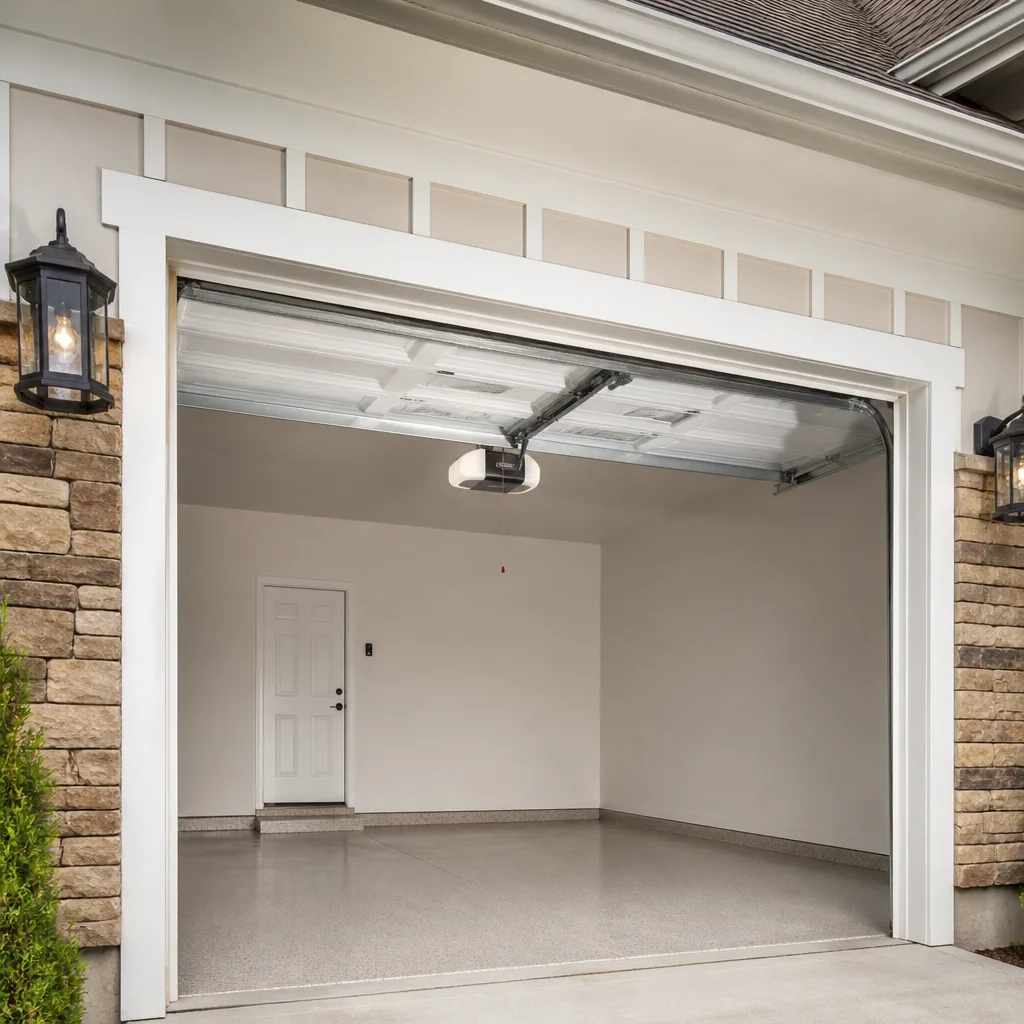 Chamberlain openers
Full 25-point door and opener safety check with every visit - springs, cables, rollers, tracks, and your LiftMaster or Chamberlain opener included
You get a price before we start. It does not change when the pro arrives.
Get your free estimateGarage Door Warning Signs: A Pinellas Park Homeowner’s Reference Guide
A garage door that hesitates for a second before it moves is not a quirk. In most cases it’s a torsion spring running under uneven tension, and in Florida’s humidity that gap between “struggling” and “snapped” closes faster than most homeowners expect. The trouble with the warning-sign lists you find online is that they stay vague: “unusual noises,” “slow movement,” “strange behavior.” None of that tells you whether you’re looking at a fifteen-dollar roller or a spring that’s about to let go. This guide fixes that. We map each symptom to its likely cause and its urgency level, using what we see on doors across Pinellas Park every week. By the end you’ll know which sounds mean stop, which signs mean schedule, and which ones you can simply keep an eye on.
Quick Answer
Garage door warning signs fall into three urgency tiers. Same-day emergencies include a snapped torsion spring, a door hanging crooked or off its track, and a door that won’t close (a security problem). Schedule-this-week repairs include grinding or squealing during travel, a gap between panel sections, and an opener motor that runs without moving the door. Watch-and-monitor signs include a slightly fading remote range and minor weatherstripping wear. The single most important rule: any loud bang from the torsion bar followed by a door that won’t lift is a broken spring, and you should stop operating the door immediately.
Styles & brands we work with
- Raised-panel steel
- Carriage house
- Modern flush
- Full-view glass
- LiftMaster openers
- Chamberlain openers
Table of Contents
- The Sound-to-Cause Map: Grinding, Squealing, Popping, Banging
- Florida-Specific Visual Signs: Rust, Salt Deposits, UV-Bleached Seals
- Operational Warning Signs: Gaps, Doors That Won’t Stay Open, Uneven Travel
- Opener Behavior Warning Signs That Point Beyond the Opener
- The Urgency Triage: Same-Day, This-Week, Watch-and-Monitor
- Which Signs Mean Stop Using the Door Right Now
- How Pinellas Park Humidity Accelerates Wear
- A Monthly Walk-Around: What to Check and When
The Sound-to-Cause Map: Grinding, Squealing, Popping, Banging
Sound is the earliest warning your door gives you, but only if you know what each noise is telling you. Here’s how the four most common sounds map to specific component failures, in rough order of how often we diagnose them in Pinellas Park.
Grinding is metal-on-metal contact. It usually means worn rollers that have lost their bearings and are scraping the track, or a torsion bar rubbing where a bearing plate has dried out. Grinding is rarely an emergency, but left alone it chews up the track, which turns a roller swap into a track replacement.
Squealing is high-pitched and rhythmic, matching the door’s travel. That’s almost always a dry hinge, roller stem, or spring coil. In our humidity, lubricant washes out faster than homeowners realize. A squeal is your door asking for lubrication, not a failure.
Popping is the one that concerns us most. A single pop when the door starts moving often points to a torsion spring that’s slipped a set screw or a cable that’s jumped its drum. Popping that repeats each cycle means the spring is winding unevenly, and that’s the sound that precedes a snap.
Banging is a hard slam at the top or bottom of travel. At the bottom, it’s usually a misadjusted travel limit on a Genie or LiftMaster opener. At the top, it can mean the door is hitting the stop because the up-limit has drifted. Both are quick fixes, but both stress the panels every time they happen.
The pattern to remember: grinding and squealing are wear sounds, popping and banging are mechanical warning sounds. If you hear a pop, stop cycling the door and get it looked at.
Florida-Specific Visual Signs: Rust, Salt Deposits, UV-Bleached Seals
Pinellas Park sits in a warm, humid, high-UV climate, and that shows up in very specific ways on a garage door. The signs that matter most here aren’t the ones you’ll read about in a national guide.
- Rust streaks on the torsion spring. Torsion springs are oil-tempered steel, and in this humidity a spring that’s missing a protective coat will show orange rust lines along the coil. Rust on a spring is not cosmetic. It’s a sign the steel is losing strength unevenly, and an unevenly loaded spring is the one that fails.
- White crust on hinges, rollers, and track bolts. Down here, hardware takes a beating from moisture and airborne salt. A chalky white film on the hinges and track is corrosion building, and it’s a reliable early signal that the door’s small parts are past their useful life.
- UV-bleached bottom seal. The rubber astragal at the bottom of the door takes the most sun. When it turns gray, hard, or starts cracking, it’s no longer sealing. That lets in water, insects, and humidity, and it eventually lets in rain during a summer squall.
- Sun-faded or chalky panels. Steel panels on a Clopay or Amarr door fade from UV exposure. That’s normal for the finish, but if the fade is paired with bubbling or flaking near the bottom, moisture is getting under the paint. That’s a panel issue.
- Green algae or black mildew on the inside of the door. A garage in this climate stays humid. Growth on the inside face means ventilation and moisture control are working against you.
None of these are single-day emergencies by themselves. Together, they tell you the door’s mechanical life is being used up faster than it would be in a drier climate. A spring with visible rust streaks is a spring you should have inspected before the next season.
Operational Warning Signs: Gaps, Doors That Won’t Stay Open, Uneven Travel
Operational signs are the ones you feel rather than hear. They’re also the most misunderstood, because a door that “kind of works” seems like it can wait.
A gap between panel sections. If you can see daylight between two horizontal panels, the hinges have worn or the section has bent. A gap lets in water and wind load, and it’s a structural sign. Panels that no longer sit flush put extra stress on every hinge and roller.
A door that won’t stay open. When you disengage the opener and lift the door by hand, it should balance. If it wants to fall, or takes real effort to raise, the spring tension is wrong. That’s the classic sign of a spring that has weakened or has been adjusted wrong. Do not try to correct spring tension yourself; that’s a high-tension system for a trained technician.
Uneven travel speed. A door that moves smoothly at the bottom and jerks faster near the top, or that starts slow and speeds up, is telling you the torsion is off. It can also point to a failing opener gear, which we’ll cover next.
A crooked door. If one side reaches the top before the other, a cable has jumped a drum or a spring has broken on one side. A crooked door is a same-day call, because it can come off the track entirely.
Rollers that wobble. Push a roller gently. If the stem moves in the hinge, the bearing is gone and the roller should be replaced before it roughens the track.
These signs don’t fix themselves. In our experience, they usually get worse within weeks, not months.
Opener Behavior Warning Signs That Point Beyond the Opener
Most homeowners assume any opener problem is an opener problem. In reality, the opener is a symptom reporter as often as it’s the cause. Here’s how to read its behavior.
The motor runs but the door doesn’t move. If you hear the motor hum and the door stays put, the problem is almost always mechanical: a broken spring, a snapped cable, or a stripped trolley. On a LiftMaster, a stripped gear is another common cause on older units. A motor that runs without a door moving is a same-day call because the door is in a dangerous state: it’s unbalanced and can slam or fly up.
The remote range shrinks. A remote that used to open the door from the end of the driveway and now has to be almost at the door is a genuine warning sign. Causes include a weakening battery (the easy one), a loose antenna wire on the opener, or a failing logic board. On Genie and Chamberlain units, interference from new LED shop lights is a real suspect too.
The wall button lags. A wall button that takes a second to respond, or one that sometimes doesn’t respond, points to a failing circuit board or a wiring problem. If the button works but the remote doesn’t, the opener’s radio section is the culprit.
The door reverses or stops partway. This is usually a safety-sensor problem, not an opener death. Sensors that are dirty, misaligned, or lit incorrectly will cause the door to reverse. Clean them first, then call if the behavior continues. Safety sensors are not something you want to bypass.
The opener clicks but nothing happens. A click with no action often means a capacitor or logic board failure. That’s a bench-diagnosis job, not a homeowner fix.
If you’ve read this and recognized your door, our garage door opener repair page covers what a technician checks first. If you’d rather just have it looked at, our garage door repair team can be out the same day for a diagnostics call.
The Urgency Triage: Same-Day, This-Week, Watch-and-Monitor
The single most useful thing this guide can do is help you sort what you’re hearing into the right urgency bucket. Here’s how we triage when a Pinellas Park homeowner calls.
- Same-day emergency. A snapped torsion spring. A door hanging crooked or off its track. A door that won’t close (leaves the home unsecured). A motor running without the door moving. A loud bang followed by a dead door. These can trap a vehicle or leave your garage open, and they’re the calls we prioritize.
- Schedule within the week. Grinding during travel. Popping that repeats each cycle. A visible gap between panel sections. A difficult-to-lift door. A door that won’t stay open. These are mechanical failures that will get worse, and one of them (a weak spring) can tip into an emergency without much warning.
- Watch and monitor. Squealing that responds to lubrication. A slowly shrinking remote range with a fresh battery. UV-bleached weatherstripping that still seals. A chalky finish that hasn’t flaked. These can wait for a scheduled tune-up, but they should be noted so you’re not surprised later.
The line between tier two and tier one is thinner than people think. A spring that’s popping may hold for another week, or it may let go on the next cycle. If you hear the pop, treat it as tier two with a fast clock, not tier three.
Which Signs Mean Stop Using the Door Right Now
Some warning signs mean the door is not safe to operate, and forcing it can make a manageable repair into a serious one. This is the part of the guide where we get direct.
A broken torsion spring. If you heard a bang, and now the door won’t lift or you can see a separated spring coil above the door, stop. The door is now held only by the opener arm and the cables, and it can slam down without warning. Do not pull the manual release with a car under it.
A door off its track or crooked. A door leaning to one side can drop off the track entirely. Keep clear and call.
A snapped cable. Cables are under high tension and can whip. If you see a loose cable hanging from the drum, do not touch it. Keep anyone from walking under the door.
A door that won’t close. This one is a security risk as well as a safety risk. In Pinellas Park, a garage left open overnight is an invitation. A technician can usually get it secured the same day.
Repeated safety-sensor failures. A door that reverses unexpectedly is a genuine hazard, especially with kids or pets in the driveway.
Our rule of thumb: if the door is doing something it has never done before, and it involves a loud noise, a crooked panel, or a cable, stop using it. We work on these springs and cables every week, and even our technicians treat them as the most dangerous part of the job. High-tension spring work is a trained-technician job, not a homeowner project. Our garage door spring repair team handles the inspection and the fix, and we’ll tell you honestly if the door is safe to use until we get there.
How Pinellas Park Humidity Accelerates Wear
A garage door in Pinellas Park lives a harder life than the same door in a drier climate. Humidity is the main reason. The average summer dew point here keeps a garage interior damp for months, and metal parts that sit in that moisture slowly lose their protective coats.
Here’s what that means in practice on a Pinellas Park door:
- Springs rust and pit along the coil, which weakens them unevenly. A pitted spring is not a spring you want to rely on.
- Hinges and rollers seize up faster, which is why we see grinding earlier than homeowners expect.
- Steel track bolts corrode, and a corroded bolt that strips makes adjusting the door harder.
- The bottom seal hardens from UV and heat, then cracks and stops sealing. That’s the entry point for the moisture that accelerates everything else.
- Opener logic boards in a humid garage see more condensation, and older boards with corrosion on the solder joints act “glitchy” before they fail.
The fix isn’t exotic. It’s periodic lubrication, hinge and roller replacement when they start to seize, and a spring inspection before each summer. A door on a Clopay or Wayne Dalton panel set that’s seen five Pinellas Park summers has earned a checkup, even if it’s still working.
A Monthly Walk-Around: What to Check and When
You can catch most of these warnings with a two-minute walk-around once a month. Here’s the routine we suggest to homeowners, in order:
- Look at the springs. With the door down, look above the door at the torsion bar. Look for rust streaks, gaps in the coil, or a visibly uneven wind. Don’t touch them; just look.
- Look at the cables. Check for slack, fraying, or a cable that’s jumped the drum. If you see any of these, stop and call.
- Lubricate the moving parts. Hinges, roller stems, and the spring coil (if the manufacturer allows) get a light coat of garage-door lubricant. Not WD-40. Proper lubricant.
- Test the balance. With the door down, pull the manual release, lift the door halfway, and let go. A balanced door stays put. A door that falls or races up needs spring attention.
- Test the safety sensors. Wave an object through the beam while the door is closing. It should reverse. If it doesn’t, fix the sensors before anything else.
- Check the bottom seal. Run a hand along the bottom. If it’s hard, cracked, or shedding, replace it.
- Listen. Open and close the door once and note any grinding, popping, or banging. Write it down if it’s new.
That’s the whole routine. Four of the seven steps are visual only, and none of them require you to touch a spring or a cable. If any step turns up a red flag, that’s when you call. Our team at Garage Door Repair Pinellas Park runs this same inspection as the first part of any visit.
Common Mistakes to Avoid
We see the same handful of homeowner mistakes over and over in Pinellas Park, and each one turns a small fix into a bigger one. Here’s what to skip.
- Forcing a door that won’t move. If a door won’t lift, the spring or cable is broken, and pulling harder puts the whole door’s weight on the opener arm. That’s how doors come off the track and how people get hurt. Stop and call.
- Oil-spraying a spring and calling it fixed. Lubricant quiets a squeak. It doesn’t restore a worn spring, and it doesn’t fix uneven tension. If you heard a pop before the squeal, the squeal was the symptom, not the problem.
- Assuming every opener problem is the opener. The motor running with no door movement is a mechanical failure, not an opener failure. Replacing the opener in that case wastes money and leaves the real problem in place.
- Bypassing safety sensors. Zip-tying or disconnecting a safety sensor is one of the most dangerous things a homeowner can do. The sensor is there for kids and pets. If it’s failing, replace it.
- Ignoring a rusty bottom seal. In Pinellas Park, a cracked seal lets humidity and rain in, which accelerates every other wear issue on the door. It’s the cheapest part on the door, and it protects the rest of it.
- Waiting for a grinding noise to become a track problem. Worn rollers are inexpensive to replace. Worn rollers plus a roughed-up track is a bigger job. Address the grinding early.
- Letting a “kind of working” door go an entire season. A door that hesitates and pops is not going to heal itself. It’s telling you the spring is on borrowed time.
See the difference
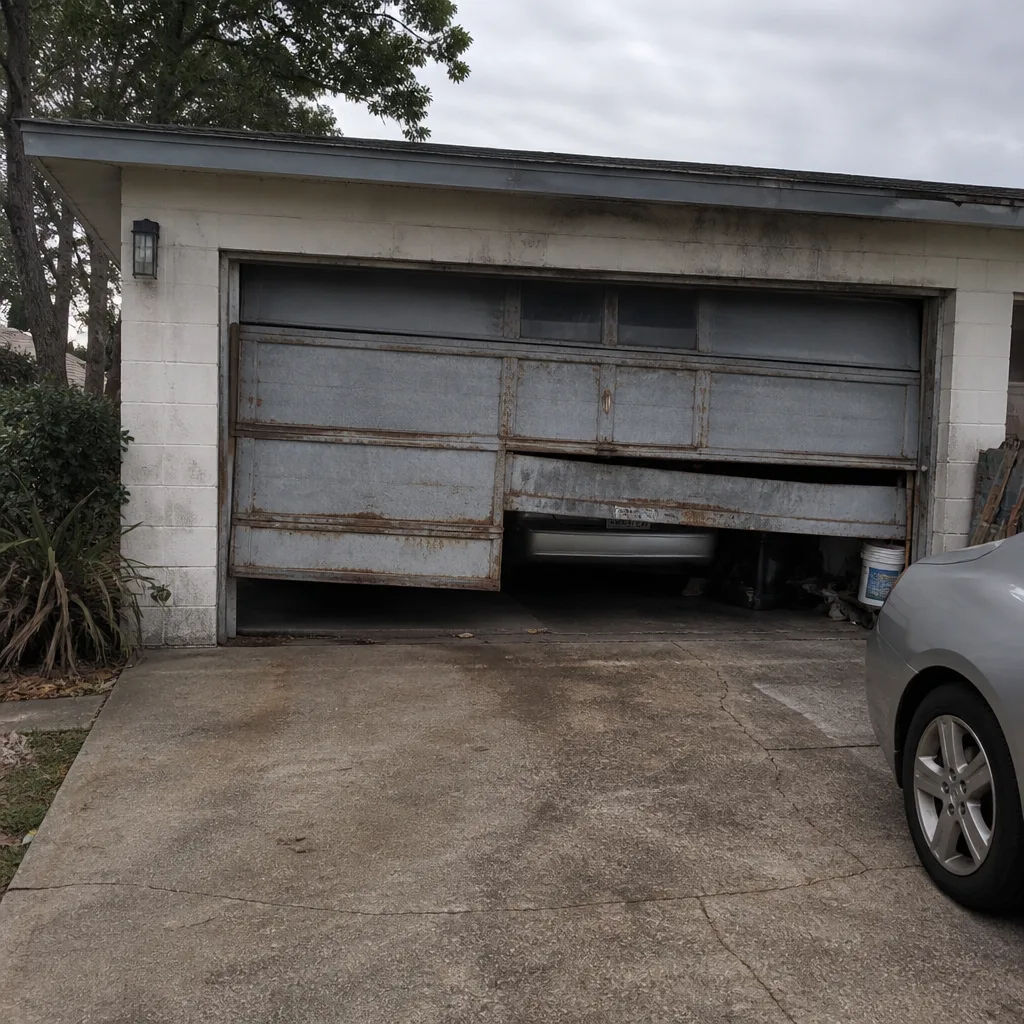 Before
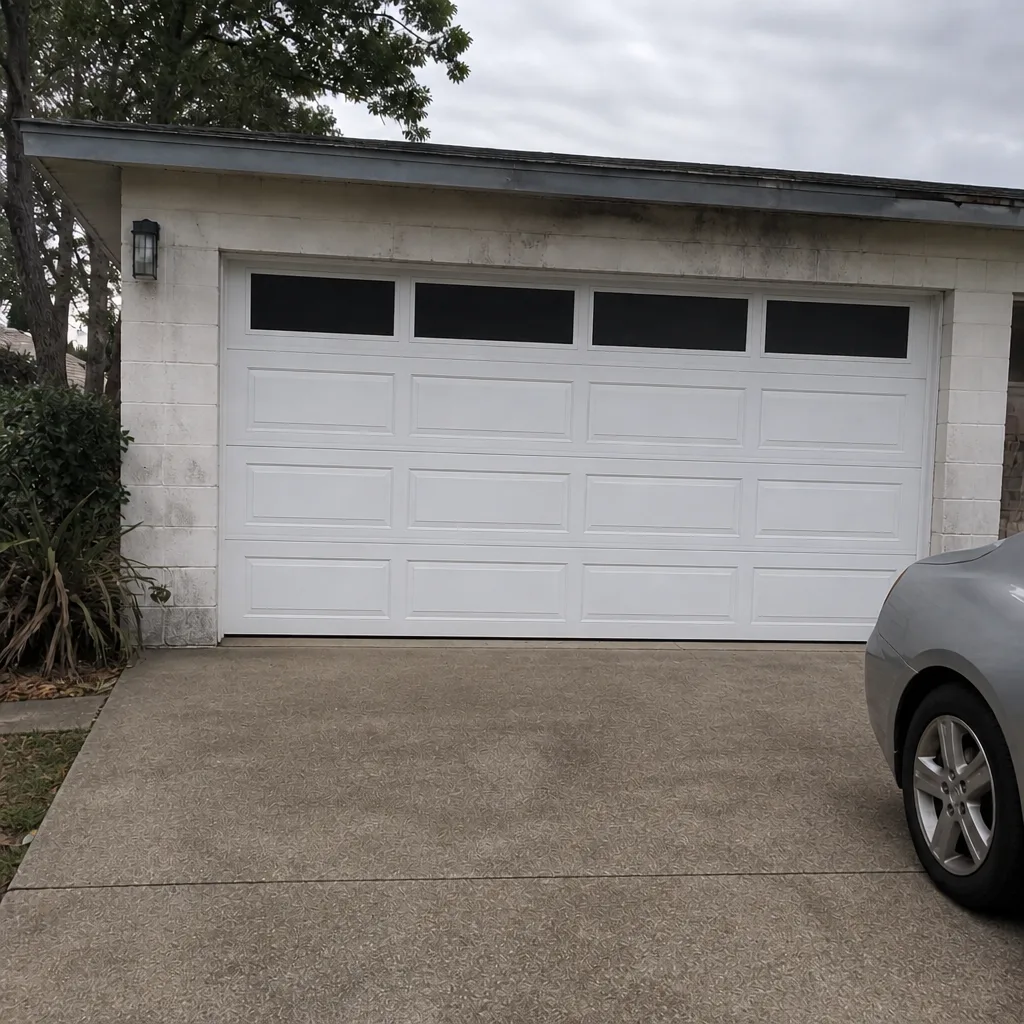 After
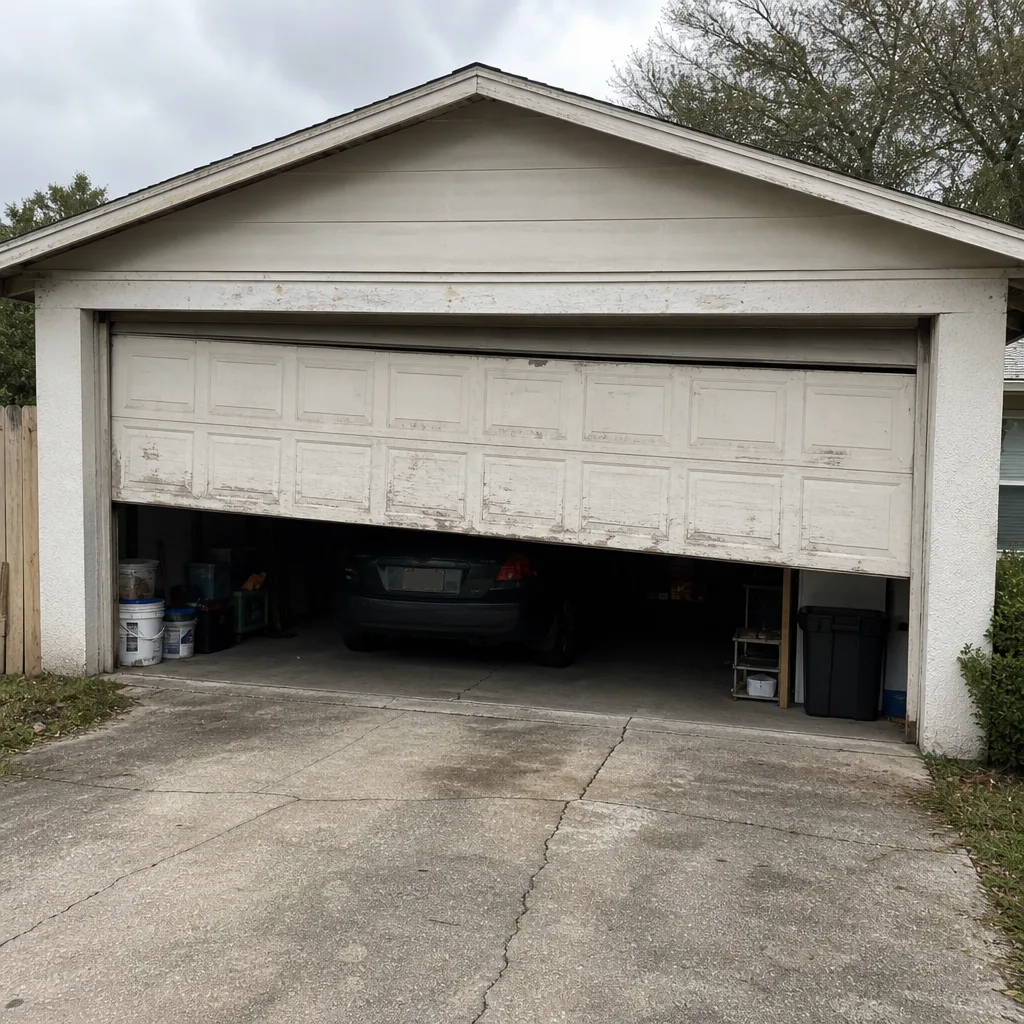 Before
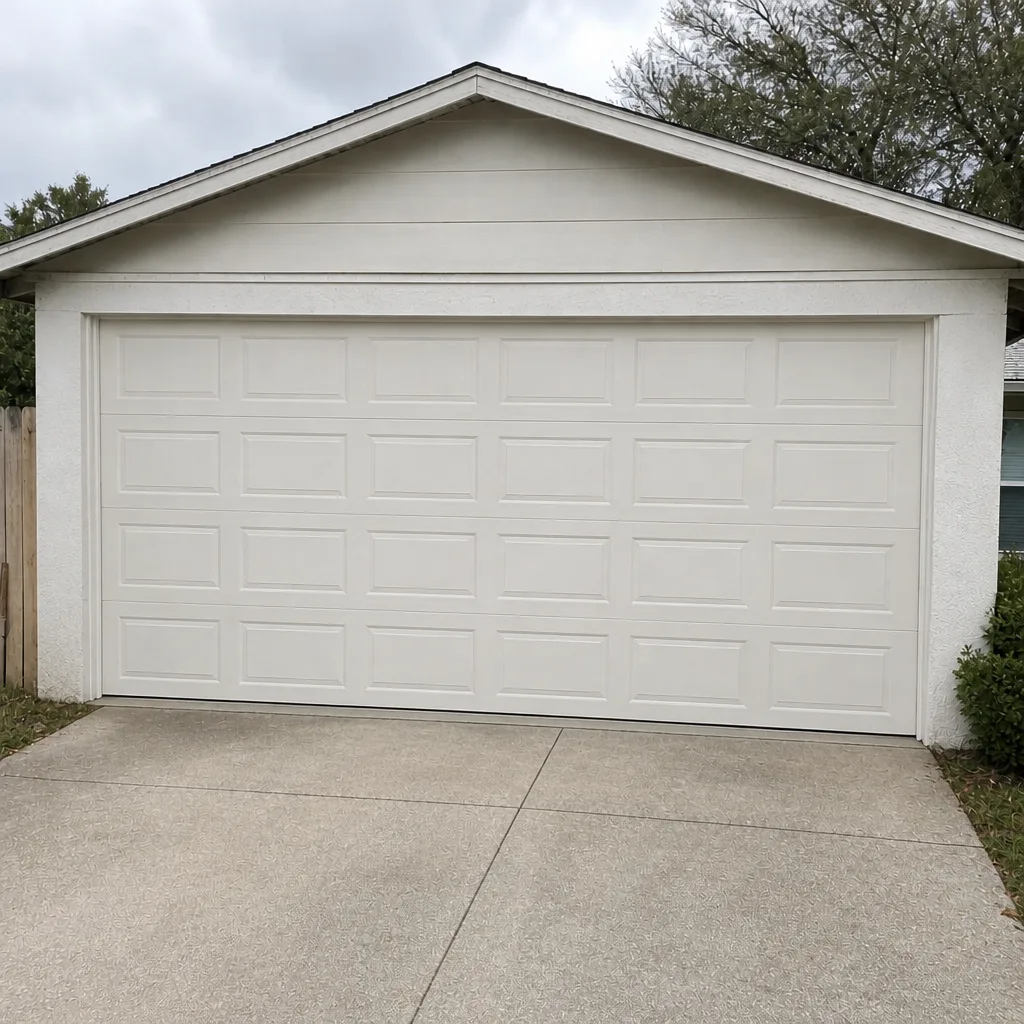 After
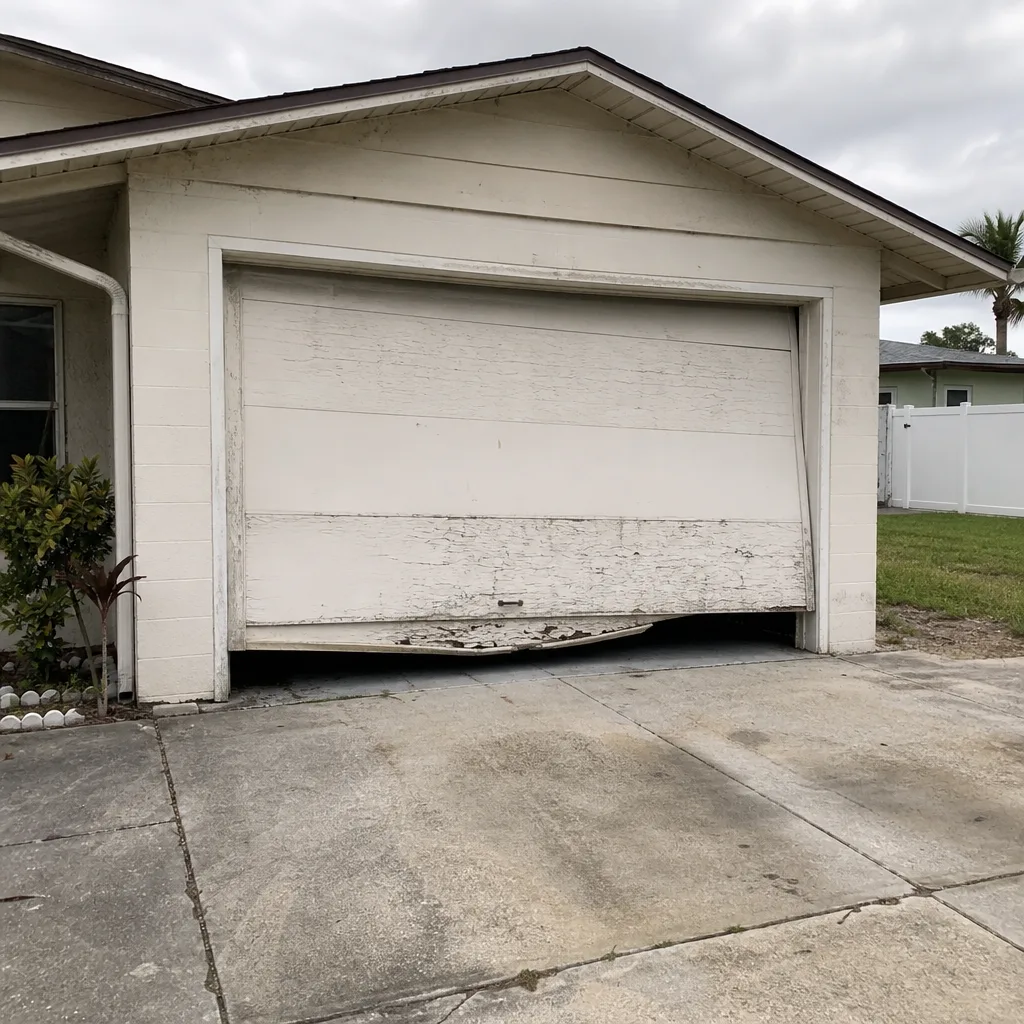 Before
 After
When to Call a Professional
Call a professional when a warning sign involves a high-tension component (springs, cables, torsion bar), when a door is crooked or off its track, when the door won’t close, or when a motor runs without the door moving. Those are the scenarios where an attempted homeowner fix can turn into an injury or a much larger repair. For a door that grinds, squeals, or has a small hinge issue, a professional call is still worth it as a scheduled tune-up, but it isn’t urgent. If you’re in Pinellas Park and you’re not sure which category you’re in, call us and describe what you’re hearing; we can usually tell you over the phone and get out the same day if needed.
Garage Door Repair Pinellas Park offers free estimates in Pinellas Park for any job that turns out to be more than a diagnosis. Call (833) 868-2268 and we’ll get you scheduled. Our technicians have up to 15 years of experience, we work on every major brand including Genie, Clopay, Amarr, and Wayne Dalton, and we quote the price before we touch the door.
Frequently Asked Questions
A broken torsion spring makes a single loud bang, often described as sounding like a gunshot or a dropped weight, and it’s followed by a door that won’t lift. In some cases you’ll hear a series of pops just before it breaks. If you hear the bang, stop operating the door and call us at (833) 868-2268; a broken spring can let the door slam without warning.
Grinding is usually a worn roller or a dry bearing, and it’s not a same-day emergency. But it does mean metal is wearing metal, and if you leave it the track gets damaged too. Have it looked at within the week. Call (833) 868-2268 for a free estimate on the repair.
If the motor hums or runs but the door doesn’t move, the problem is mechanical (spring, cable, or trolley), not the opener. If the motor works and the door moves but the remote won’t open it, that’s an opener problem. A quick phone call can usually narrow it down; call (833) 868-2268 and we’ll help you sort it.
A door that starts slow and speeds up, or one that hesitates before moving, is usually showing uneven spring tension. In our climate, rust on the springs and seized rollers speed that up. It’s worth a spring inspection before it becomes a break. Call (833) 868-2268 for a free estimate on the inspection.
The ones you should never ignore are a door off its track, a visible broken spring, a snapped cable, and a door that won’t close. Each one is a safety or security risk, and forcing the door can cause serious injury. Call (833) 868-2268 the same day.
Yes, we work on all major residential garage door brands, including Genie, Clopay, Amarr, Wayne Dalton, LiftMaster, Chamberlain, Craftsman, and Raynor. Our technicians have up to 15 years of experience on torsion and extension spring systems, opener electronics, and full door replacement. Call (833) 868-2268 for a free estimate.
The Bottom Line
Garage door warning signs are worth reading because they buy you time. A grinding roller is a small repair; a grinding roller plus a damaged track is a bigger one. A popping spring is a scheduled visit; a snapped spring is a same-day emergency, sometimes with a trapped car. The sounds, visual signs, operational signs, and opener behaviors covered here are all things you can spot with a two-minute monthly walk-around, and none of them require you to touch a high-tension part. If you find a red flag, or you’re just not sure what you’re hearing, call us. We handle repair, springs, openers, and full installations for Pinellas Park homes. Free estimates, work scheduled around you, and the price quoted before any work begins. If you’re looking for a starting point for door issues that didn’t make this list, our Garage Door Repair Pinellas Park page is the hub. Call (833) 868-2268 when you’re ready.
Written by the team at Garage Door Repair Pinellas Park.