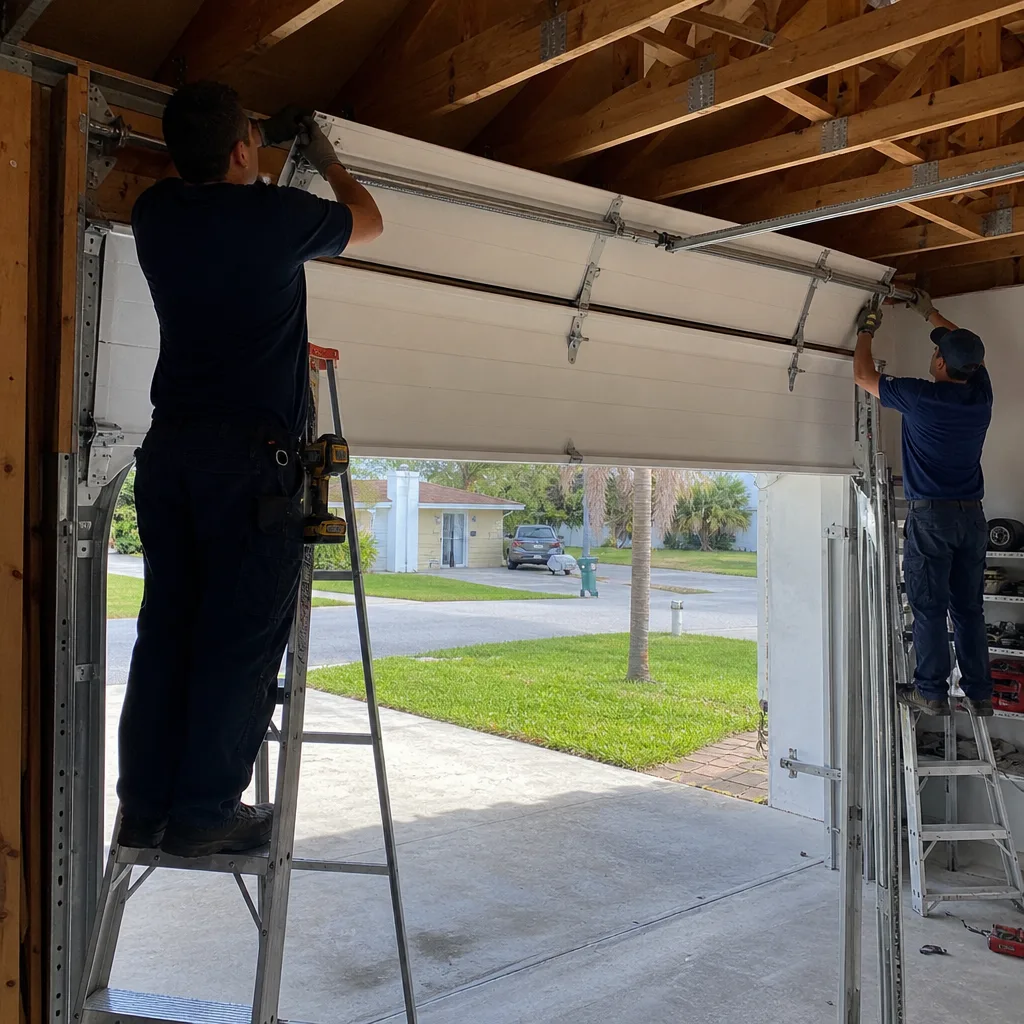
Last updated November 23, 2026
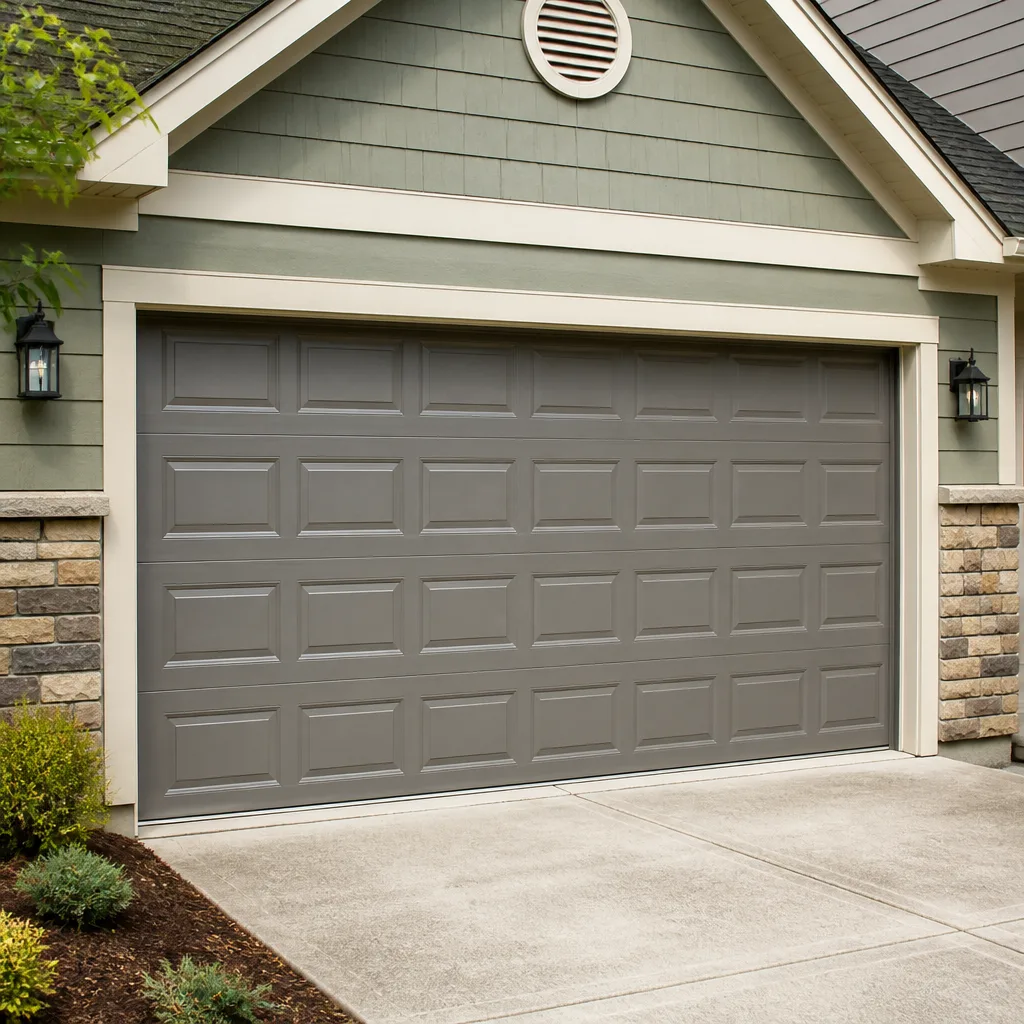 Raised-panel steel
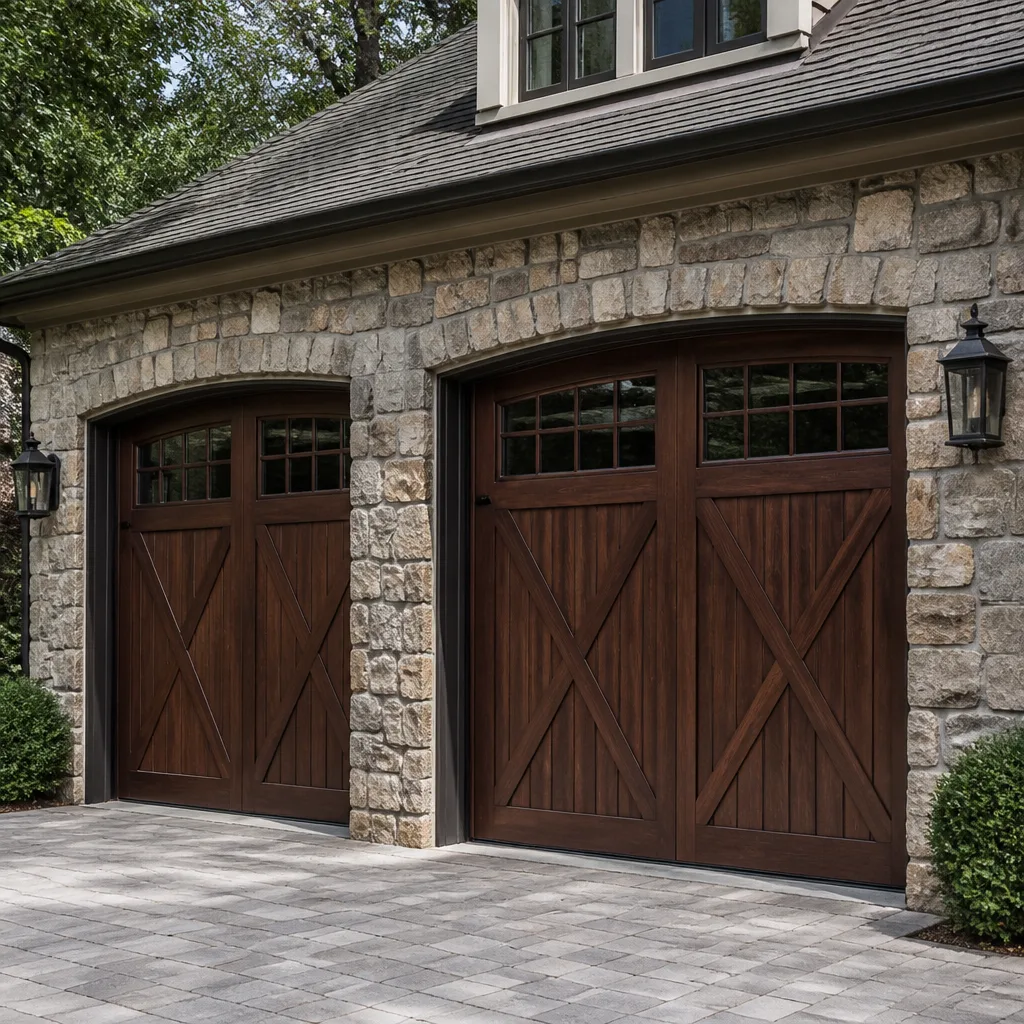 Carriage house
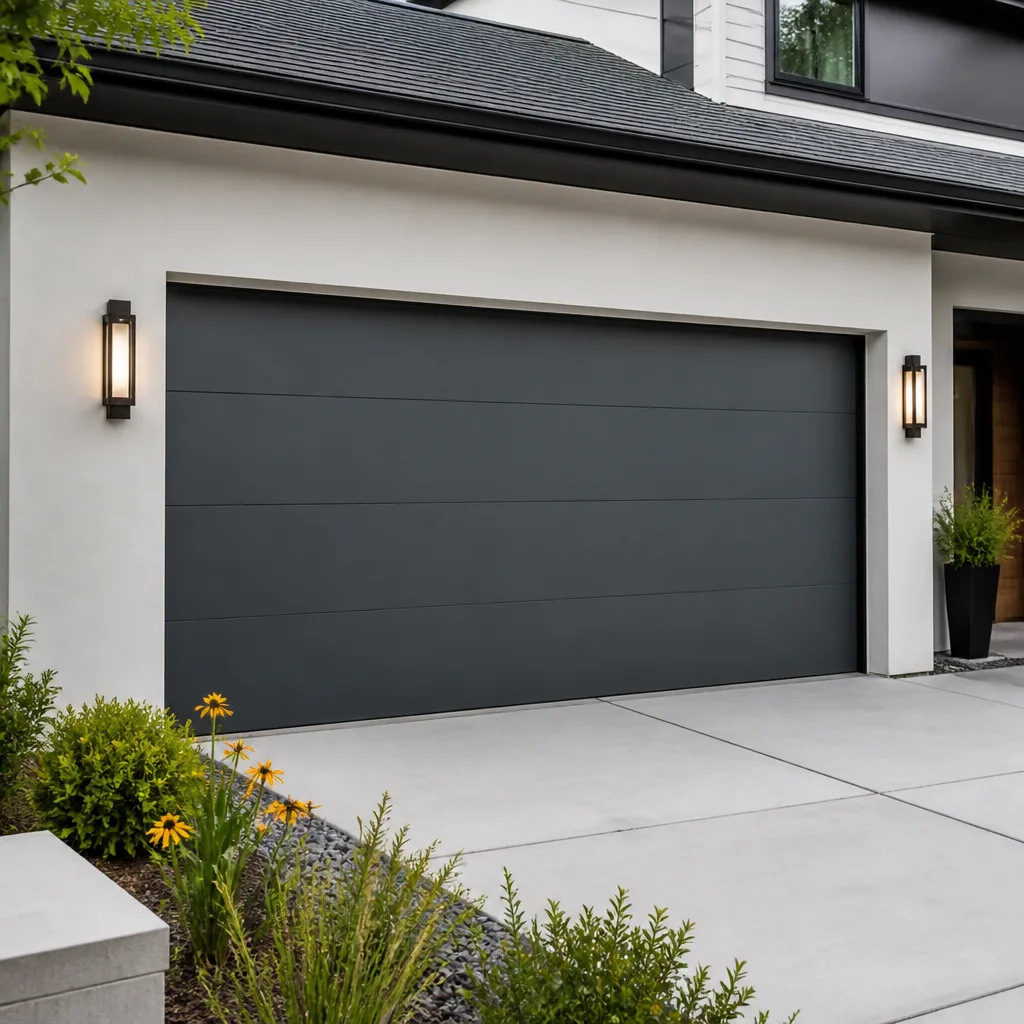 Modern flush
 Full-view glass
 LiftMaster openers
 Chamberlain openers
Full 25-point door and opener safety check with every visit - springs, cables, rollers, tracks, and your LiftMaster or Chamberlain opener included
You get a price before we start. It does not change when the pro arrives.
Get your free estimateGarage Door Permits, Codes & Inspections in Pinellas Park, FL: What You Need to Know
Most homeowners in Pinellas Park get the permit question wrong in one of two directions. Some assume a straight door swap needs no paperwork at all, so they buy a panel and have it hung. Others assume the contractor handles every permit automatically, then never think about it again. The truth sits between those two, and it matters because an unpermitted garage door installation can surface years later during an insurance claim or a property sale, when you least want a surprise. This guide walks through exactly when a Pinellas County building permit is required, how Florida’s wind-load rules shape which doors you can legally install, how to check a door against the Florida Product Approval database, what an inspection actually looks at, and where your liability sits if the work was never permitted.
Quick Answer
In Pinellas Park, replacing a garage door generally requires a building permit through Pinellas County, while repairing or servicing an existing door (springs, cables, rollers, tracks) and installing an opener on an existing door usually do not. Because garage doors are treated as wind-load components under the Florida Building Code, the door you install must carry a Florida Product Approval valid for your design wind speed, and the installation must pass inspection. Always confirm the specific requirement with the Pinellas County Building Department before you buy or schedule, since scope details can change what’s required.
Styles & brands we work with
- Raised-panel steel
- Carriage house
- Modern flush
- Full-view glass
- LiftMaster openers
- Chamberlain openers
Table of Contents
- When Does Garage Door Work Need a Permit in Pinellas Park?
- How Florida Building Code Section 1609 Shapes Your Door Choice
- How to Check Florida Product Approval Before You Buy
- What a Pinellas County Inspection Actually Checks
- Do Opener Installations Need a Permit?
- What Happens If an Unpermitted Door Is Discovered
- How to Pick an Installer Who Handles Compliance
- Where We Fit In as Your Garage Door Specialist
When Does Garage Door Work Need a Permit in Pinellas Park?
A permit is required when you replace the garage door itself, and it is generally not required for service or repair of an existing door. That single distinction answers most of the confusion we run into. The county treats a door replacement as a structural envelope change because the door is a rated wind-load assembly, so the swap has to be documented and inspected. Sending a technician out to replace a snapped torsion spring or a frayed cable does not trigger that process.
Here’s how the typical scopes break down:
- Full door replacement (same size, new door): Permit required. The new door needs a valid Florida Product Approval for your wind speed, and the install gets inspected.
- Door replacement with a size change or new opening dimensions: Permit required, and the scope grows. Changing the rough opening can pull in framing and header work, so plan for a longer review.
- Spring, cable, roller, hinge, or track repair: No permit. This is maintenance on an existing assembly.
- Opener replacement on an existing door: Generally no permit, though you should confirm with the county if your door is also being replaced in the same project.
- Adding a brand-new opener to a door that never had one: Usually no door permit involved, but electrical work for a new circuit is a separate question for the building department.
Pinellas Park sits inside Pinellas County’s permitting structure, and the county’s building department is the authority that issues and inspects this work. We tell every homeowner the same thing: pick up the phone and ask before you order the door. A five-minute call to the Building Department saves you from buying a panel that doesn’t meet the wind requirement for your property, which is a far more expensive mistake than the permit fee itself.
How Florida Building Code Section 1609 Shapes Your Door Choice
Florida Building Code Section 1609 is the wind-load provision, and it’s the reason a garage door replacement isn’t just a cosmetic purchase in Pinellas Park. Section 1609 sets out how wind loads are calculated for buildings, and the garage door is one of the largest openings in a residential wall. Because of that, the door has to be rated for the wind pressures your location experiences, and the rating has to be documented. You can’t simply match the color and the panel style and call it done.
What this means in practice is that two doors that look identical on the showroom floor can carry very different ratings. A door rated for a lower wind pressure is not the door you want on a Pinellas Park home, no matter how good the price looks. The wind speed used for your specific property comes from the code’s wind speed maps and your building’s characteristics, and the county applies that to your project. We don’t guess at it, and neither should your installer. The correct approach is to confirm the required design pressure for your address, then select a door whose product approval covers that pressure.
This is also where brand familiarity earns its keep. When we’re working through a Clopay or Amarr or Wayne Dalton door selection, we can read the approval documentation and match the model to the requirement without a round of phone calls to the manufacturer. That’s the difference between a door that sails through inspection and one that gets flagged for corrections after it’s already hung.
How to Check Florida Product Approval Before You Buy
Every garage door installed under a permit in Florida needs a Florida Product Approval, and you can verify one yourself before money changes hands. The state maintains a searchable Product Approval database, and the door’s approval number is the key you’re looking for. The approval ties a specific product to specific conditions, including the wind pressure it’s rated to resist. A door with no approval number, or one whose approval doesn’t cover your required pressure, is not compliant for a permitted installation.
Here’s the process we walk customers through:
- Get the required design pressure for your property from the permit application or the building department.
- Ask the seller or installer for the door’s Florida Product Approval number, in writing.
- Look the number up in the state’s Product Approval database and confirm the product matches the model you’re buying.
- Check that the approval’s rated pressure meets or exceeds your required design pressure.
- Confirm the approval covers the installation method being used, including the anchoring and reinforcement details.
- Keep a copy of the approval with your permit paperwork. The inspector will want to see it.
If a seller can’t produce the approval number, that’s your answer. Walk away. In our experience the legitimate manufacturers all publish this documentation, and a dealer who’s familiar with permitted work will hand it over without being asked twice.
What a Pinellas County Inspection Actually Checks
The inspection is where a permit stops being paperwork and becomes a real test of the install. A Pinellas County inspector is verifying that the door you installed matches the approved product and that it’s anchored the way the approval requires. It’s not a cosmetic review, and it’s not a pass-fail on whether the door opens smoothly. It’s a compliance check on the wind-load assembly.
What typically gets looked at:
- Product match: The installed door matches the Florida Product Approval on file, including model and labeling.
- Anchoring and fasteners: The door is secured with the specified hardware, in the specified locations, at the specified spacing.
- Reinforcement: Any struts or reinforcement the approval calls for are actually present and correctly positioned.
- Track and jamb attachment: Tracks and mounting are fastened to sound structure as detailed in the approval.
- Labeling: The required product labels or markings are visible and intact.
The most common corrections we hear about come from doors that were hung with generic hardware instead of the specified fasteners, or from struts that were left off because the installer didn’t read the approval’s installation detail. Both are fixable, but they cost time and often a reinspection. That’s why we read the approval before we touch the door. Your door gets diagnosed right the first time, and the install matches the paperwork.
Do Opener Installations Need a Permit?
An opener replacement on an existing, already-permitted door generally does not need a building permit. The opener isn’t the wind-load component; the door is. So swapping a tired LiftMaster or Chamberlain unit for a new one is typically a service call, not a permitting event. Where homeowners get tripped up is bundling work together. If the opener goes in at the same time as a new door, the project falls under the door’s permit. If you’re adding electrical service to a spot that never had it, that electrical scope belongs to the building department’s process, not to the garage door install.
Repair work on openers, including a motor that’s failing, a remote that won’t pair, or a safety reverse sensor that’s misbehaving, is service and doesn’t involve a permit. If your opener needs attention, our garage door opener repair team handles the electronics and the calibration, and we’ll tell you if the situation actually calls for a new unit rather than a repair. Same-day and emergency service is available for openers that fail and leave a car trapped or a home unsecured.
What Happens If an Unpermitted Door Is Discovered
An unpermitted garage door installation is a problem that waits. It usually surfaces at one of two moments: when you file a storm damage claim, or when a buyer’s inspector walks the property during a sale. In either case, the door’s permit history becomes visible, and the consequence is paperwork you have to sort out under pressure.
On the insurance side, the concern is that a non-compliant door wasn’t verified to meet the wind-load requirement, which is exactly the kind of gap an adjuster will notice when a claim involves the garage. On the sale side, an unpermitted improvement can delay closing while the buyer and their lender work through what’s required to make it right. We’re not going to tell you a specific dollar loss or a specific denied claim, because that’s not something anyone can promise across the board. What we can say plainly is that the risk is real and the fix is much cheaper before an inspection than after. If you’re unsure whether a door on a home you own or are buying was permitted, call the Pinellas County Building Department and check the address. That’s public record, and it takes minutes.
How to Pick an Installer Who Handles Compliance
Most of the permit headaches we see could have been avoided at the estimate stage. Ask the right questions before you sign, and the compliance work sorts itself out. A garage door specialist who does permitted installations in Pinellas Park will have ready answers, not vague promises.
Ask these before you hire:
- Will you pull the permit, and is the permit fee included in the written estimate?
- Which Florida Product Approval applies to the door you’re quoting me, and can I see the number?
- Does that approval cover the design pressure for my property?
- Who handles the inspection scheduling, and what happens if the first inspection needs corrections?
- Do you install the specific model on the approval, with the specified fasteners and reinforcement?
Any reputable installer will answer these without hesitation. If the answers are fuzzy, that’s a signal. A garage door brand specialist knows the approvals for the doors they sell, and a single-trade shop lives and breathes this because it’s all they do. Your door, diagnosed right the first time, is worth more than a low bid from someone who’s never opened a product approval.
Where We Fit In as Your Garage Door Specialist
We’re a garage door company, and every call we take is about a garage door. That focus is why we can talk through a Pinellas Park permit question without hand-waving. We work on your brand, from a LiftMaster opener to a Clopay or Wayne Dalton panel, and we handle the whole door: springs, openers, panels, and full installations. If a replacement is in your future, we’ll point you to the right product approval and build a written estimate that includes the permit so there’s no surprise line item later.
Repair work is where we spend most of our time, and it’s also where we help homeowners avoid unnecessary permitting entirely. A garage door spring repair is service, not a construction project, and it doesn’t require a county permit. It does require a trained technician, because torsion springs are under extreme tension and the work is genuinely dangerous. We never recommend a homeowner attempt spring or cable work themselves. Same-day and emergency service is a real availability for us, so if a door is stuck open or won’t close, one call gets it moving.
For everything else, from a repair you’ve been putting off to a door that needs a closer look, our garage door repair service covers the full spectrum. And if you’re starting from scratch on a replacement, the main Garage Door Repair Pinellas Park page is a good place to get oriented on what we do and how to reach us.
Common Mistakes to Avoid
- Assuming a “simple” replacement needs no permit. A door swap is a permitted, inspected wind-load installation in Pinellas Park. Treat it that way from the start.
- Buying the door before checking the approval. Confirm the Florida Product Approval matches your required design pressure before you order. A door that doesn’t comply can’t be permitted, no matter how good it looks.
- Believing the contractor handles everything automatically. Ask, in writing, who pulls the permit and whether the fee is in the estimate. Don’t find out at inspection time.
- Skipping the installation detail in the approval. Generic fasteners or missing reinforcement are the most common reasons a garage door install gets flagged for corrections.
- Bundling an opener install with a door swap and forgetting the permit scope. If the opener goes in alongside a new door, it’s part of the permitted project. Factor that into your timeline.
- Letting a buyer’s inspector be the first to discover the issue. If you’re selling or buying a Pinellas Park home, check the garage door permit history at the county before closing.
- Confusing repair with replacement when budgeting. Springs, cables, and opener repairs are service and don’t carry permit fees. Only the door itself triggers the round of county work.
See the difference
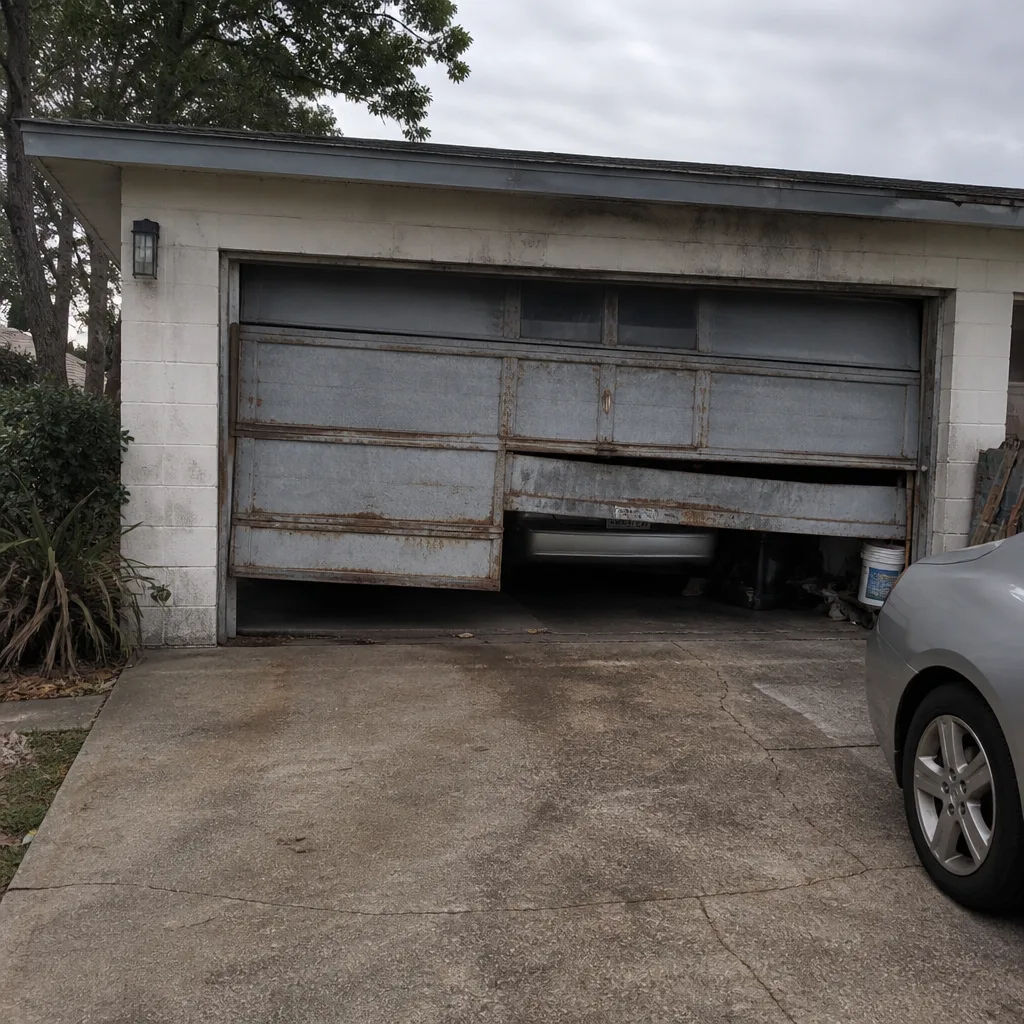 Before
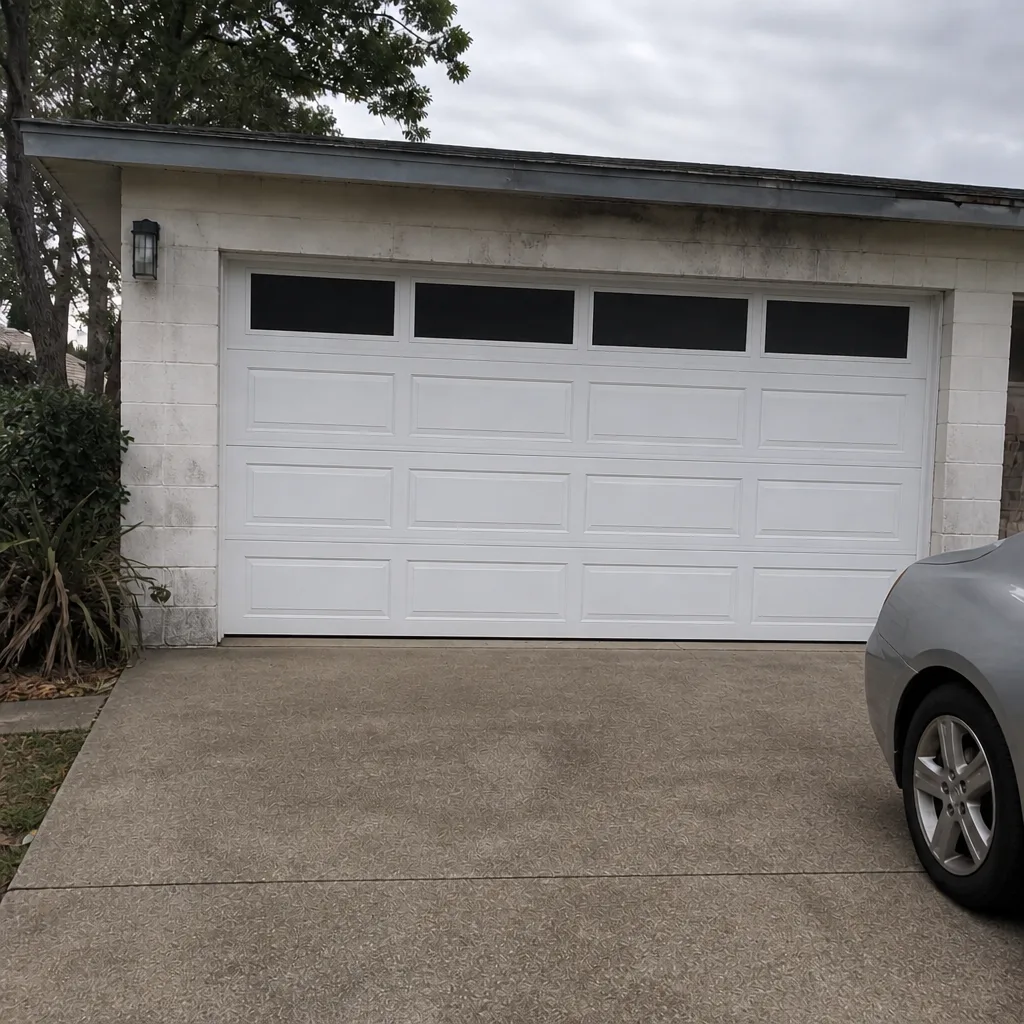 After
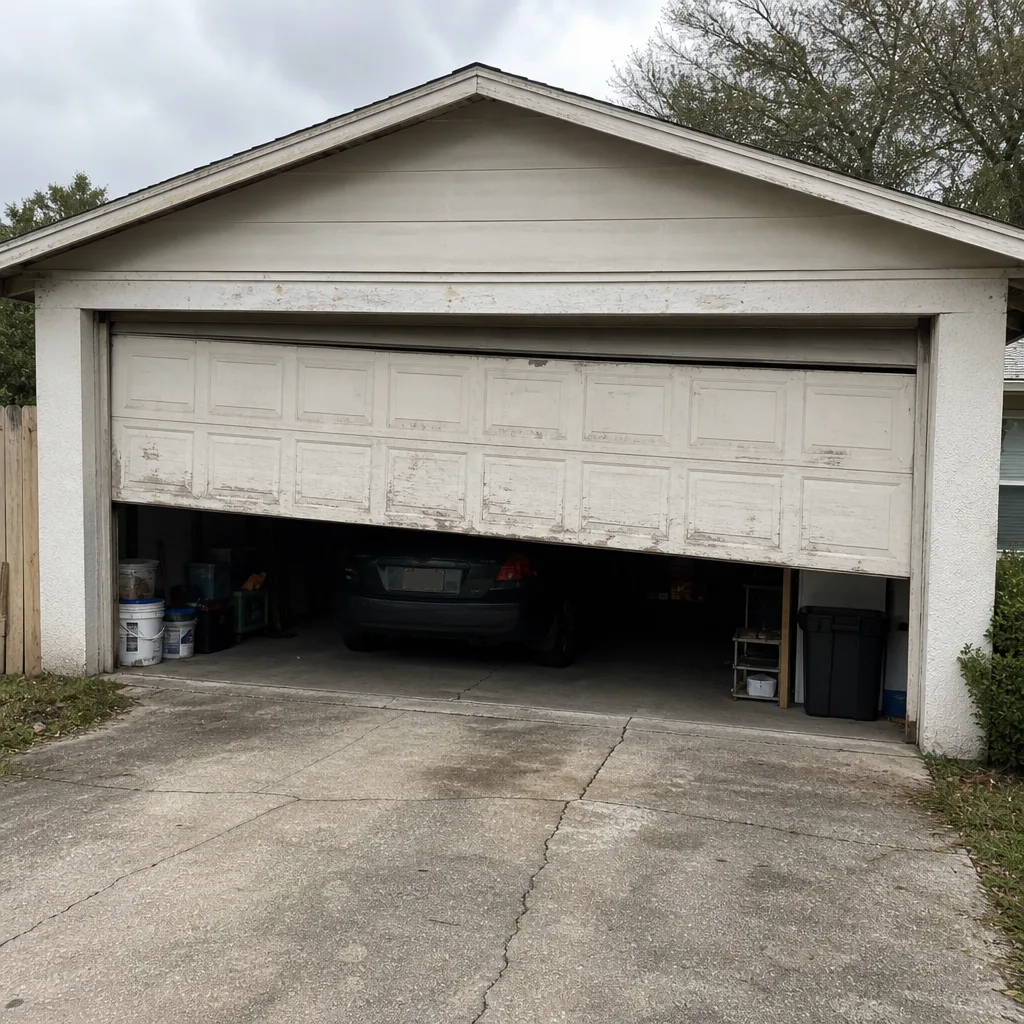 Before
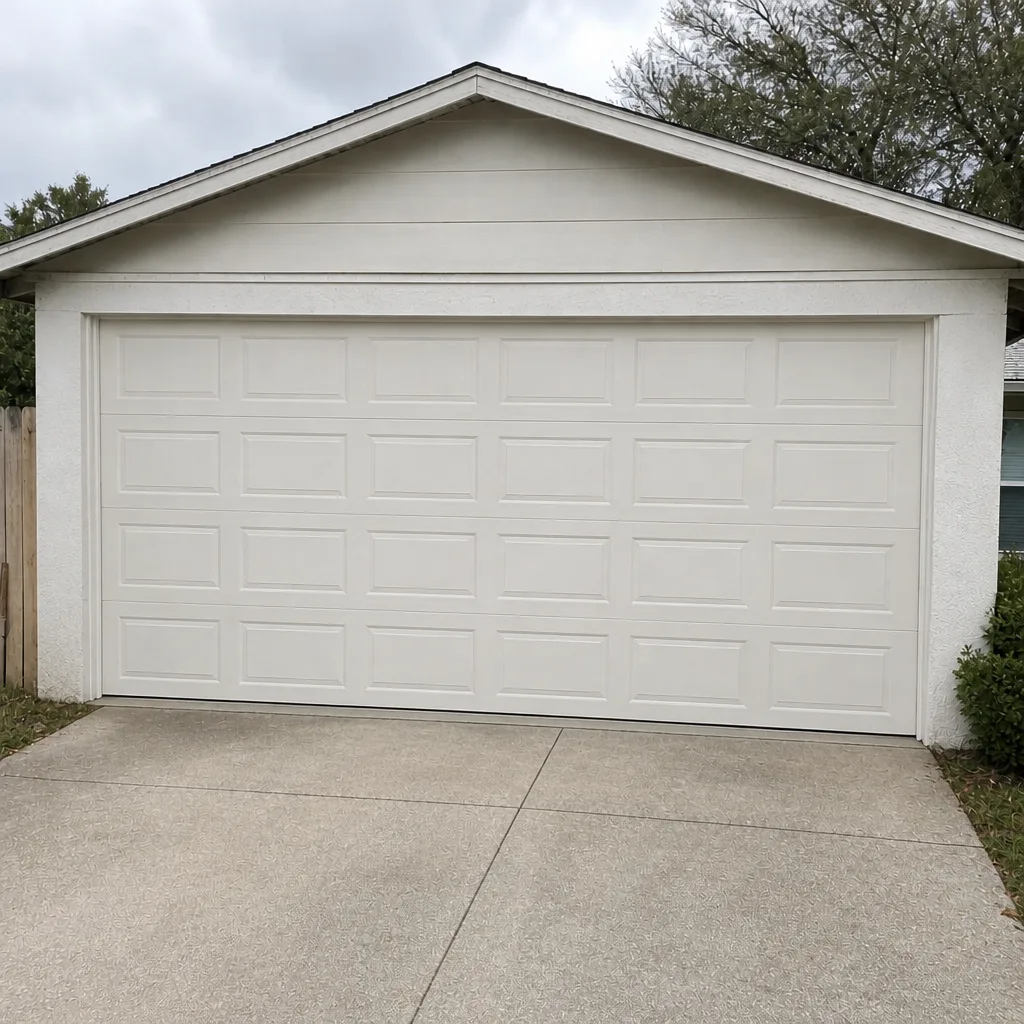 After
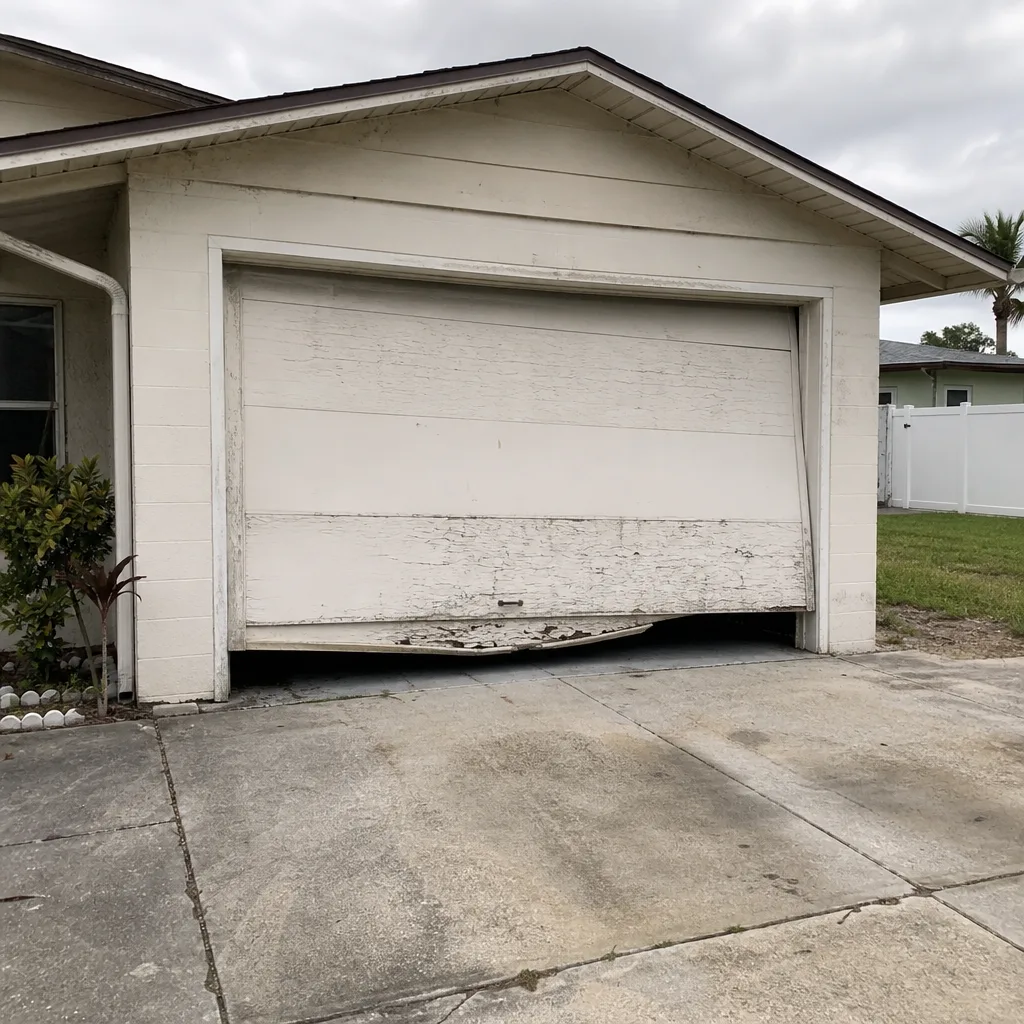 Before
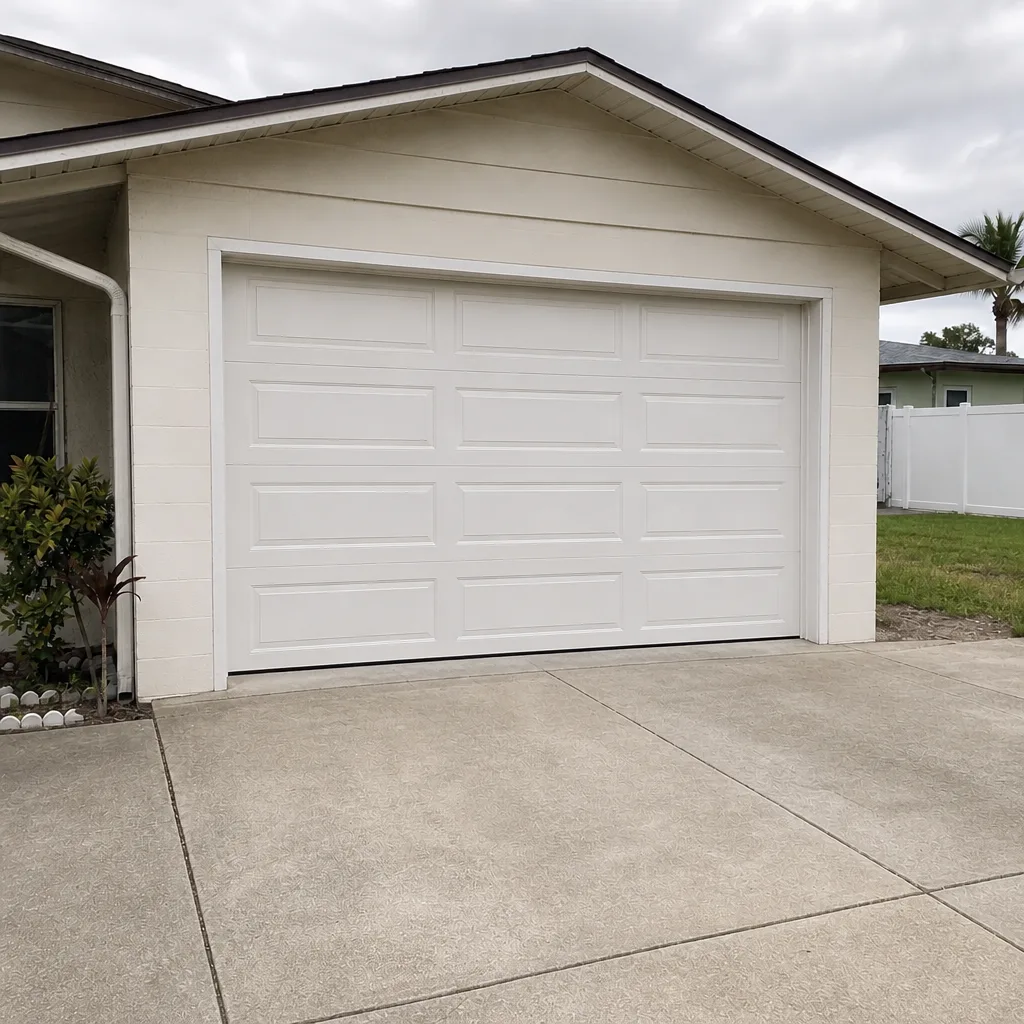 After
When to Call a Professional
Call a professional when a spring snaps, a cable frays, an opener stops responding, a door comes off its track, or you’re planning a replacement and want the permit and product approval handled correctly. Springs and cables are safety-critical, and a door that’s stuck open or won’t close leaves your home exposed. We handle the whole door, from opener electronics to high-tension spring systems to panel and door replacement, so you don’t need to line up separate contractors. If you’re weighing a new door, we’ll walk you through the approval process and put the permit in your written estimate. Garage Door Repair Pinellas Park offers free estimates in Pinellas Park. Call (833) 868-2268.
Frequently Asked Questions
Yes, replacing a garage door generally requires a building permit through Pinellas County, because the door is a wind-load component under the Florida Building Code and must carry a valid Florida Product Approval. Repair work like spring or cable replacement typically does not require a permit. Confirm your specific scope with the Pinellas County Building Department before ordering a door. Call (833) 868-2268 for a free estimate that includes the permit.
An opener replacement on an existing, already-permitted door generally does not need a building permit, since the opener isn’t the wind-load component. If the opener goes in at the same time as a new door, it falls under the door’s permit. Call (833) 868-2268 if you’re unsure which side of the line your project falls on.
Ask the seller for the door’s Florida Product Approval number, then look it up in the state’s Product Approval database and confirm it covers your required design pressure. A door without an approval number isn’t compliant for a permitted installation. We check this for every door we quote. Call (833) 868-2268 for help.
An inspector verifies that the installed door matches its Florida Product Approval, that it’s anchored with the specified fasteners and hardware, that any required reinforcement is present, and that the required labeling is intact. It’s a compliance check on the wind-load assembly, not a cosmetic review. Call (833) 868-2268 if you want your install handled to the approval detail from the start.
An unpermitted door can become an issue during an insurance claim or a property sale, when the permit history is checked. The fix is to work with the county to bring the installation into compliance, which is easier before an inspection than after. Call (833) 868-2268 and we can help you sort out what’s needed.
It should be, and we put it in the written estimate so the price you agree to is the price you pay. Always ask, in writing, who pulls the permit and whether the fee is included before you sign. Prices are estimates, and the written quote sets the final figure. Call (833) 868-2268 – estimates are free.
The Bottom Line
Garage door permits in Pinellas Park aren’t optional paperwork you can skip, and they aren’t something you can safely assume the contractor handles without asking. A door replacement is a permitted, inspected wind-load installation that needs a valid Florida Product Approval for your design pressure. Repair work is different: springs, cables, and opener fixes are service and don’t require a county permit. The small effort of confirming scope, pulling the approval, and checking the permit history protects you at claim time and sale time. If you’re planning a replacement or need a repair, call (833) 868-2268 for a free estimate.
Written by the team at Garage Door Repair Pinellas Park.